Nurturing Agriculture and Livestock: The Importance of Water Quality
- Published:
- Updated: November 21, 2024
Listen to this article
Summary
Water quality plays a crucial role in agriculture and livestock, impacting growth, productivity, and health. Maintaining high water quality is vital for sustainable agriculture and livestock production. Key points include:
- Importance in Agriculture: Poor water quality affects crop growth, quality, and livestock health.
- Importance in Livestock: Livestock need clean water for health, growth, and productivity.
- Sustainability Measures: Proper management, treatment systems, monitoring, education, and government support are essential.

Quality water is critical to both farm production and livestock production, since it directly impacts the yields and growth of crops and livestock. These critical industries are whose wellbeing depends, in many ways, on the quality of the water they consume and rely on. It’s critical to know the role of water quality in crops and livestock to create long-term solutions that support these industries and keep them successful and viable.
The Importance of Water Quality in Agriculture
It is crucial in farming because water quality affects crops growth and productivity as well as the health of livestock. Incorrect water quality can result in lower yields, products of low quality, and higher costs to the farmers. Chemikals and other contaminants in water also harm the health of crops and livestock. Conversely, clean and safe water can help them grow and produce better products and grow stronger. Water quality remains high for the sake of agricultural prosperity and safe, plentiful food.
The Importance of Water Quality in Livestock

Quality of water is essential for the wellbeing of livestock. Animals need fresh and hygienic water to drink and for cleaning and cooling, among other things. Water contaminants – chemicals and pathogens – have long-term effects on livestock health, causing lower growth and productivity, increased disease and even death. Conversely, clean and safe water can make animals healthier and happier, which means more growth and production, and quality products. Water quality is thus a necessary condition for success in the animal-farming sector and animal welfare.
How Can We Ensure the Sustainability of Water Quality in Agriculture and Livestock?
Ensuring the sustainability of water quality in agriculture and livestock requires a multi-pronged approach. From proper water management practices to the implementation of water treatment systems, there are several steps that can be taken to maintain the quality of water.
- Proper Water Management Practices: This includes practices such as water conservation, rainwater harvesting, and the use of drought-resistant crops. These practices can help reduce the amount of water used in agriculture and livestock, and thus, reduce the impact of water quality on these industries.
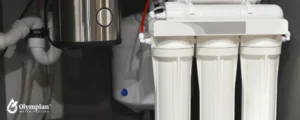
- Implementation of Water Treatment Systems: Water treatment systems such as reverse osmosis, ultraviolet disinfection, and sediment filtration can help remove impurities and improve the quality of water. These systems can be used in both agriculture and livestock industries to ensure that the water used is of high quality.
- Monitoring and Testing of Water Quality: Regular monitoring and testing of water quality can help identify any potential issues and take corrective action before they become a major problem. This includes testing for pH levels, total dissolved solids (TDS), and the presence of harmful chemicals or contaminants.
- Education and Awareness: Educating farmers and livestock owners about the importance of water quality and the steps they can take to ensure its sustainability is crucial. This includes training on proper water management practices, the use of water treatment systems, and regular monitoring and testing of water quality.
- Government Support: Government support can play a crucial role in ensuring the sustainability of water quality in agriculture and livestock. This can include providing funding for water treatment systems, supporting research and development in the field, and implementing regulations to ensure the proper use of water in these industries.
What are the Most Important Factors to Consider When it Comes to Water Quality in Agriculture and Livestock?
PH: pH level of water is very vital for agriculture and livestock. Too much or too little pH will interfere with crops and livestock growth.
TDS: TDS is the total dissolved solids (dissolved minerals, salts, etc.) : Extreme TDS results in salty soil, deficiencies, and other problems in agriculture. In livestock, too much TDS results in indigestion and poor feed quality.
Contaminants: There are various contaminants in water like heavy metals, pesticides and bacteria. These pollutants cause damage to crops and animals and lower productivity.
The Impacts of Climate Change on Water Quality
Water quality is one of the biggest effects of climate change on food production and livestock. Changes in the weather, like droughts more often, can decrease water resources and water stress on crops and livestock. It’s also possible that temperature and precipitation fluctuations can alter the chemical composition of water, causing it to contain more toxic chemicals and worsen water quality.
Farmers and herders should practice water stress-reducing and water-saving practices to reduce the effects of climate change on water quality. That can involve drought-tolerant crops, rainwater collection, and water treatment systems to remove toxic contaminants from water. The government must support such initiatives and finance R&D related to water quality and climate change as well.
The Economic Impacts of Water Quality in Agriculture and Livestock
And water quality has a major bearing on the profitability of farms and livestock enterprises. Difficult water quality means low yields, lower productivity, and a high cost of water treatment and treatment. This can mean losses for farmers and animal farmers and worse for the economy.
However, a good water quality can also make crops more productive and more yielding, so the farmers and livestock owners will get more profits. Additionally, water treatment systems and management of the water can save these industries over time in terms of long term cost reductions and economic growth. The private and public sectors need to see the commercial value of water quality and invest in programs that keep it sustainable.
Share this on social media:
Facebook
Twitter
LinkedIn

Related Posts