Nitrates in Drinking Water: Understanding the Health Risks
- Published:
- Updated: December 16, 2024
Listen to this article
Summary
Understanding Nitrates in Drinking Water: Health Risks and Solutions
- Nitrates, commonly found in soil and water, pose health risks when converted to nitrites in the body.
- Nitrites can cause methemoglobinemia, or "blue baby syndrome," particularly dangerous for infants.
- Sources include agricultural runoff, septic tanks, and industrial discharge, impacting both health and the environment.

Nitrates are natural chemicals, abundant in the environment including soil and water. They’re used extensively as a farm fertiliser and leach into drinking water supplies in runoff from agricultural fields or from septic tanks and sewage pipes. Nitrates in water can be highly dangerous to human health and are a prevalent problem in wells and public water supplies. People need to know about the risks to health of nitrates in drinking water, and they need to do what they can to protect themselves and their families.
What are Nitrates?
Nitrates are compounds of nitrogen and oxygen atoms. They are an unmanaged element in the nitrogen cycle, and they help keep the soil fertile. Nitrates are usually injected as fertiliser to nourish crops, but they also get into drinking water through septic tanks and sewerage systems.
Why are Nitrates a Concern in Drinking Water?

Nitrates in drinking water aren’t harmful, but they are potentially harmful if converted to nitrites in the body. Nitrites disrupt oxygen transport in the blood and can create a condition called methemoglobinemia, or "blue baby syndrome." This is extremely dangerous for infants and young children and, if left untreated, will damage their brains and cause death.
Not only are nitrates in tap water harmful to health, they can also be harmful to the environment. Aquatic plants and algae grow too much in the water, and this depletes oxygen and damage aquatic life.
Sources of Nitrates in Drinking Water
Nitrates in drinking water can come from a variety of sources, including:
- Agricultural runoff from farm fields
- Leaching from septic tanks and sewage systems
- Leaching from animal waste lagoons
- Industrial discharge
- Leaching from landfills
What are the Health Effects of Nitrates in Drinking Water?
The health effects of nitrates in drinking water can be serious and long-lasting. The most significant health risk posed by nitrates in drinking water is the potential for nitrites to interfere with the ability of the blood to carry oxygen. This can lead to a condition known as methemoglobinemia, or "blue baby syndrome."
Blue baby syndrome is a serious condition that can affect infants and young children and can lead to brain damage and death if left untreated. Symptoms of blue baby syndrome include a bluish tint to the skin, lips, and nail beds, shortness of breath, rapid heartbeat, and confusion.
In addition to the health risks posed by blue baby syndrome, nitrates in drinking water have also been linked to other health problems, including:
- Increased risk of certain types of cancer
- Birth defects
- Reproductive problems
- Thyroid problems
- Respiratory problems
Testing for Nitrates in Drinking Water
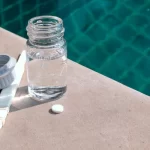
If you are worried about nitrates in your water supply, have your water tested. Detecting nitrates is easy and cheap and done at your local lab or through a home test kit.
Note that the EPA has set a 10 part per million (ppm) maximum contaminant level (MCL) for nitrates in drinking water. If your water is higher than this level, your water is contaminated and should not be drank or cooked with.
Removing Nitrates from Drinking Water
There are several methods of getting rid of nitrates from your water supply if you have tested positive for them. These options include:
Point-of-use treatment facilities like reverse osmosis or ion exchange systems.
Nitrate removal in municipal water treatments.
Drinking water (bottled water, a well, etc) or alternative sources (a deep well).
Point-of-use treatment removes nitrates from water at the point of use. Reverse osmosis systems sift out nitrates and contaminants through a semi-permeable membrane, and ion exchange systems purge them through resin beads. Neither works very well at filtering nitrates from drinking water, but both systems can be expensive and are often in need of routine servicing.
Ion exchange, reverse osmosis, denitrification are all techniques municipal water treatment plants employ to degrade nitrates in drinking water. This can work for areas with nitrate-rich water, but it’s expensive and not available everywhere.
If you can’t get clean drinking water from a source like treatment or a second source, try to limit your nitrates in drinking water. For example, it might mean not drinking high-nitrate water, drinking and cooking with bottled water, or a point-of-use treatment system.
The Connection between Nitrates and Fertilizers
The ubiquity of nitrate fertilizers in agriculture has increased nitrates in our drinking water. Nitrates easily leach into groundwater from farm fields or septic tanks and sewers. This has raised questions about the health impacts of nitrates in water, particularly in the countryside where wells provide the majority of drinking water.
For water contaminants such as nitrates, farmers could make the changes necessary to cut back the nitrates they use on their fields. It could be through alternative fertilizers, best management practices (crop rotation, cover crops) and improving fertiliser efficiency. Further, farmers can work to decrease the nitrates that enter groundwater by handling animal waste responsibly and by practicing best management of soil and water.
Nitrates and Water Quality
Nitrates in drinking water can affect the water’s overall quality, too. Nitrates in high concentrations over-grow aquatic plants and algae, leading to oxygen loss and damage to aquatic organisms. That could be harmful to the health of aquatic life and the wildlife that depends on it.
Along with the effects on the quality of the water, nitrates can also affect the taste and smell of tap water. Nutritrates that are high will not only metallic taste but they will also cause water to have an unpleasant smell. This is not only unpleasant to drink, but it is also a big pain in the neck for people who worry about drinking water.
Protecting Your Family from Nitrates in Drinking Water
In order to safeguard your family from the health hazards associated with nitrates in drinking water, you should make sure you aren’t exposed. This could mean testing your water at least monthly, installing a point-of-use system, or accessing other sources.
Moreover, you must know about the blue baby syndrome symptoms and contact a doctor right away if you believe you or a family member might have consumed too much nitrate in your drinking water. These can be taken measures to make sure you and your family have clean drinking water.
Share this on social media:
Facebook
Twitter
LinkedIn