How Water Testing Has Evolved in Rural and Remote Areas
- Published:
- Updated: January 2, 2025
Listen to this article
Summary
Access to clean water is crucial for rural communities. Technological advancements have improved water testing, with portable kits providing quick, accurate results. Innovations like low-cost testing devices and mobile labs enhance accessibility. Despite progress, challenges persist, including limited resources and funding. Government support and community involvement are vital for ensuring clean water access in rural areas.
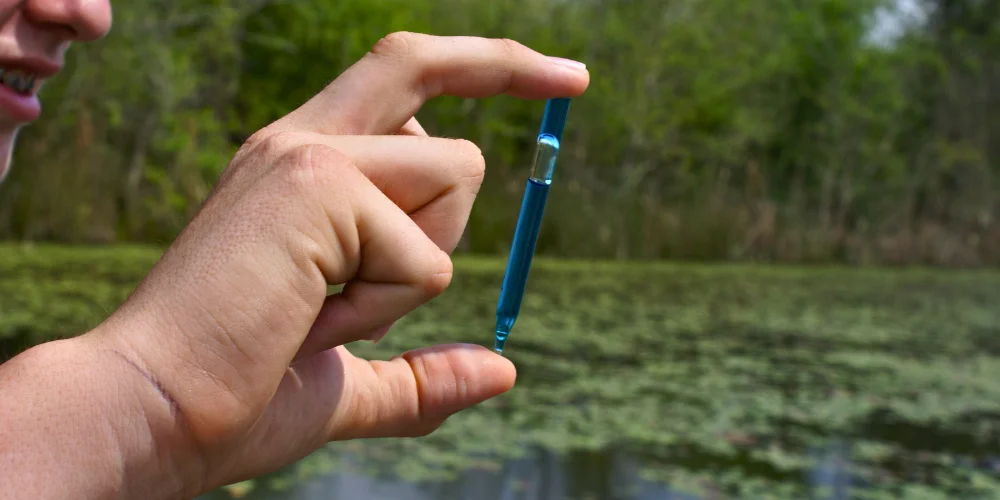
Water supply is a source of good health and wellbeing. Clean water can be difficult to get in rural and remote places due to inaccessibility and infrastructure. Water testing is a critical process to ensure water for rural and isolated areas is available and it has changed considerably over the years.
Technology's Impact on Water Testing in Rural Areas
Technology is also contributing in the process of water testing in the villages and remote areas. Water testing used to be a long and labour-intensive process with few resources and technology available. Now, water testing is much easier, faster, and cheaper due to the modern technology.
One of the biggest developments that technology has made to water testing in the countryside is portable water test kits. These kits are small, convenient, and give precise results in minutes. This has made water testing less intimidating and more convenient especially where resources and infrastructure are limited.
Water sampling in the countryside is also better made with the technology. Newer analytical methods — including spectroscopy and chromatography — now allow a more comprehensive search for contaminants with better sensitivity. This has resulted in a higher standard of drinking water in rural areas and the elimination of water-borne diseases and illnesses.
Innovations in Water Testing in Rural Areas

A few innovations have occurred in water testing in recent years that have made it more cost-effective to conduct it in the countryside and far away places. Among the greatest breakthroughs have been low-cost water testers. These machines are made to be cheap, simple and accurate.
The other significant innovation in water testing is mobile water testing labs. These water test labs have all the modern technologies and analysis equipment available, and can even be sent to faraway areas for water testing where otherwise no one was getting it. This has impacted the water testing in the countryside by making it easier and cheaper.
The digital and mobile technologies that have made the water testing in the rural regions better are a few others, too. The water testing mobile apps (to collect and analyze data in real time) and the data management systems (to store and analyze massive data set of water testing) are just some of them.
Changes in the Collection of Water Samples
Before, water sample collection was a time-consuming and labour-intensive task involving sample transportation long distances. The collection of water samples has been much more simplified and convenient nowadays.
The most radical change has been portable water sampling systems that allow water samples to be taken at the end of a line without direct access to facilities. They are small, simple to operate, and accurate to get water samples taken quickly and easily.
Digital and mobile technologies have made several improvements in the collection of water samples, too. Such as mobile water sampling apps (which are able to take water samples instantly) or cloud-based data collection and analysis systems (which can store and analyse large amounts of water testing data).
Challenges Faced by Rural Communities
There are several issues these rural communities still have, despite advances in water testing. It is one of the major hurdles that you will face: access to resources and infrastructure, water testing facilities and equipment is scarce. Often, this means rural residents don’t have access to water testing services, especially in the far reaches.
This is another issue for rural communities: funding and assistance. Because few rural communities are able to pay for water testing and treatment projects, these communities can’t afford the materials that they need to ensure that they have access to safe drinking water.
There is also a shortage of education and knowledge on water testing and access to clean and safe drinking water, especially among the rural population. Including the insufficient knowledge about what methods of water testing exist and what the pros and cons are of each.
Integration of Mobile and Digital Technologies
Mobility and digital technologies combined has been a game-changer for rural and remote water testing. This includes mobile water test and sample collection app which allows real time data collection and analysis, as well as cloud-based data management system which enables storage and analysis of massive amount of water testing data.
With the convergence of mobile and digital, it is now possible to connect to remote communities previously invisible. This has influenced the provision of water testing services in rural and outlying communities so that these communities can access safe and clean drinking water.
The Benefits of Improved Water Testing in Rural Areas
There are many advantages for these communities that can be gained from better water testing in the countryside. The biggest gain would be more access to clean and safe drinking water, for optimal health and wellbeing. Also through better water testing, the spread of water-borne disease and illnesses has been detected more rapidly and effectively to minimise risk of such disease in rural areas.
Better water testing in the countryside has had a net economic benefit as well. When a village has access to fresh, healthy water, its residents are better able to support agriculture, tourism and other water-dependent sectors.
And improved rural water testing is also doing the planet a favour. Armed with access to safe drinking water, villagers can better manage their local habitats and rivers, which means they will not be exposed to contamination, and these resources will remain with us for future generations.
The Future of Water Testing in Rural Areas
And the future of water testing in rural communities looks bright, with tech innovation on the horizon. In the future, we can expect more efficiency and accuracy of water testing and access to water testing services in places where it is difficult to reach.
Mobile and digital technology will be increasingly a part of rural water testing as it allows data to be collected and processed at a glance, as well as reach people that were otherwise impossible to reach.
Affordable water testing machine and Mobile water test laboratory NYC will continue to be an important part of making water testing in the rural area affordable and convenient for these communities.
The Importance of Government Support
Water testing in the countryside must also be better supported by government. That means funding and supporting water testing and treatment projects, and funding new water testing technology and innovations.
Government assistance is also required to teach communities how they should have access to clean and safe water, and to technical help the rural community select the correct testing method for water and implement the appropriate treatment processes.
State aid is also necessary to make sure that the rural areas are supplied with the resources and infrastructure to provide safe drinking water. This also means financing the construction of water treatment plants, water supply systems and other critical infrastructure in the countryside.
The Importance of Community Involvement
The public can help in the process as well by influencing water testing in the countryside. Educating communities about the need for safe and clean drinking water and empowering people to filter and treat their own water is also part of the solution.
Also requiring community engagement to inform people about waterborne illness and diseases and incentivise people to regularly test their water to make sure it is not contaminated with pathogens.
The local community also needs to get involved to teach people the value of water conservation and management, and to get them to actively manage their own waterways and ecosystems. Rural people can be a part of ensuring that their own families have clean, safe water for future generations through community participation.
Share this on social media:
Facebook
Twitter
LinkedIn

Related Posts