Groundwater Contaminants: Assessing the Risk of Lead and Beyond
- Published:
- Updated: January 2, 2025
Listen to this article
Summary
Groundwater serves as a crucial resource, but contamination, especially by lead and other heavy metals, poses serious health risks. Understanding the sources and risks of contamination is vital. Key points include:
- Lead, once prevalent in various products, contaminates groundwater through soil leaching.
- Risk factors include location with historical lead use, aging plumbing systems, water chemistry, and reliance on well water.
- Other heavy metals like cadmium, arsenic, and mercury also threaten groundwater, necessitating regular monitoring and preventive measures.
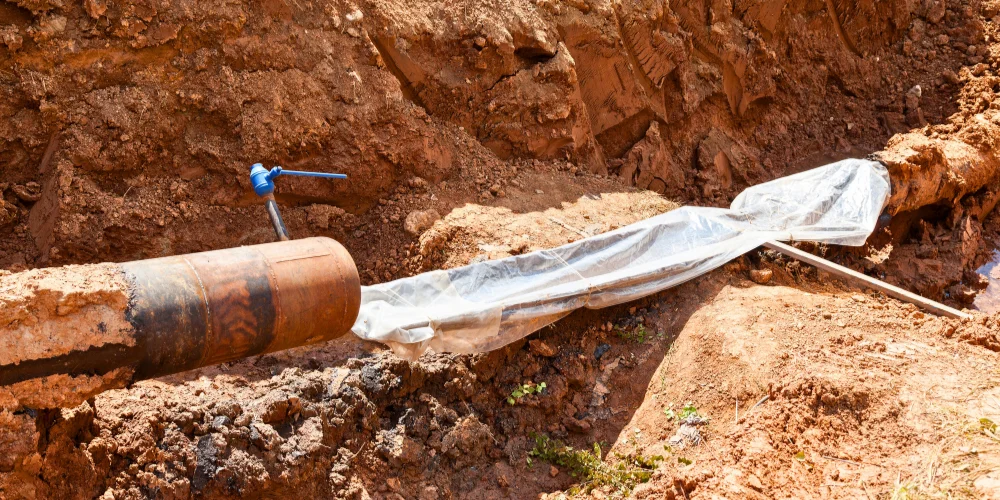
Many societies are dependent on groundwater as drinking, irrigation, and industrial water. Sadly, groundwater too can be infected by contaminants such as lead and other heavy metals that are very dangerous to public health and the environment. Estimating the impacts of groundwater contamination is crucial for defending public health and supplying clean drinking water.
What is Lead and How Does it Contaminate Groundwater?
Lead is a metal, once ubiquitous in paint, gasoline, plumbing and more. Even after the ban in most countries, lead is a persistent polluter due to its former mass use. Leaching of lead into soil and groundwater can disperse into soil and groundwater when lead products dissolve or decay, which in turn pollutes those resources.
The health impact of lead can be detrimental – particularly for children and pregnant women. Children who do become lead exposed can develop delayed development, learning disorders and behavioral issues. In women on their way to becoming pregnant, lead damages the developing foetus and may cause birth defects and other health complications.
Assessing the Risk of Lead Contamination in Groundwater

Assessing the risk of lead contamination in groundwater is an important step in protecting public health and the environment. The following are some of the key factors to consider when assessing the risk of lead contamination:
- Location: Lead contamination is more likely to occur in areas with a history of lead-based products and industrial activities. This is because lead-based products that were used in the past may still be present in the environment and can leach into groundwater.
- Age of Plumbing Systems: Older plumbing systems are more likely to contain lead components, increasing the risk of contamination. Lead was commonly used in plumbing fixtures prior to the 1980s, and homes with older plumbing systems may still have lead pipes and fittings that can leach lead into the water.
- Water Chemistry: The pH and mineral content of groundwater can affect the solubility of lead and its ability to leach into the water. Water with a low pH or high mineral content can increase the solubility of lead and make it more likely to leach into the water.
- Source of Water: Groundwater from wells is more susceptible to contamination than water from public water systems, as it is not treated or monitored as regularly. This means that individuals who rely on well water for their drinking water may be at a higher risk of lead contamination.
It is important to note that even low levels of lead in drinking water can have serious health effects, especially for sensitive populations such as children and pregnant women.
Other Heavy Metals: A Growing Concern
Lead is not the only heavy metal contaminating groundwater. Other heavy metals, such as cadmium, arsenic, and mercury, can also leach into groundwater from various sources, including industrial activities and agricultural runoff. These heavy metals can have serious health effects, including cancer, neurological damage, and reproductive problems.
Like lead, these heavy metals can persist in the environment for many years and can be difficult to remove from water once they have contaminated it. It is important to regularly monitor for these contaminants and take steps to prevent contamination from occurring in the first place. This can include regulating industrial activities and encouraging sustainable agriculture practices.
What Can Be Done to Prevent Groundwater Contamination?
Preventing groundwater contamination is an important step in protecting public health and the environment. The following are some of the key steps that can be taken to prevent contamination:
- Regulating industrial activities: Governments can regulate industrial activities to prevent contamination from occurring in the first place. This can include requirements for proper waste disposal, monitoring of groundwater, and strict penalties for companies that violate environmental regulations. By regulating industrial activities, governments can help to prevent heavy metals and other contaminants from leaching into groundwater and contaminating this vital resource.
- Encouraging sustainable agriculture: Agricultural activities can also contribute to groundwater contamination. Encouraging sustainable agricultural practices, such as reducing pesticide and fertilizer use, can help to prevent contamination from occurring. By using sustainable farming methods, farmers can help to protect groundwater and ensure that it remains a safe and reliable source of drinking water for generations to come.
- Upgrading aging infrastructure: Replacing aging infrastructure, such as plumbing systems, can help to reduce the risk of lead and other heavy metal contamination in groundwater. Upgrading older plumbing systems can help to reduce the amount of lead and other heavy metals that leach into the water, protecting public health and the environment.
- Monitoring groundwater: Regular monitoring of groundwater can help to detect contamination early and prevent it from spreading. By regularly monitoring groundwater, communities and governments can ensure that this vital resource remains safe and free from contaminants.
It is important for communities, governments, and businesses to work together to prevent groundwater contamination and protect this vital resource for future generations. By taking these steps, we can help to ensure that groundwater remains a safe and reliable source of drinking water for billions of people around the world.
What Can You Do to Protect Your Family from Lead and Heavy Metal Contamination?
If you’re a consumer, you have a responsibility to make sure you and your family don’t have lead and heavy metals in your water. One of the first things you can do is test your water for lead and other heavy metals, either by buying a water test kit at your local home improvement store or by having it tested by a professional lab. That’ll let you know if contamination is likely, and what to do.
Water filtration systems can clean your water and get you back to the quality of your family’s drinking water if your water is testing positive for lead or other heavy metals. Even when you’re drinking, cooking and preparing baby formula, keep it cold, as hot water is likely to have lead in it. This can cut your family’s exposure to lead and other heavy metals in your drinking water.
Moreover, if you have older lead plumbing fittings in your home, replace them with the latest lead-free fixtures so that even more lead is eliminated from your water supply and lead will no longer harm your family. In doing these things you can protect your family from lead and heavy metal contamination of your water.
Share this on social media:
Facebook
Twitter
LinkedIn

Related Posts