From Quality to Security: The Role of Water Analysis in Food Safety
- Published:
- Updated: January 11, 2025
Listen to this article
Summary
Water analysis is crucial for food safety, as water contamination poses health risks. Methods include microbiological, chemical, and physical analyses. The source of water, whether municipal or alternative, impacts safety. Benefits include early contaminant detection, improved food quality, and compliance with regulations. Good Agricultural Practices emphasize water management. Advancements like rapid testing and AI promise more efficient analysis in the future.
Food safety is an important topic for health and welfare of people. Water is one of the biggest sources of food contamination. Water is the ingredient we need for food, and can also be a pathogen and chemical carrier. That’s why water analysis is so important for food safety.
The Importance of Water Quality in Food Safety
Food safety depends on good water. There are health hazards and diseases from contaminated water and even contaminated food. Bad water can make foods taste, look, and taste worse, and that translates into consumer complaints and sales decline. For instance, when water used in food production contains too much chlorine, the food product tastes sour. Conversely, if water is rich in iron, food can turn red and spoil.
Food water has to have certain quality requirements so as not to compromise human health. We need to monitor the quality of the water we use to make food at regular intervals so that it will be suitable for human consumption. And that’s where water analysis comes in. Water analysis reveals contaminants or impurities in the water so food manufacturers can remedy any problems and keep the water suitable for human consumption.
Water Analysis Methods Used in the Food Industry

There are several water analysis methods used in the food industry to ensure the quality and safety of water used in food production. Some of the most commonly used methods include:
- Microbiological analysis: This method involves testing water samples for the presence of harmful microorganisms such as bacteria, viruses, and parasites. Microbiological analysis is essential in ensuring that water used in food production does not contain harmful pathogens that could cause illness in humans. This type of analysis is typically performed using techniques such as culture methods, PCR-based methods, and immunoassays.
- Chemical analysis: Chemical analysis is used to test water samples for the presence of harmful chemicals such as pesticides, heavy metals, and other contaminants. Chemical analysis is essential in ensuring that water used in food production is free from harmful chemicals that could impact human health. Chemical analysis is typically performed using techniques such as spectrophotometry, chromatography, and mass spectrometry.
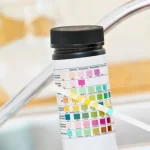
- Physical analysis: Physical analysis is used to test water samples for factors such as pH, temperature, and turbidity. Physical analysis helps to ensure that water used in food production has the correct pH and temperature, which can impact the quality and safety of food products. Physical analysis is typically performed using techniques such as pH meters, thermometers, and turbidity meters.
The Importance of Water Source in Food Safety
The source of water used in food production is another important factor that affects water quality and, in turn, food safety. Water sources can be classified into two categories: municipal water and alternative water sources. Municipal water is supplied by public water systems and is treated to meet certain quality standards. Alternative water sources, on the other hand, include sources such as wells, lakes, and rivers, which may not be treated or regulated.
Food producers must carefully consider the source of water used in food production and ensure that it meets the required quality standards. In some cases, food producers may need to treat water from alternative sources to ensure that it is safe for human consumption. This may involve adding chemicals to adjust the pH or removing impurities through filtration or other methods.
What are the Benefits of Water Analysis in Food Safety?
Water analysis plays a crucial role in ensuring the quality and safety of water used in food production. Some of the benefits of water analysis in food safety include:
- Early detection of contaminants: Water analysis allows for the early detection of harmful contaminants in water used in food production. This enables food producers to take action to prevent contamination and ensure that food products remain safe for human consumption. Early detection is crucial in preventing the spread of food-borne illnesses and protecting the health of consumers.
- Improved food quality: Water analysis helps to ensure that water used in food production has the correct pH and temperature, which can impact the quality and safety of food products. Improved water quality can lead to improved food quality, reducing consumer complaints and increasing sales. For example, if water used in food production has the correct pH, it can help to maintain the color, texture, and flavor of the food product, leading to a better consumer experience.
- Compliance with food safety regulations: Water analysis is essential in ensuring that food producers comply with food safety regulations. This helps to prevent food-borne illnesses and protects the health of consumers. Regular water analysis also helps food producers to demonstrate their commitment to food safety, which can be beneficial for their reputation and business.
The Role of Good Agricultural Practices (GAPs) in Food Safety
Good Agricultural Practices (GAPs) are one of the most important ingredients for food safety. GAPs are principles for best practice practices of food growing, harvesting and processing. These policies also ensure that food is not contaminated and that it is safe for humans to eat.
Water is a central GAP element. – such as sourcing clean water for food production, water storage, and waste water treatment. Food producers need to follow these rules to make sure that the water that is used in food processing is good quality and does not harm humans.
The Future of Water Analysis in Food Safety
The food supply chain is always changing and with the rise of technology comes better and better water testing. So for instance, with the rise of rapid testing (rapid microbiological tests), water analysis is becoming faster and cheaper.
But the future looks promising with even more powerful approaches to water analysis such as artificial intelligence and machine learning. Such technologies could make water analysis in the food sector faster, more accurate and less expensive.
As food consumption becomes more sophisticated, food producers need to continue their focus on water analysis and investing in the most advanced technologies and methods for water used for food production to ensure that it remains safe and clean. This will save people’s lives and maintain food safety for decades to come.
Integrating Water Analysis into Comprehensive Food Safety Programs
For full food safety, water analysis must be integrated into larger food safety programmes. This coordination involves monitoring, recording and corrective action as water test results dictate. Food safety can be drastically improved with a robust Hazard Analysis and Critical Control Points (HACCP) plan with water quality as a critical control point. Regular employee training on water quality and the proper sampling and testing techniques can also help ensure these programs work.
Conclusion: Ensuring Food Safety through Rigorous Water Analysis
Final words: water analysis is an integral part of food safety, to ensure that water used for food production is free from harmful contaminants. With the help of microbiological, chemical, and physical testing, risks can be caught earlier, leading to better quality food and safer handling. Inputs of water and GAPs support safe food production too. With the rapid testing and AI technology improving, water analysis efficiency and accuracy will get better as we move ahead to give our consumers even greater assurance of food safety. Food manufacturers can ensure that consumer health is safeguarded and food quality is at the highest levels by taking care of water quality.
Share this on social media:
Facebook
Twitter
LinkedIn

Related Posts