Exploring Techniques for Identifying Water Impurities
- Published:
- Updated: December 30, 2024
Listen to this article
Summary
Water impurities, harmful to health and the environment, require identification through techniques like chemical analysis, microbiological testing, and physical inspections. Regular testing is essential to protect health, preserve the environment, and maintain water quality. Responsibility for testing varies but seeking professional help ensures accuracy. Different contaminants include physical, chemical, and biological impurities, each demanding specific elimination methods. Contaminants can cause various health issues, so prompt action is vital if water is found contaminated. Governments play a crucial role in ensuring safe drinking water through standards, funding, and public education.

Impurities in water can harm both human and natural resources, which makes it important to spot and remove them. The methods for water contamination range from chemical, microbiological and physical tests. Learn about these practices and incorporate them into water testing and management methods to ensure clean, safe water and the integrity of our public health and environment.
What are water impurities and why are they a concern?
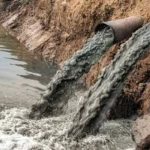
Water impurities: These are any chemicals in water that are a risk to the environment or human health. These contaminants can be bacteria, viruses, chemicals and other contaminants. They may find their way into the water table from industrial effluent, agricultural effluent and sewerage.
Water contamination is harmful to health – gastrointestinal illness, rashes and more. They can also be unhealthy for the planet, causing fish kills and destruction of ecosystems.
Techniques for Identifying Water Impurities

There are several techniques for identifying water impurities, including:
- Physical testing: Physical testing involves examining water for physical characteristics, such as color, odor, and turbidity. This type of testing can help to identify the presence of impurities, such as sediment or algae.
- Chemical testing: Chemical testing involves analyzing water for the presence of chemicals, such as lead, chlorine, and other contaminants. This type of testing can help to identify the presence of toxic substances in water.
- Biological testing: Biological testing involves analyzing water for the presence of bacteria, viruses, and other microorganisms. This type of testing can help to identify the presence of waterborne diseases and other health hazards.
The Importance of Regular Water Testing
Regular water testing is important for several reasons, including:
- Protecting human health: Regular water testing helps to protect human health by identifying and eliminating impurities that can cause serious health problems. By doing so, we can reduce the risk of waterborne diseases and other illnesses.
- Protecting the environment: Regular water testing helps to protect the environment by identifying and eliminating impurities that can harm aquatic life and damage ecosystems. By doing so, we can preserve our natural resources for future generations.
- Maintaining water quality: Regular water testing helps to maintain water quality by ensuring that water meets minimum standards for safety and purity. This, in turn, helps to ensure that we have access to clean and safe water for drinking, cooking, and other uses.
Who is Responsible for Water Testing?
The responsibility for water testing varies depending on the source of the water and the location. In some cases, local or state governments may be responsible for water testing, while in other cases, it may be the responsibility of individual homeowners or businesses.
Regardless of who is responsible for water testing, it is important to make sure that water is tested regularly to ensure that it is safe for human consumption and the environment.
Do You Need Professional Help for Water Testing?
While it is possible to do some types of water testing yourself, it is often best to seek the help of a professional. Professional water testers have the knowledge and expertise to accurately identify impurities and recommend the best course of action for eliminating them.
Professional water testing can also help to ensure that water meets minimum standards for safety and purity, as well as provide peace of mind that your water is safe for human consumption and the environment.
Understanding the Different Types of Water Contaminants
There are many different types of water contaminants, including physical, chemical, and biological impurities. Physical contaminants can include sediment, algae, and other substances that can affect the appearance and odor of water. Chemical contaminants can include toxic substances, such as lead, chlorine, and other chemicals, while biological contaminants can include bacteria, viruses, and other microorganisms.
It is important to understand the different types of water contaminants, as each type requires a different approach for elimination. For example, physical contaminants can often be removed through filtration, while chemical contaminants may require chemical treatment. Biological contaminants may require disinfection through ultraviolet light treatment or chemical treatment.
The Impact of Water Contaminants on Our Health
Water contaminants can have a significant impact on our health, as they can cause a range of illnesses and health problems. For example, exposure to lead can cause developmental and behavioral problems, while exposure to bacteria and viruses can cause gastrointestinal illness and other illnesses.
It is important to minimize our exposure to water contaminants, as they can have a lasting impact on our health. Regular water testing and purification can help to reduce our exposure to water contaminants and protect our health.
Steps to take if Your Water is Contaminated
If your water is contaminated, there are several steps you can take to ensure that it is safe for human consumption and the environment. These steps may include:
- Contacting a professional: If you suspect that your water is contaminated, it is important to contact a professional for help. A professional can test your water and recommend the best course of action for eliminating impurities.
- Installing a water purification system: Installing a water purification system, such as a reverse osmosis system or a UV light treatment system, can help to eliminate impurities from your water.
- Making changes to your water use habits: Making changes to your water use habits, such as using bottled water for cooking and drinking, can help to reduce your exposure to contaminated water.
By taking these steps, you can ensure that your water is safe for human consumption and the environment.
The Role of Government in Ensuring Safe Drinking Water
We can have clean drinking water because of the government. It could be setting and monitoring water quality standards, funding water treatment and purification, and educating citizens about how important it is to have safe water.
Also, it could be the state that monitors and tests water supplies for minimum levels of safety and purity. And so government could safeguard public health and the environment.
Share this on social media:
Facebook
Twitter
LinkedIn

Related Posts