Dipping into World of Drinking Water
- Published:
- Updated: November 14, 2024
Listen to this article
Summary
Drinking water is essential for hydration and overall health. Understanding the various types of drinking water, such as tap, spring, purified, and distilled water, helps make informed choices. Each type has unique characteristics and benefits, with considerations for taste, safety, and environmental impact.
Tap water is cost-effective but may contain contaminants; filtration systems can improve its taste and safety.

We need water all the time because it is very important for us to hydrate our bodies and stay healthy. There are so many to choose from: ranging from tap water to bottled water, you want to know what kinds of water are best for your body.
Types of Drinking Water
We are presented with several kinds of drinking water which comes with their own benefits. There are a number of water options which are very common in most areas like tap water, spring water, mineral water, distilled water. Now let’s consider each of these types of water a little more closely:
Tap Water

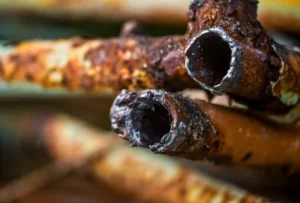
Tap water is water directly coming from public water system. This is water that has chemicals like chlorine and fluoride that kill bacteria and give a good taste. The water that comes from your tap, though generally untoxic and the least expensive to purchase, is often full of contaminants like lead and pesticides. In some regions, even tap water can have a high mineral content, making it taste bad. Check local water quality reports to make sure that your tap water is OK to drink.
You can do a few things to make your tap water better tasting and safe. You can get a water filter, that will filter out the contaminants and impurities from your water. You could also use a water pitcher with a built-in filter which is a more affordable and easy option than a full-blown filtration system. You could also buy a home water test kit, and you can test your tap water for lead, pesticides, and bacteria.
Spring Water
Water that is spring water is water which is distilled from a spring. That’s the sort of water that is purified and packaged and sold as a luxury item. Spring water has minerals and is said to be mineral-rich and refreshing. Also spring water may be contaminated, so always verify where and how the water comes from before consuming.
For spring water that is pure and drinkable, opt for a brand that is registered with a third-party certification authority. Some popular accreditations are National Sanitation Foundation (NSF) and International Bottled Water Association (IBWA). These labels ensure that the water has been tested and passes strict quality-and-safety standards.
And, of course, the container your spring water comes in. Plastic bottles are handy and easy to transport but they leach toxic chemicals into the water over time. To ensure you don’t get sucked into these chemicals, search for spring water that is sold in glass or stainless steel bottles. Think about buying a reusable water bottle so you can avoid exposure to chemical as well as waste and the environment.
Purified Water
Clear water is water that has been cleaned of the chemicals and minerals present in it. This is a popular medical water and it is pure and can be drank. Pure water comes in bottles and is more expensive than the tap or spring water.
Reverse osmosis, activated carbon filtration, and ultraviolet (UV) light are a few different ways to cleanse water. What method will be the best will be dependent on the type of contaminants in the water. The Reverse Osmosis works with lead and pesticides, the Activated Carbon Filtration with chlorine and VOCs.
If you’re going to opt for purified water, consider where the water comes from and how it’s processed. Make sure that it is a brand that has multiple cleansing technologies, and it is vetted and approved by a third-party. Think about getting a home water filter so you can purify your tap water and not need plastic bottled water as much.
Distilled Water
Distilled water is water that’s been disinfected by heating it up and storing the steam. It is water that is thought to be clean and polluted but can be mineral-poor. You can use distilled water for car batteries and steam irons, but you can also drink it.
Dilution, although a given, means that water has not been tainted, and the source of water or how it was distilled should not be taken for granted. Seek out companies that distill in a clean way, and are certified and tested by a third-party. Try adding minerals to your distilled water intake so that your body is receiving the nutrients and minerals it needs.
Health Benefits of Drinking Water
Taking water is not only hydrating but it helps with digestion and energy levels. Some of the main health benefits of water are listed below:
Hydration
You have to drink water in order to stay hydrated. Our body is not in its natural state when we are dehydrated, and we feel tired, have headaches and skin becomes dry. The more we drink water the less we become dehydrated and the better our body works.
You have to listen to your body and eat when you’re thirsty. If your urine is black or white, you can also use it to know if you’re hydrating properly. Your urine is pale yellow or clear; you are probably consuming enough water. : If your urine is dark yellow or amber, then you’ll want to drink more water.
Improved Digestion
You also can drink water to lubricate your digestion by flushing out waste and toxins. We can’t break down food when we are dry, so we end up with constipation and bloating. It’s better to drink water all the time to avoid these symptoms and keep our digestion in good shape.
Also, don’t forget to eat plenty of fibre and whole foods. They will ensure your digestion stays in check and your bowel movements remain normal. Add probiotics to your diet and you’ll be building up healthy bacteria in your gut.
Boost in Energy Levels
The water we drink also gives us an energy boost because it is hydrating to our bodies. We are weak and lazy when we are dehydrated. By drinking water often, we can avoid this and remain awake and active.
We can even focus better if we drink water. Become dizzy, and our brains become distracted. We can keep our brains at their peak and be more able to focus and think better by regularly drinking water.
Recommended Daily Intake
You can get a recommendation for water based on age, gender, activity and other factors, but the rule of thumb is to drink 8 glasses of water a day, or 2 liters (64 ounces).
But remember that this is a very general guideline and people’s needs might be different. : you might have to drink more water if you are active or you are living in a hotter environment and you lose more fluid. You’ll have to drink more water when you’re pregnant or nursing, because your body is going to be making more fluid demands on you.
So if you want to make sure you’re drinking water, keep a water bottle with you all day and try to finish it by the end of the day. Then there are apps and wearable technology that let you know how much water you’re drinking and reach your daily quota.
Contaminants in Drinking Water
In water we consume there are chemicals, minerals, bacteria, etc. Lead, pesticides, chlorine and bacteria like E coli and salmonella are some of the most common contaminants found in drinking water.
The majority of our tap water is chemically treated to kill bacteria and give it a nice taste, but contaminants can still enter the system. Check your local water quality reports for contaminants to ensure you’re drinking clean water and consider getting a water filter installed.
There are many types of water filtration systems such as activated carbon filters, reverse osmosis, and ultraviolet (UV) lights. Which filtration system works best for you will be based on the kind of contaminants in your water. Activated carbon filters are good at chlorine and VOCs; reverse osmosis systems remove lead and pesticides.
The Role of pH in Drinking Water
The pH of tap water means acidity or alkalinity. The pH is 7 for neutral; pH of less than 7 is acid and pH of more than 7 is alkaline.
The pH of water is also critical since it affects how the water tastes and is safe. High pH water is bitter and can also be contaminated with dangerous minerals like copper and lead. Poor-pH water tastes acrid and can be polluted with pesticides and bacteria.
So you want to make sure your water is the right pH and make sure to test it regularly, if you need to get a water filtration system. There are water filters, like reverse osmosis filters, which can also help change your water pH level so it’s safe and pleasant to drink.
The Impact of Plastic Water Bottles on the Environment
Plastic bottles are convenient, and they can be carried anywhere, but they are also a bad idea in terms of the environment. Plastic bottles are petroleum-based, and unrenewable, which could be hundreds of years before they were decomposed in landfills. Even plastic water bottles leach harmful chemicals into the water over time, particularly if they get too hot or out in the sun.
If you’re looking to keep your plastic footprint as low as possible, buy a reusable water bottle made of a sustainable material like glass or stainless steel. You can even save on waste by avoiding bottled water by using tap water or a filtration system. Choose brands with sustainable packaging and recycling schemes so that you’re less damaging to the planet.
The most important aspect of our lives is water, so make sure you know what types of water we drink, why they are good for us, and how they affect our health and the environment. And by being wise about what and how we drink water, we can make sure that we’re getting all the hydration and health benefits possible without adding to the footprint.
Share this on social media:
Facebook
Twitter
LinkedIn

Related Posts