Defending Your Family Against Microbial Contaminants in Drinking Water
- Published:
- Updated: December 16, 2024
Listen to this article
Summary
Protecting your family from microbial contaminants in drinking water is crucial for their health and well-being. Contaminants like bacteria, viruses, and parasites can cause serious illnesses, making it essential to take preventive measures:
Use a water treatment system: Install a reverse osmosis system or UV water sterilizer to effectively remove contaminants from your drinking water.
Boil water: Boiling water for at least one minute can kill many types of microorganisms, making it safe to drink.
Chlorinate water: Chlorination is a common method to disinfect drinking water, effectively killing many types of microorganisms.

It is fundamental to good health to have access to safe and clean water, yet in many parts of the world this water is infected with bacteria and viruses. They can lead to serious illnesses, such as gastroenteritis, cholera and other diseases of water. These chemicals can be more dangerous to ingest if you live in regions where water isn’t treated properly and there aren’t good sanitation, but even in developed countries water can sometimes carry pathogens.
Microbial Contaminants in Drinking Water
Intakes of microbial organisms in drinking water are often derived from human and animal sewage, surface drainage and sewage discharges. : The most abundant types of microorganisms in drinking water are bacteria, viruses and parasites. These contaminants have the potential to cause gastrointestinal diseases, skin infections, respiratory illnesses, etc.
Including bacteria like Escherichia coli (E. coli), Salmonella, and Shigella, which is widespread in drinking water. Such bacteria can lead to major illness, from gastroenteritis to food poisoning and urinary tract infections.
Viruses like Norovirus, Hepatitis A, and Rotavirus are also widespread in our water. These viruses can lead to major illnesses such as gastroenteritis, liver disease and diarrhoea.
Even pathogens like Giardia lamblia and Cryptosporidium are common in water. These are parasites that can bring severe illnesses, such as gastroenteritis, malnutrition, and diarrhoea.
Steps to Protect Your Family from Microbial Contaminants in Drinking Water

There are several steps you can take to protect your family from microbial contaminants in drinking water, including:
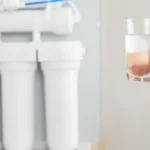
- Use a water treatment system: The most effective way to protect your family from microbial contaminants in drinking water is to use a water treatment system, such as a reverse osmosis system or a UV water sterilizer. These systems can remove a wide range of contaminants, including bacteria, viruses, and parasites, ensuring that your drinking water is safe and clean.
- Boil water: Boiling water will not get rid of lead but is an effective way to kill many types of microorganisms, including bacteria, viruses, and parasites. Boil water for at least one minute to ensure that it is safe to drink.
- Chlorinate water: Chlorination is a common method for disinfecting drinking water, and it is effective in killing many types of microorganisms, including bacteria, viruses, and parasites.
- Store water properly: Proper storage of drinking water is also important to prevent contamination. Store drinking water in a clean, covered container, and keep it away from sources of contamination, such as animal waste and chemicals.
Test your water: Regular testing of your drinking water is important to ensure that it is safe to drink. Contact your local health department or a certified water testing laboratory to have your water tested.
The Importance of Access to Clean Drinking Water
Access to clean drinking water is a basic human right and essential for good health and well-being. It is also crucial for sustainable development, as access to clean water is necessary for a range of activities, including agriculture, industry, and personal hygiene. The lack of access to clean water can lead to waterborne diseases, which can be debilitating and even life-threatening. By protecting your family from microbial contaminants in drinking water, you are ensuring that they have access to a safe and reliable source of water.
What are the Risks of Contaminated Drinking Water?
Contaminated drinking water can cause serious health problems, including gastrointestinal illnesses, skin infections, and respiratory infections. These health problems can range from mild to severe, and in some cases, exposure to contaminated drinking water can lead to long-term health problems, such as liver disease, malnutrition, and birth defects. Contaminated water can also spread waterborne diseases, such as cholera and dysentery, which can be especially dangerous for young children, pregnant women, and the elderly. By protecting your family from microbial contaminants in drinking water, you are helping to reduce the risk of exposure to these health problems.
What are the Benefits of Water Treatment Technologies?
Water Treatment Products such as Reverse Osmosis water treatment and UV water sterilisers can help shield your family from microbes present in drinking water. These technologies can kill any kind of bacteria, virus and parasites, so that your water will remain safe and free of germs. What’s more, you’re investing in these technologies and also making sure your family has access to safe water, even in areas where water is polluted. Peace of mind is another reason you should consider purchasing water treatment technologies because you will know your family is getting pure and healthy water.
The Role of Regular Water Testing
Keeping your water tested regularly is another way to help keep your family safe from microbes in the water. If you regularly test your Suffolk County NY water you will know it is safe to drink and any problems are detected so you can correct them early. This water test will also provide you with an overview on how your water treatment system is running and it will tell you if your water is losing or getting better in time. If you test your water every month, you can rest assured that your family is drinking safe, clean water.
Share this on social media:
Facebook
Twitter
LinkedIn

Related Posts