
Cooling Down: The Benefits of Water Quality Testing for Industrial Systems
- Published:
- Updated: December 16, 2024
Listen to this article
Summary
Water quality testing is vital for industrial cooling systems to maintain efficiency and prevent equipment damage. Various tests, such as pH, alkalinity, hardness, chlorine, conductivity, and microbiological tests, help ensure the correct chemical balance.
Regular testing offers benefits like increased efficiency, extended equipment life, compliance with environmental regulations, early detection of problems, and peace of mind. It plays a crucial role in preventing environmental harm, such as toxic chemical release and bacterial growth.
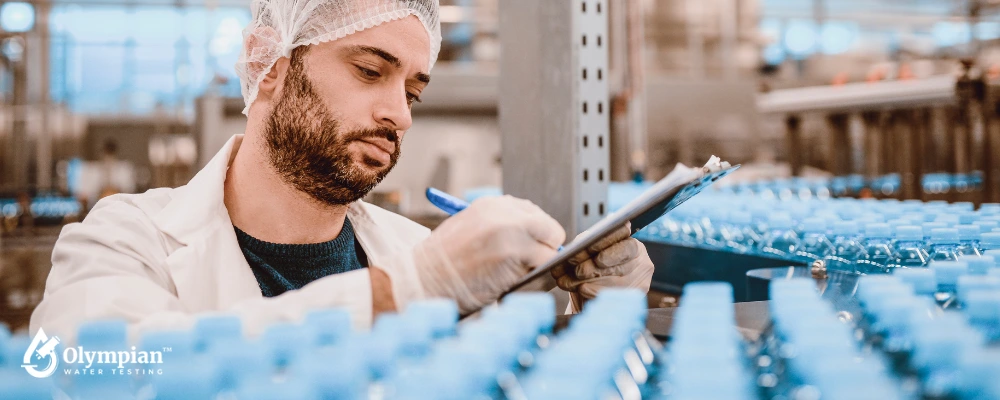
Water is the lifeblood of industrial processes, and how well water is treated can make a big difference to its efficiency and efficiency. Especially cooling systems need to be in harmony with other chemicals and minerals to function. This is why water testing is so crucial to the operation of industrial air conditioners.
Understanding the Importance of Water Quality Testing in Industrial Systems
Water quality testing NYC is an essential aspect of maintaining the health of industrial cooling systems. These systems rely on water to transfer heat away from vital components and keep the system running at optimal temperatures. Poor water quality can cause a range of problems, including corrosion, scaling, and biological growth. These issues can lead to decreased efficiency, reduced equipment lifespan, and even complete system failure.
The Science Behind Cooling Water Systems and How Water Quality Testing Helps

Cooling water systems are designed to remove heat from industrial equipment, and to do so, they must maintain a delicate balance of various chemicals and minerals. The specific composition of the water in a cooling system depends on the type of equipment being used and the environment in which it operates. For example, water in a cooling tower system may need to have a higher pH level to prevent corrosion, while water in a closed-loop system may need to have a lower mineral content to prevent scaling.
Water quality testing helps to ensure that the water in your cooling system is at the correct chemical balance for your specific equipment and environment. Regular testing allows you to detect and correct any issues with the water quality before they cause damage to your system. For example, if the water in your cooling system is too alkaline, it can cause corrosion. A water quality test will detect this issue, and you can then adjust the water chemistry to prevent further damage.
What are the Different Types of Water Quality Tests for Industrial Cooling Systems?
There are several types of water quality tests that can be performed on industrial cooling systems. Some of the most common tests include:
- pH Test: Measures the acidity or alkalinity of the water in your system.
- Total Alkalinity Test: Determines the amount of alkaline substances in the water.
- Total Hardness Test: Measures the amount of minerals, such as calcium and magnesium, in the water.
- Chlorine Test: Measures the amount of chlorine in the water, which is used to control biological growth.
- conductivity Test: Measures the ability of the water to conduct electricity, which is an indicator of the mineral content of the water.
- Microbiological Test: Checks for the presence of bacteria, fungi, and other microorganisms in the water.
These tests are designed to measure different aspects of water quality and to help you maintain the correct balance of chemicals and minerals in your cooling system.
The Benefits of Regular Water Quality Testing for Industrial Equipment
- Increased Efficiency: Regular water quality testing helps to ensure that your industrial cooling system is running at peak efficiency. If the water quality is poor, it can cause corrosion and scaling, which can reduce the efficiency of the system.
- Extended Equipment Life: Poor water quality can cause damage to industrial equipment, leading to reduced lifespan and the need for costly repairs. Regular water quality testing can help to prevent this damage by detecting and correcting any issues with the water quality before they cause harm.
- Improved Environmental Compliance: Many industrial cooling systems are subject to environmental regulations, and poor water quality can result in non-compliance and potential fines. Regular water quality testing helps to ensure that your system is in compliance with these regulations and protects the environment.
- Early Detection of Problems: Regular water quality testing allows you to detect any issues with the water quality early on, before they cause significant damage. This allows you to take corrective action quickly and prevent costly repairs or system failures.
- Peace of Mind: Regular water quality testing gives you peace of mind, knowing that your industrial cooling system is running smoothly and efficiently. It also provides a record of the water quality over time, which can be valuable in the event of a problem.
Role of Water Quality Testing in Maintaining the Efficiency and Longevity of Industrial Systems
Water quality testing is an important part of keeping industrial refrigeration systems functional and productive. Having the system tested often can help catch the problem before any damage is done to the system, keeping it working at top efficiency. If you keep your water in the right chemical range, your equipment will last longer and you won’t need to repair it.
What is the Environmental Impact of Poor Water Quality in Industrial Cooling Systems?
Inadequate water quality in industrial cooling systems can damage the environment. For instance, if your water is too alkaline, you’ll get corrosion and then potentially poisonous chemicals in the air. Water also has low quality which encourages bacteria and other microbes to grow and cause water pollution. Through periodic water quality testing, such environmental damages are avoided by spotting and fixing water quality problems.
The Cost-Benefit Analysis of Implementing a Water Quality Testing Program for Industrial Cooling Systems
A water quality testing program for industrial cooling systems might come at a hefty price tag, but it’s more than worth the money. Having regular water quality testing ensures that your system lasts longer, operates more effectively, and saves money on repairs. It also lets you know that your system complies with the environment and safeguards the environment. With repairs, replacement equipment and fines for non-compliance a distant memory when you add up the potential cost of having a water quality program in place, the expense of having a water quality testing program is not worth the sacrifice of security and a functional industrial air conditioner.
The Future of Water Quality Testing in Industrial Cooling Systems: Emerging Trends and Technologies
Water quality testing in industrial refrigeration is not only a very bright future but with a lot of exciting new technologies and trends on the horizon. For instance, you are also working on sensors and monitoring systems that can do water quality tests almost real time so you can be able to detect and correct the water quality problems virtually at all times. Additionally, new analytical techniques are being introduced to tell you much more about the water quality in your system. With these developments in technology, water quality testing is no longer difficult or difficult to access.
Share this on social media:
Facebook
Twitter
LinkedIn

Related Posts