Connection Between Water Quality and Public Safety
- Published:
- Updated: January 2, 2025
Listen to this article
Summary
Water quality is intricately linked to public safety, as contaminated water can harbor harmful substances that pose serious health risks to communities. Sources of water pollution, including industrial waste, agricultural runoff, sewage, and natural disasters, can introduce bacteria, chemicals, and toxins into water sources, jeopardizing public health.
To mitigate these risks, water treatment facilities play a crucial role in purifying water through various processes, ensuring that it meets safety standards for drinking and other household uses. Regular monitoring and testing of water quality are essential to identify and address any potential contaminants. Additionally, regulations such as the Safe Drinking Water Act set standards for contaminants in drinking water and mandate actions to reduce their levels.

Water is a basic living thing, and its quality is a significant factor in health and wellbeing. The reality is, water pollution is widespread, and can have catastrophic effects on public health and safety.
Contaminated Water and Public Health
This is because water pollution can cause illness and disease because it contains contaminants that are potentially pathogenic. Sulfurous water may be polluted with bacteria, viruses, parasites, chemical and heavy metals that have health effects from gastroenteritis, skin infections, respiratory diseases and even neurological disorders.
It can also have direct public health impacts through dumping into the food chain. Water that is polluted can be full of toxins, absorbed by plants, which can be fed to animals and eventually make it into human meals. This can lead to the exposure of people to toxic chemicals in food, which can be devastating to their health.
Common Sources of Water Pollution

There are many sources of water pollution that pose a threat to public safety, including:
Industrial Waste
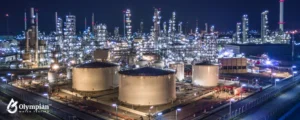
Chemicals and other contaminants are released into the water from industries – manufacturing, mining, agriculture. These pollutants can be heavy metals, toxins, and other substances that are toxic to humans. It can also be in industrial wastes that contain cancerous and aquatic toxicants with adverse effects on the environment.
There are rules and procedures for the treatment and disposal of waste in industries, but those rules don’t always work to stop water pollution. There can be industries that go against these laws and leave damaging pollutants in the atmosphere. Industrial plants need to be held responsible for their waste management if we’re to maintain public health and the environment.
Agricultural Runoff
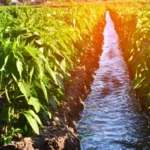
Crop runoff — the run-off from farms that ends up in rivers and lakes — can be contaminated with pesticides, fertilisers and other chemicals that can damage the environment and our health. Animal manure, likewise, can be in the agricultural runoff, with potentially infectious bacteria and parasites.
Agricultors can also make better management decisions – using other forms of pest control, maintaining chemicals in the correct containers, and runoff abatement with cover crops – to help limit the effects of agricultural runoff on water quality and public health. Residents can also support state and regional efforts to limit agricultural runoff and protect water quality.
Sewage
Untreated or poorly treated sewerage can be full of pathogens, viruses, and parasites that can make you sick and diseased. It’s also possible that sewerage is laden with chemicals and other pollutants that could impact human health.
Sewage Treatment Plants (STP) provide drinking water with clean drinking water by flushing sewage contaminants and harmful pollutants. They clean water using physical, chemical and biological processes so that it is safe to release into the environment. Bad sewage treatment can lead to sewage discharge of toxic pollutants in the environment which may be unsafe for human and environmental health.
Natural Disasters
Hurricanes, floods and earthquakes are the sources of water pollution that clog water treatment plants, poison waterways and discharge toxic chemicals. A wastewater plant could be flooded and then shut down and treated sewage discharged into the environment. Water also gets contaminated by natural disasters, either by spilling toxic chemicals into the environment or mixing with polluted floodwaters.
Water quality and public safety are often damaged and prolonged after natural disasters. Communities need emergency plans for responding to these disasters — such as having a plan to ensure that water supplies remain clean — to counteract the effects of those disasters. A water treatment plant’s need to make backup plans if something does happen is that it can’t still deliver clean drinking water after a natural disaster.
Water Treatment Facilities and Ensuring Safety
Water Treatment Plants Clean water to avoid a potential threat of harmful contaminants and pollutants. Such facilities use physical, chemical and biological techniques to sterilise water for consumption, cooking and other household uses.
The water that’s pumped out should be checked regularly and tested at water treatment plants to ensure that it’s safe and that it doesn’t contain contaminants. The facilities also need backup equipment so they can still supply clean drinking water in the case of a power failure or other emergency. These must be maintained by water treatment plants that must follow rules and regulations like the Safe Drinking Water Act that sets minimum contaminants in drinking water and requires water treatment plants to do something to minimize contaminants in water.
Water Quality Regulations and Protecting the Public
EPA water quality rules aim to shield consumers from harmful elements in water. They establish baselines for contaminants in the water supply and require water treatment plants to continually test the water to be certain it meets those baselines.
The water treatment plant has to also adhere to other rules and regulations, like the Safe Drinking Water Act that establishes standards for contaminants in water, and requires water treatment plants to implement measures to lower levels of contaminants in the water. These laws are essential for the security of drinking water and health.
Not all communities have clean water and not all communities have higher levels of contaminants in their water supply. The only way to combat these injustices and have access to safe water for everyone, is for water quality standards to be implemented and communities to be informed about the status of their drinking water.
Pesticides and Fertilizers and their Impact on Drinking Water Safety
And the pesticides and fertilisers used in farming can have a huge impact on public water quality. And pesticides and fertilisers leach into waterways either by run-off or as a sediment. These chemicals can be toxic to human health and the environment, and they can stay in the environment for years.
In order to minimise the effects of pesticides and fertilizers on water quality and health, people and communities must adopt sustainable agriculture and support local and regional efforts to limit the use of pesticides and fertilisers. People can reduce their exposure to these chemicals by eating organic food and applying alternative insecticides to their own yards and gardens.
Steps for Ensuring the Safety of Drinking Water at Home
Individuals can take steps to ensure the safety of their drinking water at home, including:
- Installing a water filtration system: A water filtration system can remove contaminants from drinking water, making it safer for consumption.
- Testing drinking water: Individuals can have their drinking water tested to determine if it contains any contaminants and to ensure that it meets safety standards.
- Being informed about water quality: Individuals can stay informed about the quality of their drinking water by reading annual water quality reports and by contacting their local water treatment facility with any questions or concerns.
- Conserving water: Conserving water can help protect water sources and reduce the need for water treatment, which can improve the quality and safety of drinking water.
Monitoring and Improving Water Quality in Communities
Protecting public health and safety requires monitoring and addressing water quality in communities. The following are just a few of the many water quality and water pollution initiatives and programs:
Monitoring programs: Monitoring programmes can be used to identify and respond to water pollution events and water quality issues.
Public education and outreach: Public education and outreach campaigns aim to educate communities on water quality and how they can help preserve it.
Science and Technology: These are the research and development projects focused on water purification, and emerging technologies for the detection and extraction of contaminants from drinking water.
AQ: Water Quality Standards: Water Quality Standards are important for drinking water safety and public health.
This link between water quality and safety is extremely important and must continue to be viewed and worked on. From water quality monitoring and drinking water safety to water pollution reduction and public health, there are plenty of things that can be done by people, communities and governments to make drinking water safe. Collectively, we can step up and make sure that everyone is safe and has access to clean drinking water.
Share this on social media:
Facebook
Twitter
LinkedIn

Related Posts