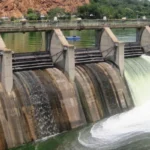
Benefits of Investing in Clean Water for Health of our Planet
- Published:
- Updated: December 16, 2024
Listen to this article
Summary
Clean water is vital for the planet’s health, supporting ecosystems, food production, and human well-being. Investing in clean water offers numerous benefits, including improved health, food security, economic conditions, and environmental sustainability. Challenges include political will, resource allocation, water management, and climate change. International cooperation and community engagement are crucial for success. Clean water is particularly beneficial for women and children, and addressing the water crisis presents both challenges and opportunities for a healthier, more sustainable future.

It is one of the most basic resources available to life on Earth. It’s needed for healthy ecosystems, for sustenance and for human wellbeing. But clean water is scarcer than ever, and the ills of this dearth are being borne across the globe.
Why is clean water so important for our planet?
Water that is pure is necessary for healthy ecosystems and for life on Earth. It’s what keeps crops growing, aquatic creatures alive and our planet’s ecology in good order. Clean water is, in addition, of prime importance for human health, since humans drink, bathe and cook with it.
Benefits of investing in clean water for our planet

There are many benefits of investing in clean water for our planet, including:
- Improved health: By providing access to clean water, people are less likely to suffer from waterborne diseases, which can have a major impact on their health.
- Increased food security: Access to clean water can help to improve food security, as it is essential for growing crops and producing food.
- Improved economic conditions: Investing in clean water can help to improve economic conditions, as it can create jobs and support local economies.
- Improved environmental conditions: Clean water is essential for maintaining healthy ecosystems and supporting life on our planet. By investing in clean water, we can help to improve environmental conditions and protect our planet for future generations.
How does access to clean water impact human health?
Access to clean water is critical for maintaining good health. Without clean water, people are at risk of waterborne diseases, such as cholera, dysentery, and typhoid fever. In addition, lack of access to clean water can also lead to malnutrition, as it makes it difficult to grow crops or produce food. Furthermore, women and children in particular are affected by the lack of access to clean water, as they are often responsible for collecting water and are therefore exposed to health risks.
The Importance of Clean Water for Agriculture
Clean water is essential for agriculture, as it is used for irrigation and is critical for the growth of crops. In many parts of the world, agriculture is the main source of livelihood for people, and access to clean water can have a major impact on their economic well-being. However, in many parts of the world, water for agriculture is often contaminated, which can lead to reduced crop yields and increased health risks. Investing in clean water for agriculture can help to improve food security, increase agricultural productivity, and support local economies.
The Role of Technology in Improving Access to Clean Water
Technology plays a critical role in improving access to clean water. From the development of water treatment systems to the use of satellite imagery to monitor water resources, technology is helping to ensure that clean water is available to people around the world. In addition, technology can also help to improve water management, by allowing for real-time monitoring of water use and ensuring that resources are allocated efficiently. By investing in technology, we can help to improve access to clean water and ensure that it is available for future generations.
Key challenges in investing in clean water for our planet
There are several key challenges that must be overcome in order to achieve the goal of investing in clean water for our planet. Some of the most important challenges include:
- Lack of political will: Despite the many benefits of investing in clean water, there is often a lack of political will to make this a priority. This is particularly true in developing countries, where other priorities, such as economic development, often take precedence.
- Limited resources: Investing in clean water requires significant resources, including money, technology, and expertise. This can be a major challenge in many parts of the world, particularly in developing countries where resources are often scarce.
- Inefficient water management: In many parts of the world, water is not managed efficiently, which can lead to waste and degradation of water resources. Improving water management is critical to ensuring that clean water is available for future generations.
- Climate change: Climate change is having a major impact on water resources, causing changes in precipitation patterns and increasing the risk of droughts and floods. Investing in clean water will require addressing the impacts of climate change and adapting to these changes.
The Connection between Clean Water and Climate Change
There is a strong connection between clean water and climate change, as changes in precipitation patterns and increased temperatures can have a major impact on water resources. In addition, climate change can also lead to increased competition for water, as demand for water grows in response to changes in weather patterns and increased population growth. Investing in clean water is therefore essential for addressing the impacts of climate change and ensuring that water resources are available for future generations.
The Role of International Cooperation in Improving Access to Clean Water
International cooperation is critical to improving access to clean water. By working together, countries can share knowledge and resources, and pool their efforts to address the global water crisis. In addition, international cooperation can also help to leverage private sector investment, and encourage the development of innovative solutions to improve access to clean water. By fostering international cooperation, we can help to ensure that clean water is available to everyone, everywhere.
What can be done to overcome these challenges?
There are several steps that can be taken to overcome the challenges of investing in clean water for our planet. These include:
- Increasing political will: To increase investment in clean water, it is necessary to raise awareness about the importance of this issue and to generate political will to make it a priority. This can be done through advocacy, education, and engagement with key decision-makers.
- Improving resource allocation: Resources must be allocated efficiently and effectively in order to invest in clean water. This requires good governance, transparency, and accountability in the allocation of resources.
- Strengthening water management: Improving water management is critical to ensuring that clean water is available for future generations. This requires investment in technology, training, and capacity building, as well as the development of effective water management policies and strategies.
- Addressing the impacts of climate change: Climate change is having a major impact on water resources, and it is essential to address this issue in order to ensure access to clean water. This can be done through investment in climate-resilient infrastructure, adaptation strategies, and the development of sustainable water management practices.
- Engaging with communities: Community engagement is critical to the success of any investment in clean water. It is important to involve communities in the planning and implementation of water projects, and to ensure that their needs and concerns are taken into account.
- Encouraging private sector investment: The private sector has a key role to play in investing in clean water. This can be done through public-private partnerships, investment in clean water technologies, and the development of sustainable business models.
The Benefits of Clean Water for Women and Children
The poor water availability usually hits women and children the hardest. Water collection is usually done by women, and that’s a long, dangerous journey in most parts of the world. What is more, children suffer from water-borne illnesses, which can seriously impact their health and wellbeing. If we can access clean water, we can make women and children better off and allow them to flourish.
The Future of Clean Water: Challenges and Opportunities
There’s a risk and a promise in the future of clean water. The world is on the one hand growing in population and water requirements are on the other. In contrast, technological developments and a shift in the understanding of the value of pure water is creating new possibilities to tackle the water crisis. By investing in clean water, we can ensure that this lifeline is preserved for the foreseeable future, and that the world is a cleaner and fairer place.
Invest in clean water for our planet and its inhabitants. Health, more food security, coping with climate change, and local economic development: all these are ways that clean water can help. Then we can overcome the barriers and take advantage of the opportunities so that every person everywhere has access to clean water and a healthier and more sustainable future.
Share this on social media:
Facebook
Twitter
LinkedIn

Related Posts