Benefits of Clean Water for Recreational Activities
- Published:
- Updated: January 16, 2025
Listen to this article
Summary
Clean water is crucial for various recreational activities, offering benefits for both individuals and the environment.
- Health Benefits: Clean water ensures safer swimming and reduces health risks like skin irritation and illness from contaminants.
- Environmental Quality: Maintaining clean water enhances the environment, preserving fish populations and making recreational areas more appealing.
- Economic Impact: Clean water supports sustainable tourism, recreation industries, and local economies, attracting visitors and fostering community well-being.

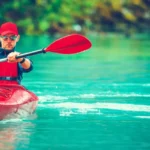
Clean water is a resource that is used in all sorts of activities from swimming, fishing, boating, and kayaking. This is all more fun when the water is clean, but it’s also a way to gain so many other benefits for the environment and the human body.
Health Benefits of Clean Water for Recreational Activities
Most widely known is the recreational advantage of clean water: our health. Water sports like swimming and fishing are great exercise and physical activities, and with clean water these are all more enjoyable. Water that is polluted can lead to symptoms ranging from itching, to rashes, and even chronic diseases such as gastroenteritis and pneumonia. We can circumvent these health risks by keeping the water we use for recreational purposes clean and still experience everything water sports can bring.
The other aspect of clean water that we can do to stay healthier is to reduce exposure to harmful chemicals and contaminants. Many contaminants are introduced into our waters by farm run-off, factory discharges and wastewater treatment facilities. When they enter a recreational watershed, they are very dangerous for humans. By having clean water, we will not be at the risk of inhaling these pollutants and can get on with doing what we love to do on water.
Improving the Quality of Recreational Activities

Water that is free of contaminants is also important for quality recreation. If water is polluted, it is less appealing for people to spend time in and around. … Polluted water can deplete fish populations, making fishing less rewarding and less accessible to recreational fishermen. As well, too much sulphur in water makes swimming, kayaking and other water activities unpleasant as they can irritate skin, rash and other symptoms.
Clean water can be maintained so that leisure is still enjoyable and good. That’s especially the case in destinations that depend heavily on tourism and recreation as a major revenue stream, since clean water can help generate tourists and the economy. Squeaky water can also make recreation spaces more attractive in the sense that it is more appealing visually and visitors more attractive as well.
Benefits for Aquatic Wildlife and Ecosystems
Efficient water is essential for aquatic life and ecosystems too. Fish, birds and other animals depend on healthy waters for their very existence, and pollution is a death sentence to them. Fish and other marine creatures can be affected by pollutants in their reproduction and growth as well as by their food sources – plants and other aquatic life. It can also impact on the whole system, since the extinction of one species can have consequences for the populations of other species that rely on it for sustenance or shelter.
Even the overall quality of aquatic ecosystems can be negatively affected by polluted water. Pollutants can alter water’s chemical composition, which can injure vulnerable species of plants and animals, and diminish biodiversity. That can damage the ecosystem for a very long time because some species can’t recover from pollution damage. Clean water means we can preserve waterways for wildlife and ecosystems that are for our kids and grandkids to enjoy.
Enhancing Outdoor Recreational Opportunities
So too is clean water essential for outdoor recreation. We all love being outdoors and water sports are also common ways of absorbing the natural world. And if water is polluted, outdoor activities are more difficult and less fun because they are harder to enjoy.
With clean water, we can be sure there’s plenty of opportunities for outdoor play, from swimming and fishing to boating and kayaking. This is crucial particularly in places where tourism and recreation is high because healthy water can draw tourists and enhance local economy. Good water can also make outdoor spaces more attractive and accessible to more people, from families with children to older adults and people with disabilities.
Supporting Sustainable Tourism and Recreation Industries
There’s another recreational use for clean water, which helps to support sustainable tourism and recreation industries. These industries have become indispensable in many societies — they create jobs and generate economic growth. Those same industries rely heavily on clear water and healthy aquacultures. Fishing and boating industries depend on clean fish stocks and clear water, and ecotourism and wildlife viewing – on clean ecosystems and clear water.
If we keep water clean and aquatic environments protected, we can ensure these industries and the communities they support will be around in the long run. That could contribute to a better future because these are the industries that can benefit future generations.
Improving Community Recreation and Wellness
Purified water can even be a tool for enhanced public recreation and health. Several towns are dotted with parks, lakes and other places where one can go and spend some time in the sun and exercise. Such places can be more attractive and accessible to a broader set of people when they have clean water: families with children, the elderly, people with disabilities.
Efficient water also has psychological and emotional benefits. In-the-wild and at the shore has been found to calm the mind and body. If societies give people clean water to go and have fun with, it makes the community a better place for people to be.
Economic Benefits of Clean Water for Recreational Activities
Water that is free from contaminants can have other economic benefits for recreation too. Fishing and boating depends on fish and clean water and can be very productive for communities. Ecotourism and wildlife safaris can have economic upsides too, as people flock to sites with healthy landscapes and clean water.
The purified water can even bring in new companies and industries to the region, where companies look for places that provide top-quality recreation and living. This can make the community a happier and more successful one as new businesses create employment and profit.
Ensuring the Long-Term Preservation of Clean Water for Recreational Use
It’s necessary to do something about this, in order to keep clean water available for recreational purposes indefinitely. This can be through pollution control, wetlands and other natural sources of filtering water, or working to recover damaged waterways. So too should we teach the public about clean water and how to save it.
In this way, we can make sure there is clean water for people to enjoy for future generations. Whether we’re fishing, boating, swimming or just getting outdoors to enjoy the natural world, fresh water is something everyone needs and brings so many advantages to ourselves and the world.
The Importance of Community Involvement in Protecting Clean Water for Recreational Activities
Local engagement is also vital to long-term water quality maintenance for recreational use. Together, individuals, institutions and local governments can do what they can to secure and conserve this precious resource.
For example, community can participate in local projects to prevent pollution and restore water quality. It could be by helping with clean-up, donating to local environmental organizations, or fighting for water-quality policies. Activating on these projects allows localities to reduce the pollution sources threatening clean water and restore damaged waterways.
Communities can also train others on the value of clean water and what can be done to safeguard it. This can be from schools and community-based organizations, to public awareness campaigns and events. In making people aware of the necessity of clean water, they can empower others to get involved, and make sure that there is clean water for people to play in for many years to come.
Community participation is one of the best weapons we have for saving clean water for recreational use. We can do something together to make sure that we don’t pollute, maintain water quality, and forget about this precious resource for generations to come. Volunteerism, activism or education are all ways communities can get involved and contribute to the cause of saving clean water.
Technological Advancements in Water Quality Monitoring
Newer technologies have made water quality monitoring both faster and easier. Remote sensing, real-time data capture with IoT appliances and high-performance water filtration systems are just some of the advancements that are enabling the preservation of safe water. Having these technologies in public spaces can lead to immediate contamination detection and removal, which improves the quality of water activities for both safety and fun.
Conclusion: Benefits of Clean Water for Recreational Activities
It is a matter of pure water for the health, pleasure, and economics of recreation. It means safer swimming, aquatic wildlife conservation, and sustainable tourism and local economies. Professional water testing plays a key role in ensuring water quality. We can help ensure that recreational waters are an investment in the future through effective monitoring, public participation, and sustainable practices to keep them as clean as possible.
Share this on social media:
Facebook
Twitter
LinkedIn

Related Posts