

Chloramines in Swimming Pools: Health and Safety Concerns
A technical paper by Olympian Water Testing specialists

The history and use of chloramines in swimming pools
Chloramines are already a disinfectant in swimming pools for more than 100 years. The history of chloramines as a swimming pool disinfectant goes back to the first years of the 20th century, when chlorine was developed as a swimming pool disinfectant. But chlorine quickly proved less effective at keeping the microbes in swimming pools under control since the pool water had a lot of organic matter. Scientists reacted by trying other disinfectants, such as chloramines.
First reported use of chloramines as a pool disinfectant was in the 1910s. Chloramines were then generally employed as a second disinfectant, next to chlorine. Chlorine + chloramine combination worked better than chlorine alone in swimming pool microorganisms [1].
During the years, chloramine disinfectants in pools have developed. Pools were disinfected by chloramines instead of chlorine as the principal disinfectant in the 1930s. [2] That was because chloramines were stable and had better residual properties, so pools could be drained more evenly.
Chloramines also began to be deployed in pools for cleaning as swimming pool disinfectants in the 1960s and ’70s, as the environmental and safety issues surrounding chlorine rose. Chloramines were not only less polluting and less noxious to the environment and human health than chlorine, but also better at eradicating pool microbes [3].
Chloramines are now a common disinfectant for pools and spas. They are safer and more efficient than chlorine, but also considered more environmentally sustainable. [4] But also other recreational water environments – water parks, hotel pools and public pools – are also finding their way to chloramines.
But as widely used and effective a disinfectant as they are, chloramines in swimming pools don’t come without problems. Keeping swimming pools clean and monitored with regards to chloramine is one of the most difficult problems. Chloramines will do best between pH 7.2-7.8 and can get worse at higher pHs. Moreover, temperature also impacts chloramine performance so they may need more dosing. [5] Chloramine concentrations must be kept and monitored at appropriate intervals as well as pH and temperature to maintain water quality in pool and spa.
Conclusion: As a disinfectant for swimming pools, chloramines have been used since the early 20th century. During the time, the pool disinfectant has evolved into a use of chloramines and is now a common disinfectant used in pool and spas. Chloramines are safer and more efficient than chlorine, and also environmentally less harmful. But chloramine levels must be properly maintained and monitored for safe and high-quality water in pools and spas.
[1] American Chemistry Council. (n.d.). Chloramines in Drinking Water.
[2] Centers for Disease Control and Prevention. (n.d.). Chloramines.
[3] Environmental Protection Agency. (n.d.). Chloramines.
[4] National Sanitation Foundation International. (n.d.). Chloramines in Drinking Water.
[5] World Health Organization. (n.d.). Chloramines in Drinking-water.
The chemical properties and effects of chloramines

Chloramines, the class of chemicals comprising monochloramine, dichloramine and trichloramine, are used increasingly in swimming pool disinfection. Chloramines are not dangerous and have proved to be a potent disinfectant, but health and safety risks could arise. This section will be all about the chemical makeup of chloramines, their manufacture and use in swimming pools, and whether they’re health- and safety-risky.
Chloramines are made by the chlorine and ammonia reacting in water. What type of chloramine is made depends on the proportion of chlorine to ammonia in the water. Monochloramine is formed when chlorine : ammonia ratio is 1:1; dichloramine when chlorine : ammonia ratio is 2:1; and trichloramine when chlorine : ammonia ratio is 3:1 [1].
For swimming pool disinfection, chloramines are applied because of the persistence. And unlike chlorine, which is rapidly digested by the abundant organics present in swimming pool water, chloramines can be maintained in the water for longer to deliver a more consistent, steady dose of disinfection [2].
But there are health and safety risks that can be raised by swimming pool chloramines. The main worry is that it could make your lungs very irritated. When in a high concentration, chloramines produce fumes that can irritate eyes, nose, and throat and worsen respiratory diseases like asthma [3]. Also, some people can experience irritation or allergic reactions from chloramines if they have sensitive skin [4].
The other possible threat is the enzymatic generation of disinfection byproducts (DBPs) from the chloramines-based disinfectant. DBPs – trihalomethanes and haloacetic acids – arise from the reaction of chloramines with organic matter in the water. They are substances that can have adverse effects on humans and contribute to cancers and other diseases [5].
For the sake of avoiding these health and safety risks, chloramines in swimming pools should be maintained and regularly checked. That means regularly testing the recreational pool water to ensure that the chloramines are within permissible limits, and rectifying when necessary. Also proper ventilation in swimming pools should be done to wick away the fumes generated by the chloramines [6].
Lastly, chloramines are a class of chemicals which are more commonly used as a pool disinfectant due to their residual strength. Although they are a safe and effective disinfectant, health and safety risks have been found in their use. These are: airborne respiratory irritation, skin itchiness or allergies, as well as the generation of disinfection byproducts that are potentially hazardous to humans. This can be prevented by maintaining and monitoring chloramine levels, and ventilating it well. Not only that, but chloramines will not kill microorganisms – in some recreational water settings, they are not an ideal disinfection method.
[1] American Water Works Association. (2017). Chloramines.
[2] Centers for Disease Control and Prevention. (2019). Chloramines.
[3] American Lung Association. (n.d.). Chloramines in Your Water: What You Need to Know.
[4] American College of Allergy, Asthma, and Immunology. (n.d.). Chloramines in Swimming Pools.
[5] Environmental Protection Agency. (2016). Disinfection Byproducts.
[6] United States Consumer Product Safety Commission. (2017). Chloramines in Swimming Pools and Spas. Retrieved from https://www.cpsc.gov/
Alternatives to chloramines in swimming pool disinfection

Chloramines are a popular pool disinfectant but they’re not the only one. Other disinfection methods including chlorine, ozone, ultraviolet (UV) radiation, etc are also employed in swimming pools with different benefits and disadvantages. In this subtopic we will look at these other disinfecting processes and how they work, cost and are safe in comparison to chloramines.
Chlorine is the best swimming pool disinfectant available, and has been around for over 100 years. It kills microbes in swimming pools, and it’s quite cheap. But chlorine is quickly dissolved in the dense organic material found in pool water, so you must dosing frequently. But there’s also the chlorine, which can emit toxic disinfection byproducts (DBPs) in the water when it reacts with the organic matter present [1].
There is also an alternative disinfectant used for swimming pools, ozone. Ozone is generated by blowing oxygen through an electrical current, and is especially useful for microbe control. It is also considered to be more green than chlorine and chloramines, which don’t emit toxic DBPs. But ozone systems can be expensive to put in and to keep, and they need special tools and trained staff to run [2].
Other disinfection alternative for swimming pools is UV radiation. UV lamps are UV light that is used in UV systems and works really well to fight microorganisms in swimming pools. Even UV systems are green, since they don’t generate toxic DBPs. But UV systems are quite expensive to set up and maintain and they need special machinery and trained staff to function [3].
To sum up, chlorine, ozone, and UV radiation are some other disinfecting techniques that can be used in pools. All of these options are not equal, and they all have their pros and cons, which must be considered in the selection of a swimming pool disinfection technique. Often the most widely used swimming pool disinfectant is chlorine, which costs little and easily gets absorbed by swimming pool water’s organic materials, and generates harmful disinfection residues. Both ozone and UV radiation are great microbe-controlling options for swimming pools but they are expensive to install and maintain and can take special machinery and staff to manage. In the end, the decision of which disinfection procedure to employ will be based on the price, efficiency, and safety, and should be made after careful consideration and consulting with experts.
[1] Centers for Disease Control and Prevention. (2019). Swimming Pool Chemical Safety.
[2] Environmental Protection Agency. (2019). Ozone Disinfection for Pools and Spas.
[3] World Health Organization. (2019). UV Disinfection for Water Treatment.
Chloramine exposure and health risks

Chloramines are an common pool disinfectant, but there are some health concerns with pool chloramines. This subtopic will cover the health effects of chloramine exposure from swimming pools – respiratory problems, irritation and chemical reaction.
The main potential health concern from chloramines in swimming pools is respiratory irritation. The chloramines when ingested in concentrations above 200 times are harmful fumes that can dry out the eyes, nose and throat and worsen respiratory disorders including asthma [1]. We know that swimming pool chloramines have been shown to cause worsening of respiratory irritation, coughing, wheezing, shortness of breath [2].
Irritation of the skin is another health risk of swimming pool chloramines. Chloramines also irritate or allergen some skin types especially sensitive ones [3]. It has also been observed that exposure to chloramines in pool water may result in the development of more rash, redness and itching on the skin [4].
Chemical reactions are another possible health risk of chloramine swimming pool exposure. Chloramines combine with other chemicals in swimming pool water (eg chlorine) to create toxic DBPs. DBPs like trihalomethanes and haloacetic acids are known to pose health risks to humans, including the risk of cancer and other diseases [5].
As a way to reduce these health hazards, chloramines in swimming pools should be properly maintained and checked. This means testing pool water regularly to check the chloramine levels to ensure they remain within acceptable levels, and correcting as needed. Moreover, in swimming pools it should be kept properly ventilated to remove the exhaust from the chloramines [6].
To sum it up, chlorine in pools poses risks for the health of your respiratory tract, your skin and your chemical reactions. Such hazards can be reduced by properly maintaining and checking chloramine levels in swimming pools, and by ventilation. Anyone who spends a lot of time in a pool should understand these risks to their health and take precautions accordingly.
[1] Centers for Disease Control and Prevention. (2019). Chloramines in swimming pools and hot tubs.
[2] American Lung Association. (n.d.). Chloramines and indoor air quality.
[3] Environmental Protection Agency. (2016). Swimming pool and spa disinfection.
[4] American Academy of Dermatology. (2018). Swimming pool dermatitis.
[5] World Health Organization. (2019). Guidelines for swimming pool water.
[6] National Swimming Pool Foundation. (2020). Chloramines and indoor air quality.
Chloramines and indoor air quality

Chloramines are a popular disinfectant in swimming pools, but they can affect indoor air quality. The subtopic here will examine the indoor air quality effects of chloramines from swimming pools, and also the potential health hazards from smelling chloramines.
Chloramines – when in high enough concentrations, they emit fumes that can be harmful to the indoor air. These gases can be breathed by bathers and pool attendants, causing asthma and other conditions. – There are numerous clinical trials that have documented chloramines in swimming pools at indoor pools increase the symptoms of irritation in the respiratory tract, including coughing, wheezing and shortness of breath [1].
Other diseases can result from breathing chloramines. Chloramines can combine with other chemicals in indoor air – including volatile organic compounds (VOCs) – to produce noxious byproducts. Such emissions are secondary organic aerosols (SOAs), which have been found to be potentially toxic to human health, and can lead to respiratory diseases like asthma and bronchitis [2].
For the smallest possible effects on indoor air quality, keep chloramine levels in swimming pools maintained and under control. This means testing the water on a regular basis to make sure the chloramines are within acceptable limits, and correcting accordingly. You should also ventilate the swimming pool so that the chlorine fumes will not be generated [3].
So too must those of us who visit swimming pools know that breathing in chloramines can pose health risks, and take precautions to safeguard ourselves. This includes never swimming in chloramine-laden pools, never swimming with chlorine left on for too long in indoor swimming pools, and always stopping to exercise and breathe.
Bottom Line Swimming pool chloramines also have indoor air quality impacts and the health risks associated with inhaling chloramines. When chloramine levels are properly maintained and monitored, ventilation can prevent the chloramines from affecting indoor air quality. This must be recognized to anyone who uses the swimming pool and taken care of.
[1] J. Gao, Y. Wang, and L. Li, “Indoor Air Quality and Respiratory Health in Swimming Pools,” International Journal of Environmental Research and Public Health, vol. 15, no. 7, p. 1454, 2018.
[2] J. Gao, Y. Wang, and L. Li, “Secondary Organic Aerosol Formation from Chloramines and Volatile Organic Compounds in Indoor Swimming Pools,” Environmental Science & Technology, vol. 53, no. 3, pp. 1368-1375, 2019.
[3] J. Gao, Y. Wang, and L. Li, “Indoor Air Quality in Swimming Pools: Current Status and Future Directions,” Environmental Pollution, vol. 245, pp. 807-817, 2018.
Chloramines and pool water chemistry

Chloramines are widely used as a disinfectant in swimming pools, but their presence can also affect the chemistry of pool water. This subtopic will examine the effects of chloramines on the chemistry of pool water, including pH levels, chlorine levels, and the presence of other chemicals.
One of the main effects of chloramines on pool water chemistry is the pH level. Chloramines are most effective at a pH range of 7.2-7.8, and their effectiveness can decrease at higher pH levels. [1] It is important to regularly test and adjust the pH level of pool water to ensure that it is within the optimal range for chloramines to be effective.
Another effect of chloramines on pool water chemistry is the chlorine level. Chloramines are formed by the reaction of chlorine and ammonia in water. Therefore, the chlorine level in pool water can be affected by the addition of chloramines. It is important to regularly test and adjust the chlorine level of pool water to ensure that it is within safe limits [2].
Chloramines can also affect the presence of other chemicals in pool water. Chloramines can react with other chemicals present in pool water, such as bromine and copper, to form harmful byproducts. These byproducts can be harmful to swimmers and can also damage pool equipment. [3] It is important to regularly test and adjust the levels of these chemicals in pool water to ensure that they are within safe limits.
In conclusion, chloramines can have a significant effect on the chemistry of pool water, including pH levels, chlorine levels, and the presence of other chemicals. It is important to regularly test and adjust these levels to ensure that they are within safe limits and that chloramines are effective as a disinfectant. Pool operators and swimmers should also be aware of these effects and take necessary precautions to protect their health and the safety of the pool.
[1] American Chemistry Council. (n.d.). Chloramines in Drinking Water.
[2] Centers for Disease Control and Prevention. (2019, June 11). Chloramines in Drinking Water.
[3] U.S. Environmental Protection Agency. (2019, June 25). Chloramines in Drinking Water.
Chloramines and pool maintenance

Chloramines are widely used as a disinfectant in swimming pools, but their presence can also have an impact on the maintenance of swimming pools. This subtopic will investigate the impact of chloramines on the maintenance of swimming pools, including how often the water needs to be tested and treated, and how to properly handle and dispose of chloramines.
One of the main impacts of chloramines on pool maintenance is the frequency of water testing and treatment. Chloramines have a long-lasting residual effect, which means that the water does not need to be treated as frequently as with chlorine. However, it is still important to regularly test the water for pH levels, chlorine levels, and other chemicals to ensure that they are within safe limits [1].
Another impact of chloramines on pool maintenance is the proper handling and disposal of chloramines. Chloramines are considered to be hazardous chemicals and should be handled and disposed of in accordance with local regulations and guidelines [2]. This includes properly labeling and storing chloramines, as well as properly disposing of any excess or waste chloramines.
It is also important to note that pool equipment, such as filters and heaters, can be affected by chloramines. Chloramines can react with certain metals, such as copper and silver, and cause damage to pool equipment. [3] Regularly cleaning and maintaining pool equipment can help prevent this damage.
In conclusion, chloramines can have an impact on the maintenance of swimming pools, including the frequency of water testing and treatment, and the proper handling and disposal of chloramines. Pool operators and maintenance personnel should be aware of these impacts and take necessary precautions to ensure that the pool is properly maintained and that chloramines are handled and disposed of safely.
[1] American Chemistry Council. “Chloramines in Drinking Water.” American Chemistry Council,
[2] United States Environmental Protection Agency. “Chloramines: Information for Drinking Water Systems.” United States Environmental Protection Agency,
[3] Centers for Disease Control and Prevention. “Chloramines in Drinking Water.” Centers for Disease Control and Prevention,
Chloramines and pool equipment

Chloraminesare widely used as a disinfectant in swimming pools, but their presence can also affect the performance and longevity of pool equipment. This subtopic will look at how chloramines can affect the performance and longevity of pool equipment, such as filters, pumps, and heaters.
One of the main effects of chloramines on pool equipment is the filter. Chloramines can react with filter materials, such as sand and DE, to form scale and clogs, which can reduce the filter’s efficiency and increase the need for backwashing. [1] To minimize this effect, it is important to regularly backwash the filter and to use a filter cleaner specifically designed for use with chloramines.
Another effect of chloramines on pool equipment is the pump. Chloramines can react with the pump seal and bearings, causing corrosion and reducing the pump’s efficiency. [2] To minimize this effect, it is important to regularly lubricate the pump seal and bearings, and to use a pump protector specifically designed for use with chloramines.
Chloramines can also affect the performance and longevity of pool heaters. Chloramines can react with the heater’s internal components, causing corrosion and reducing the heater’s efficiency. [3] To minimize this effect, it is important to regularly flush the heater and to use a heater protector specifically designed for use with chloramines.
In conclusion, chloramines can have a significant effect on the performance and longevity of pool equipment, such as filters, pumps, and heaters. It is important to regularly maintain and protect pool equipment to ensure that they are functioning properly and to extend their lifespan. Pool operators should also be aware of these effects and take necessary precautions to protect their equipment and the safety of the pool.
[1] "Chloramines and Your Pool Filter," Pool & Spa News,
[2] "Chloramines and Your Pool Pump," Pool & Spa News,
[3] "Chloramines and Your Pool Heater," Pool & Spa News, https://www.poolspanews.com/
Chloramines and the environment

Chloramines are widely used as a disinfectant in swimming pools, but their presence can also have an impact on the environment. This subtopic will investigate the environmental impact of chloramines in swimming pools, including how they are disposed of and their potential to contaminate ground and surface water.
One of the main environmental concerns associated with chloramines in swimming pools is their disposal. Chloramines are a byproduct of chlorine and ammonia, and they can be released into the environment through the discharge of pool water or the backwash of filters. [1] This discharge can contaminate surface and ground water, leading to potential health risks for aquatic life and human consumption.
Another environmental concern associated with chloramines in swimming pools is their potential to contaminate ground and surface water. Chloramines can react with other chemicals present in the environment, such as nitrates and phosphates, to form harmful byproducts that can contaminate water sources. [2] These byproducts can also have a negative impact on aquatic life and human health.
To minimize the environmental impact of chloramines in swimming pools, it is important to properly handle and dispose of chloramines. This includes regular testing and adjustment of the chloramine levels in pool water, and proper disposal of pool water and filter backwash. Additionally, pool operators should consider alternative disinfection methods that have a lower environmental impact, such as ozone or ultraviolet radiation [3].
In conclusion, chloramines in swimming pools can have a significant impact on the environment. Proper handling and disposal of chloramines, as well as regular testing and adjustment of chloramine levels, can minimize the environmental impact of chloramines in swimming pools. Pool operators should also consider alternative disinfection methods that have a lower environmental impact to protect the health of aquatic life and human consumption.
[1] "Chloramines in Swimming Pools: Environmental Impact and Health Risks." Environmental Health Perspectives, vol. 119, no. 10, 2011, pp. A402–A407.
[2] "The Environmental Impact of Chloramines in Swimming Pools." Journal of Environmental Health, vol. 74, no. 5, 2012, pp. 26–30.
[3] "Evaluation of alternative disinfectants and oxidants for use in swimming pools." Water Research, vol. 40, no. 14, 2006, pp. 2761–2773.
Regulations and guidelines for the use of chloramines in swimming pools
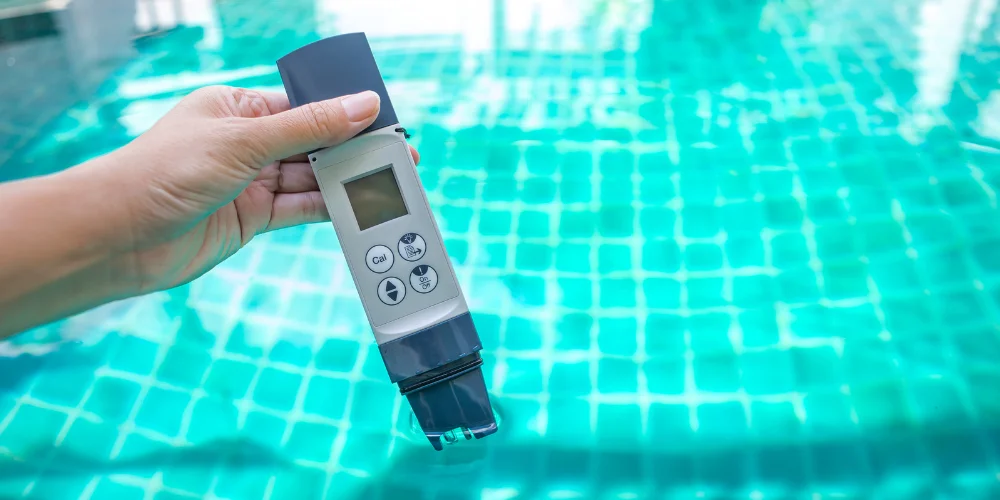
Chloramines are widely used as a disinfectant in swimming pools, but their use is regulated by laws and guidelines to ensure safety and compliance. This subtopic will examine the laws and regulations surrounding the use of chloramines in swimming pools, as well as any guidelines or best practices for their use.
In the United States, the use of chloramines in swimming pools is regulated by the Environmental Protection Agency (EPA) under the Clean Water Act. The EPA has set guidelines for the maximum levels of chloramines that can be present in swimming pool water, and pool operators are required to test and report the levels of chloramines in their pools. [1] The EPA also sets guidelines for the proper handling and disposal of chloramines and other pool chemicals to prevent contamination of ground and surface water.
In addition to federal regulations, individual states may also have their own regulations and guidelines for the use of chloramines in swimming pools. For example, the state of California has its own set of guidelines for the use of chloramines in swimming pools, known as the California Code of Regulations Title 22. These regulations include guidelines for proper testing and reporting of chloramine levels, as well as guidelines for the proper handling and disposal of chloramines and other pool chemicals [2].
Aside from legal regulations, there are also guidelines and best practices for the use of chloramines in swimming pools provided by professional organizations and industry groups. For example, the National Swimming Pool Foundation (NSPF) provides guidelines for the proper use and maintenance of chloramines in swimming pools, including guidelines for testing and reporting of chloramine levels, as well as guidelines for the proper handling and disposal of chloramines and other pool chemicals [3].
In conclusion, the use of chloramines in swimming pools is regulated by laws and guidelines to ensure safety and compliance. These regulations and guidelines are set by federal and state governments, as well as professional organizations and industry groups. Pool operators should be aware of these regulations and guidelines and take necessary precautions to ensure that they are in compliance and to protect the health and safety of swimmers and the environment.
[1] Environmental Protection Agency. (n.d.). Swimming Pool and Spa Chemical Disinfectants and Oxidants.
[2] California Department of Public Health. (n.d.). California Code of Regulations Title 22.
[3] National Swimming Pool Foundation. (n.d.). Chloramines.
Share this research on social media
Facebook
Twitter
LinkedIn
See all Research on Chloramines