Importance of Water Quality Monitoring in Industrial Processes
- Published:
- Updated: December 16, 2024
Listen to this article
Summary
Water quality monitoring is crucial in industrial processes to ensure that water meets necessary standards, preventing equipment damage, reducing costs, and ensuring environmental compliance. Regular monitoring improves efficiency, enhances product quality, and reduces the risk of equipment failure. Key parameters like pH, TDS, conductivity, turbidity, chlorine, hardness, and dissolved oxygen must be monitored to maintain water quality.
Neglecting water quality monitoring can lead to equipment failure, decreased efficiency, and reduced product quality. Environmental regulations require compliance, necessitating regular monitoring and reporting. Best practices include regular monitoring using appropriate methods, calibrated equipment, and proper documentation.

We need water for most industrial activities – for manufacturing, power generation, mining and agriculture. It is directly proportional to the efficiency, productivity and sustainability of these operations how well the water is treated. This is why the quality of industrial water should be checked on a regular basis.
Understanding the Significance of Water Quality in Industrial Processes
Industrial applications require water quality monitoring to ensure that the water is of sufficient quality for the use that is being carried out. Bad water can also result in various issues, like equipment corrosion, low productivity, and low-quality products. Water that is contaminated is dangerous to the environment and human health.
Industrial facilities can find problems with water quality and fix them before they become severe. This avoids equipment failure, repairs are cheaper, and operations are sustainable in the long run.
The Advantages of Monitoring Water Quality Regularly

There are many benefits to regularly monitoring water quality in industrial processes, including:
- Improved Efficiency: By ensuring that the water used in industrial processes meets the necessary standards, facilities can improve the efficiency of their operations. This can result in reduced energy consumption, lower operating costs, and increased productivity.
- Enhanced Product Quality: High-quality water is essential for many industrial processes, such as food and beverage production, pharmaceutical manufacturing, and chemical processing. Regular water quality monitoring helps to ensure that the water used in these processes meets the necessary standards, which can result in improved product quality.
- Reduced Risk of Equipment Failure: Contaminated water can cause corrosion and other types of damage to equipment, leading to costly repairs or even replacement. By regularly monitoring water quality, facilities can identify and address potential issues before they become major problems.
- Compliance with Environmental Regulations: Many industrial processes are subject to strict environmental regulations, including regulations related to water quality. Regular water quality monitoring helps facilities to ensure that they are in compliance with these regulations, which can help to minimize the risk of penalties and fines.
The Consequences of Neglecting Water Quality Monitoring in Industrial Processes
The potential consequences of not monitoring water quality in industrial processes can be significant, including:
- Equipment Failure: Contaminated water can cause corrosion and other types of damage to equipment, leading to costly repairs or even replacement.
- Decreased Efficiency: Poor water quality can result in reduced efficiency in industrial processes, which can lead to increased energy consumption, lower productivity, and higher operating costs.
- Decreased Product Quality: High-quality water is essential for many industrial processes, and poor water quality can result in decreased product quality.
Key Water Quality Parameters to Monitor in Industrial Processes
There are several water quality parameters that should be regularly monitored in industrial processes, including:
- pH: The pH level of the water is an important indicator of its acidity or alkalinity. In industrial processes, it is important to maintain a neutral pH level to ensure the proper functioning of equipment and to prevent corrosion.
- Total Dissolved Solids (TDS): TDS refers to the amount of minerals, salts, and other dissolved substances in the water. High TDS levels can cause scaling and fouling of equipment, which can lead to reduced efficiency and increased energy consumption.
- Conductivity: Conductivity is a measure of the ability of water to conduct electricity. High conductivity levels can indicate the presence of dissolved salts, which can cause scaling and corrosion of equipment.
- Turbidity: Turbidity refers to the cloudiness of water caused by the presence of suspended particles. High turbidity levels can cause fouling of equipment and reduce the effectiveness of treatment processes.
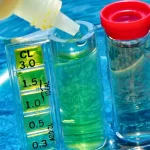
- Chlorine: Chlorine is often added to water as a disinfectant, and it is important to regularly monitor its levels to ensure that it is within the recommended range.
- Total Hardness: Total hardness is a measure of the amount of calcium and magnesium ions in the water. High levels of hardness can cause scaling of equipment and pipes.
- Dissolved Oxygen (DO): Dissolved oxygen is an important parameter for many industrial processes, as it is essential for the proper functioning of equipment and the health of aquatic organisms.
Water Quality Monitoring and Environmental Compliance
Many industrial processes are subject to strict environmental regulations, including regulations related to water quality. Regular water quality monitoring helps facilities to ensure that they are in compliance with these regulations, which can help to minimize the risk of penalties and fines.
In the United States, the Clean Water Act requires facilities to monitor their discharge of pollutants into waterways and to report their findings to the Environmental Protection Agency (EPA). Regular water quality monitoring helps facilities to ensure that their discharge meets the necessary standards and to demonstrate their compliance with the regulations.
Best Practices for Water Quality Monitoring in Industrial Processes
To ensure effective water quality monitoring in industrial processes, it is important to follow best practices, including:
- Regular monitoring: Regular water quality monitoring is essential to ensure that the water used in industrial processes meets the necessary standards. This should be done at regular intervals, such as daily, weekly, or monthly, depending on the specific requirements of the process.
- Use of appropriate testing methods: There are many different methods for testing water quality, and it is important to choose the appropriate method for the specific application. Some common methods include chemical analysis, spectrophotometry, and ion chromatography.
- Use of calibrated equipment: To ensure accurate results, it is important to use calibrated equipment for water quality testing. This includes pH meters, conductivity meters, and other types of water quality testing equipment.
- Documentation: It is important to keep accurate records of the water quality testing results, including the date, time, and results of each test. This documentation can be used to demonstrate compliance with regulations and to track changes in water quality over time.
The Importance of Real-Time Water Quality Monitoring
The main strength of water quality monitoring is that potential problems are found before they happen. The monitoring systems also maintain an ongoing pulse on water quality measurements, so facilities can respond in an instant if there is a deviation from the targets. This can save on equipment failure and repair expenses.
A monitoring system that detects pH fluctuations in real time can notify facility managers when the water treatment process might be broken. This will help the operators fix the problem in time and avoid further damage to the machines.
Even monitoring water quality in real time can be a way of complying with regulations. In real time monitoring, facilities can react rapidly to changes in water quality and act quickly to make sure they are up to par with regulations.
The Role of Automation in Water Quality Monitoring
Automation is becoming a big part of industrial water quality monitoring. Water quality monitors that are automated monitor water quality metrics continuously, and automatically, in real-time, without human intervention. This can lead to better and more predictable outputs, and lower overheads.
An automated water quality system can continually monitor water pH levels and notify facility operators if they are outside of the range. This can reduce equipment downtime and repair costs.
Automating the processes can even ensure that it is eco-friendly. With automated water quality monitoring, facilities know that they are always checking their discharge and staying in compliance.
The Future of Water Quality Monitoring in Industrial Processes
The next evolution in water quality monitoring in industry is likely to come with both technology and sustainability at its heart. As new sensors, analytical tools and real-time monitoring systems are developed, facilities will monitor water quality better and catch potential problems sooner.
With a focus on sustainability and environmental conservation, there will also be new technologies being developed to monitor water quality. Smart sensors and AI algorithms may come to dominate, and water quality could be monitored more efficiently and precisely.
Water monitoring in industrial processes promises to be more tech-oriented and environmentally friendly in the future. New technologies and methods will allow facilities to track water quality more reliably and detect problems faster, which is both sustainable for the facility and a win for the environment and health.
Share this on social media:
Facebook
Twitter
LinkedIn

Related Posts