Dangers of Contaminated Water in Natural Disasters
- Published:
- Updated: December 16, 2024
Listen to this article
Summary
Contaminated water in natural disasters poses severe health risks due to sources like floodwaters, broken pipes, reservoirs, and groundwater. It can cause gastrointestinal illnesses, skin infections, respiratory problems, and waterborne diseases. Long-term effects include liver and kidney damage, neurological issues, and cancer. To prevent water contamination, individuals can store clean water, install filters, stay informed, and avoid contaminated sources. Effective purification methods include boiling, chemical purification, filters, and UV purification. Relief organizations provide clean water supplies, purification systems, and medical assistance, while governments fund water infrastructure improvements and educate the public. Safe drinking water is crucial for preventing diseases, supporting hygiene, and aiding recovery efforts. Improving water infrastructure and investing in research can mitigate water contamination risks in future disasters.

Storms, floods, earthquakes — all these disasters can devastate infrastructure and disrupt basic services, such as clean and safe drinking water. Without access to clean water, the water becomes polluted and is dangerous to the communities that live in it.
Primary Sources of Contaminated Water in Natural Disasters
During natural disasters, the sources of contaminated water can be vast and diverse. Some of the primary sources of contaminated water include:
- Floodwaters: Floodwaters can contain hazardous materials and chemicals from overflowing sewage systems, industrial waste, and agricultural runoff. The water can also be contaminated with human and animal waste, making it dangerous to drink or even touch. The flooding can also create an environment conducive to the growth of harmful bacteria and other pathogens, increasing the risk of waterborne illnesses.
- Broken pipes: Earthquakes, hurricanes, and other disasters can cause damage to water mains, leading to leaks and broken pipes. If the pipes are contaminated with sewage, the water supply can be hazardous to consume. This can cause widespread contamination of the water supply, putting many people at risk of serious health problems.
- Reservoirs and lakes: Natural disasters can cause disruptions to the water treatment process, leading to contaminated water in reservoirs and lakes. This can occur due to the breakdown of the treatment process, the introduction of contaminants into the water supply, or the release of contaminated water from flooded storage facilities.
- Groundwater: Groundwater can become contaminated if the water table rises, bringing pollutants to the surface. This can occur as a result of heavy rains or flooding, which can cause the water table to rise and bring contaminants to the surface. Groundwater contamination can be particularly dangerous, as it can take years to clean up and can have long-term health effects.
Spread of Contaminated Water and Its Effect on Public Health

Contaminated water can spread quickly during natural disasters, affecting a large number of people. The contaminated water can cause a range of health problems, including:
- Gastrointestinal illnesses: Consuming contaminated water can lead to symptoms such as vomiting, diarrhea, and stomach cramps. These illnesses can be particularly dangerous for young children, the elderly, and people with weakened immune systems.
- Skin infections: Contaminated water can cause skin infections, especially if the water is contaminated with chemicals or human waste. These infections can be painful and can take a long time to heal.
- Respiratory problems: Inhaling contaminated water droplets can cause respiratory problems, including pneumonia. This can be particularly dangerous for people with weakened immune systems, such as the elderly and young children.
- Waterborne diseases: Contaminated water can contain dangerous pathogens that can cause waterborne diseases, such as cholera and typhoid fever. These diseases can be life-threatening and can spread quickly through contaminated water sources.
It’s essential to understand the dangers of contaminated water and take steps to prevent exposure to it, especially during natural disasters. This can include avoiding contaminated water sources, using safe water sources, and seeking medical attention if you suspect you have been exposed to contaminated water.
Long-Term Health Effects of Consuming Contaminated Water
The long-term health effects of consuming contaminated water can be severe and long-lasting. Some of the most common long-term health effects include:
- Liver and kidney damage: Consuming contaminated water can cause liver and kidney damage, especially if the water contains heavy metals and toxic chemicals. These organs are responsible for filtering toxins from the body, and prolonged exposure to contaminated water can cause irreparable damage.
- Neurological damage: Exposure to contaminated water can lead to neurological damage, including memory loss and decreased cognitive function. This can occur as a result of toxic chemicals and heavy metals affecting the brain and nervous system.
- Cancer: Certain contaminants, such as chemicals and heavy metals, have been linked to an increased risk of cancer. Prolonged exposure to these contaminants can increase the risk of developing cancer, especially if the exposure occurs during critical periods of development, such as in childhood or during pregnancy.
It’s crucial to take steps to prevent exposure to contaminated water and seek medical attention if you suspect you have consumed contaminated water. This can include seeking medical attention, using safe water sources, and avoiding contaminated water sources.
Preparing for and Preventing Water Contamination in Natural Disasters
Individuals and communities can take steps to prepare for and prevent water contamination during natural disasters. Some of the most effective ways to prepare include:
- Storing clean water: It’s essential to store clean water in containers before a natural disaster strikes. This will ensure that you have access to safe drinking water even if the water supply becomes contaminated. It’s recommended to store at least a three-day supply of water for each person in your household, as well as for pets.
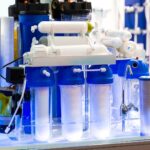
- Installing water filters: Installing water filters in your home can help remove contaminants from the water supply. This can include point-of-use filters, such as pitcher filters, as well as more comprehensive systems, such as whole-house filters.
- Staying informed: Stay informed about the situation during a natural disaster and follow the advice of local authorities. This can include listening to local radio or television stations, visiting local government websites, and following local emergency management agencies on social media.
- Avoiding contaminated water: Avoid using contaminated water sources, such as flooded wells or standing water, and seek out safe water sources, such as bottled water or water from a known safe source.
Most Effective Water Purification Methods for Emergency Situations
If there is an emergency, then having drinking water is important. These are the best water treatment methods:
Boiling: Boil water for one minute or more to kill the majority of the pathogens and turn it into a drinkable product.
Chemical treatment: The chemical treatment could be with iodine or chlorine to kill the germs and make the water drinkable.
Water Filters: Water can be cleaned using filters such as ceramic or straw filters which cleans water so it is safe to drink.
UV disinfection: UV disinfection units disinfect water with ultraviolet light to make it fit for consumption.
When you have a situation like that, you need to have a system for purifying water and have the supplies you need.
Relief Organizations' Response to Contaminated Water in the Aftermath of a Disaster
Relief agencies help deal with polluted water following a disaster. Such as bringing fresh water, water filters, and teaching safe water use. Relief groups can also administer medical services to those affected by polluted water such as vaccinating for waterborne diseases.
Government's Role in Addressing Contaminated Water During Natural Disasters
When a natural disaster strikes, it’s always the government that has a responsibility to clean up contaminated water. This might mean funding water treatment and distribution, helping relief agencies, and regulating water not to be contaminated. The government can also collaborate with municipal governments and institutions to upgrade water infrastructure — including water treatment plants and pipelines — to reduce the risk of water contamination in the future, in case of natural disasters.
The government can also help public educate them about the dangers of polluted water and how to stay away from it. Such as spreading information and materials about how to clean water, how to avoid contamination, and the dangers of polluted water.
The Importance of Safe Drinking Water in Natural Disasters
There is no natural disaster without access to clean water since the unsafe water can be extremely dangerous to the population. Good drinking water can be hard to access in a disaster, so be prepared for water pollution.
A clean water source will save you from waterborne illnesses and other health issues that can result from unhygienic water. And it also acts as an important hydration source, when in hot and wet climates, one is easily dehydrated.
Drinking water could be vital to other services that people require such as hygiene and sanitation. It can also be used to stop diseases from spreading and ensure better health conditions among populations affected.
Drinking water is vital to maintaining public health and rehabilitation during natural disasters. Individuals, communities, relief groups, and the government need to collaborate to make sure affected communities have safe water before and after disasters.
Improving Water Infrastructure to Prevent Water Contamination During Future Natural Disasters
The upgrade of water infrastructure can go a long way to mitigate the potential for water contamination in the future, should natural hazards occur. Among those, upgrading water treatment and distribution, water storage and distribution, and water safety regulations.
Research and development of advanced water purification technologies can increase the speed at which contaminated water is processed after a natural disaster. Create portable water purification systems that can be quickly transported in a crisis, and deliver safe drinking water to impacted communities.
Fluoride in the waters of natural catastrophes can be a public health hazard for the communities involved. You need to know what can happen to contaminated water, how to plan for and avoid contaminated water, and how to deal with contaminated water after disaster. In concert, individuals, communities, relief agencies and the government can work to reduce the likelihood of water contamination and ensure safe water supply after a natural disaster.
Share this on social media:
Facebook
Twitter
LinkedIn

Related Posts