Uncovering Hidden Chemicals in Your Drinking Water
- Published:
- Updated: January 6, 2025
Listen to this article
Summary
Uncovering hidden chemicals in your drinking water is crucial for safeguarding your health:
Common Chemicals and Health Effects: Chemicals like lead, chlorine, arsenic, fluoride, and nitrates can contaminate drinking water, leading to various health issues such as nervous system damage, cancer risk, and reproductive problems.
Testing Methods: Home test kits, professional lab testing, and government testing are available options to identify hidden chemicals in drinking water.
Regulation and Monitoring: Government agencies like the EPA regulate and monitor drinking water quality, setting standards and enforcing them to ensure safe drinking water.

Having clean and safe drinking water is a human right, but the truth is that sometimes drinking water has chemicals in it that are harmful to us. And there are other chemicals you might be exposed to in water, some of which might not be so easily detected or controlled. They can come from agricultural effluent, factories, landfill run-off, and others.
Common Chemicals in Drinking Water and Their Health Effects
Chemicals aren’t the only ones that can contaminate drinking water, and the most prevalent are:
Lead: Lead is a deadly heavy metal, which can be leached into drinking water from old pipes or plumbing. Exposure to lead for prolonged periods of time can lead to fatal disease — especially of the nervous system, ovaries, and kidneys. The most at risk are children, for lead has cognitive and behavioural implications.
Chlorine: Often chlorine is applied to disinfect drinking water and kill the germs and viruses. But excessive chlorine can be bad for the health — eye and skin irritation, respiratory issues, cancer.
Arsenic: Arsenic is a mineral in nature that leaches into the water by infiltration from soil or rock. Chronic arsenic exposure also results in serious illness, including skin damage, heart disease and some cancers.
Fluoride: Water is supplemented with fluoride in some locations to keep the teeth free from decay. Yet too much fluoride has been known to make people sick, with dental fluorosis (whitening of teeth) and skeletal fluorosis (a disease of the bones).
Nitrates: Nitrates are a common source of nitrates in water from runoff from agricultural fertilisers and sewage. Nitrates increase risk of disease including blue baby syndrome (an infancy syndrome) and some cancers.
Testing for Hidden Chemicals in Drinking Water

It is important to know what chemicals are present in your drinking water, so you can take steps to protect your health. There are several ways totest for hidden chemicals in drinking water, including:
- Home test kits: Home test kits are available for purchase online or at a local hardware store. These kits typically test for specific chemicals, such as lead or chlorine, and provide results within a few minutes.
- Professional testing: If you are concerned about your drinking water, it is best to have your water tested by a professional lab. A professional testing lab can test for a wide range of chemicals, including heavy metals, pesticides, and volatile organic compounds (VOCs).
- Government testing: Your local or state government may also test drinking water for contaminants. This information is typically available to the public and can be found online or by contacting your local water authority.
Regulating Chemicals in Drinking Water: The Role of Government Agencies
The government agencies are important to control how much chemicals are in drinking water and keeping it safe for consumption. Voici some of the main agencies that regulate drinking water:
Agency for Environmental Protection (EPA): EPA sets national drinking water standards and manages compliance among states and localities. They are enforced by the EPA too, and water districts who do not comply with them.
Local governments: Local governments are liable for enforcement of EPA drinking water regulations and making local water systems conform to those regulations. They also monitor and analyze public drinking water for contaminants and report that information to the public.
Reducing Exposure to Chemicals in Drinking Water
Not all chemicals are a possible solution to get off your drinking water, but you can still lower your levels of exposure to some. Among the best ways are:
Using a Water Filtration System
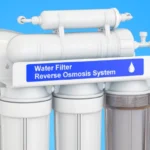
Installing a water filtration system will purify your water from chemicals. There are a variety of filters like activated carbon filters, reverse osmosis filters and whole house filtration systems. Select a filtration system that is geared to get rid of the chemicals you care about.
Drinking Bottled Water
You can also get your water from the tap by drinking bottled water, to lessen your exposure to chemicals in water. However, do remember that there are still contaminants in some bottled water and you want to stick with a brand that has been certified by a respected entity.
Understanding Sources of Contamination
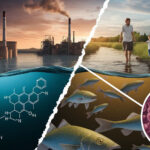
You can make educated decisions about the quality of your water by knowing where the contamination exists. Most common contamination points are agricultural dredge, industrial discharge, and underground storage tank leaks.
Addressing the Impact of Climate Change on Drinking Water
This relates particularly to water quality because of climate change, where rainfall and heat increase the likelihood of contaminant. We need to reduce the sources of this damage, including emissions reduction and natural habitat preservation, to slow climate change at its source. Investing in infrastructure and technology to enhance water treatment and distribution infrastructure can also be a way to ensure that our drinking water is long-term safe.
Long-Term Health Implications of Chemical Exposure
Long-term health effects of chemicals in the water supply can be dramatic, ranging from cancer, nervous system injury and reproductive issues. For these health problems, the best option is to test the water we drink for toxic chemicals and do what you can to limit the exposure.
Advocating for Safe Drinking Water
People and communities can help push for safe water and seek to discover buried chemicals in their water supply. These can be by calling your city and state officials, attending town halls, and becoming part of advocacy groups. If we all act and cooperate, then all people can have safe and clean drinking water.
Find out what chemicals are hidden in your water supply if you want to keep yourself and those you love safe. Learn which chemicals are often found in drinking water, how to test the water for these chemicals, and how to keep your water safe from these chemicals.
The Importance of Staying Informed
Knowing what your water is, and what chemicals are there, is the way to stay safe. If you’re aware of results of water quality testing, and if the regulations and standards change, then you can make better choices about your drinking water. You can also do something to prevent your body from being contaminated by toxic chemicals by installing a water filter or drinking bottled water so that your water will not be polluted and unhealthy.
The Role of Technology in Improving Drinking Water Quality
It’s only the technology that’s becoming a bigger factor in the quality of water we consume, and the amount of chemicals we are exposed to. Water treatment and filtration technologies and testing and monitoring methods are making it easier to find and clean pollutants in the water supply. In addition, smart water and the IoT are allowing water utilities to efficiently manage and deliver water without the risk of contamination.
The Importance of Protecting our Water Sources
Then there’s the issue of trying to minimize the consumption of toxicity chemicals in our water sources and keeping our water clean. These might be things like controlling agricultural runoff, properly recycling toxic waste, and regulating industrial discharge. If we preserve our water, then we can make sure that the generations to come will have access to safe and healthy water.
Environmental Impact of Chemical Contamination
Drinking water chemicals are a problem for the environment as a whole. There is a build-up of noxious chemicals in water from agricultural drainage, industrial discharge and waste disposal. These pollutants are harmful to ecosystems, animals and water quality, so we should be living sustainably and following stringent environmental standards to save our local waterways.
Conclusion: Ensuring Safe Drinking Water by Uncovering Hidden Chemicals
Finding chemicals in a drink is essential for public health. This can be scouted out by familiarity with common contaminants such as lead, chlorine, arsenic, fluoride, nitrates and using multiple test methods. Government regulation and consumer driven steps (filtering and not relying as much on potentially polluted bottled water) are key. We can protect our water supply from chemical contamination and a healthier future if we are educated and push for better regulations.
Collaborating for Safe Drinking Water
We need to work together to ensure that our water is safe for drinking – people, neighborhoods, government and corporations all have a part to play. Together, we can educate people about safe water, demand more regulations and standards, and do something to ensure we have clean water.
Find chemicals in your water and learn to protect yourself and your family’s health. If you are concerned about your water quality, if you can help make the choices to minimize your exposure to chemical contaminants, and if you will continue to demand safe drinking water, you will ensure that your water stays safe and free from contaminants. We can all cooperate in the quest for clean and safe water with the help of technologies and continued investments in water quality.
Share this on social media:
Facebook
Twitter
LinkedIn

Related Posts