Hidden Dangers of Microplastics in Drinking Water
- Published:
- Updated: January 17, 2025
Listen to this article
Summary
Microplastics, tiny particles of plastic less than 5 millimeters in length, pose a hidden danger in drinking water. Originating from the breakdown of larger plastic items, they infiltrate tap and bottled water, as well as water used in agriculture and food production, threatening human health and the environment. Microplastics act as carriers for toxic pollutants, including persistent organic pollutants (POPs) and heavy metals, posing health risks upon ingestion. Studies link microplastics in drinking water to hormonal imbalances, reproductive issues, and developmental problems. Moreover, microplastics harm wildlife and disrupt ecosystems. Detection of microplastics in drinking water is challenging but vital, requiring specialized methods like Raman spectroscopy and infrared spectroscopy. Addressing this issue demands a multi-faceted approach involving changes in consumer behavior, improvements in waste management, and advancements in water treatment technologies. Collaborative efforts at the national and international levels, supported by research, industry engagement, and sustainable water management practices, are essential to safeguarding human health and the environment from the hidden dangers of microplastics in drinking water.

The microplastics in our water are something that has gotten worse over the past couple of years; the tiny bits of plastic we find in tap water, bottled water and even water we use to farm and process food. Microplastics are small particles of plastic less than 5 millimetres in diameter and the product of the dissolution of other larger plastic objects. These particles are getting into our drinking water and are polluting the environment and human health. The presence of microplastics in our water supply raises serious concerns about potential health risks and environmental impact. As researchers delve deeper into this issue, questions arise about what are microplastics in water and how they might affect aquatic life and humans alike. Efforts to understand their prevalence and sources are crucial for developing effective solutions to mitigate this growing problem.
Understanding Microplastics and Their Presence in Drinking Water
Microplastics are tiny plastic particles produced by the breakdown of larger plastics (eg, plastic bags, water bottles, packaging). These granules are easily blown off by the wind, through the water and the sewers, and into our drinking water. Microplastics can also be found in sewage effluent and sludge that can be irrigation or agricultural fertiliser, so we have microplastics in our food chain.
Microplastics in drinking water have become a problem, since these little plastic slivers can pick up and store toxins, including persistent organic pollutants (POPs) and heavy metals. Microplastics are poisonous if they are eaten, since their toxins can leach into the human body.
The Threat of Microplastics to Human Health

Microplastics in our water supply could harm human health as these small bits of plastic will absorb and store harmful pollutants like persistent organic pollutants (POPs) and heavy metals. When microplastics get into the body, their toxins can be released into the body and harm health.
There’s also been research that links microplastics in water to hormonal imbalance, reproductive dysfunction and child development issues. Microplastics in water have also been found to put people at risk of some cancers and can harm liver and kidneys.
The Effects of Microplastics on the Environment
Microplastics in the environment are an environmental factor too. There are other species of wildlife that will be damaged by microplastics – birds and fish who eat the particles, leading to illness and even death. Even microplastics will kill vegetation, compromising biodiversity and destroying fragile ecosystems.
And microplastics in waterways can have a very real effect on the quality of water as well, impairing the performance of water treatment plants. And the water can escape into the environment, threatening wildlife and the natural environment.
The Prevalence of Microplastics in Drinking Water
Microplastics are also an increasing issue in our drinking water: most recently researchers have reported microplastics in tap water, bottled water and even agricultural and food production water. There is no single accurate measure of microplastic levels in water, as these are local and water-based, but microplastics are detected in drinking water around the world.
Detecting Microplastics in Drinking Water
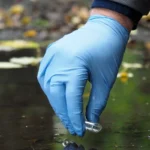
Microplastics are very difficult to detect in drinking water because these minuscule granules of plastic are very hard to find and quantify. Filtration and sedimentation, for example, don’t show microplastics in the water because they are so tiny and dissolve quickly in water.
You will need special techniques like Raman, infrared and laser ablation mass spectrometry to see microplastics in water. They can be used to identify different microplastics and determine their concentration in water samples.
Reducing the Presence of Microplastics in Drinking Water
The solution to microplastics in drinking water involves many steps: consumer behavior, the management of waste, new technologies for water treatment and filtration.
We as consumers can help reduce microplastics in our drinking water by decreasing the use of single-use plastics like water bottles and plastic bags. — Consumers can promote waste management that doesn’t release microplastics into the environment (eg recycling and composting).
Ensuring better waste management (e.g., more efficient waste water treatment or disposal of plastic waste) also prevents the infiltration of microplastics into the environment. Introducing new technologies for water treatment and filtration (nanofiltration, reverse osmosis) can also help us to purify drinking water effectively from microplastics.
The Implications of Microplastics in Drinking Water for Agriculture and Food Production
Even microplastics in the water supply could affect agriculture and food security, since the particles can pass through the plants and get into the food supply. That can leave microplastics in our food, and that’s bad for human health.
If microplastics in agriculture and food production is a problem, agriculture needs to reduce waste management (eg, dumping plastic, composting and recycling). New technologies for water filtration and treatment (nanofiltration, reverse osmosis, etc.) could be introduced to help effectively filter microplastics out of irrigation water, making it less likely to end up in the crops and food chain.
Addressing the Issue of Microplastics in Drinking Water at the National and International Level
To fix the problem of microplastics in water at a national and international level, regulation and policies to mitigate microplastics’ emissions into the environment, as well as water treatment and filtration systems, will need to be adopted.
The World Health Organization (WHO) and the United Nations Environment Programme (UNEP) can also contribute, to combat microplastics in drinking water, technical support, resources and training for national governments and communities. Conventions like the United Nations Sustainable Development Goals (SDGs) can help rally the troops to stop the presence of microplastics in water and promote access to safe and sustainable water.
We have begun to see microplastics in drinking water that threaten human health and the natural world. This is a problem that can be addressed in multiple ways – from consumer behaviour changes to better waste management to new water treatment and filtration technologies. The problem of microplastics in water can be tackled with the support of international agencies, governments and communities so that everyone has safe and sustainable water.
The Need for Further Research on Microplastics in Drinking Water
Even with microplastics in the water we drink now in focus, we know very little about what and how these tiny bits of plastic are doing. This is more research to be done, but at least to know where the microplastics in our water come from, how they’re detected, and whether or not they pose health and environmental risks.
We need to find out what microplastics actually end up doing and where they are going – moving along water cycles, sitting in soil and sediment, and being absorbed by plants and animals. It’s crucial to know this information in order to determine ways to minimise the amount of microplastics found in drinking water and the environment.
The Role of Industry in Reducing Microplastics in Drinking Water
It’s also the responsibility of industry to reduce microplastics in drinking water. Businesses can also start to recycle less plastic and reduce the amount of plastic waste they generate, which means less microplastic ends up in the environment.
Industry could invest in developing new technologies for water treatment and filtration such as removing microplastics from the water supply. It is also possible for companies to collaborate with communities and governments on creating policies and regulations that limit microplastics in drinking water and the environment.
The Benefits of Sustainable Water Management Practices
Reduce microplastics in the drinking water; sustainable water management also delivers a host of other advantages such as water quality, water availability and improved ecosystem health.
Rainwater harvesting, water conservation and management of wetlands and other sources of water can all be strategies to provide clean and safe water for people. These practices could help to maintain water-reliant ecosystems and the livelihoods of communities.
The Importance of Community Action in Addressing Microplastics in Drinking Water
The need for social intervention is imperative when it comes to microplastics in drinking water. Localities can try to use fewer single-use plastics and encourage waste management practices that do not release microplastics into the environment.
Neighborhoods can cooperate with local officials and business to help ensure regulations and policies are in place to limit microplastics in water and the natural environment. Using the community level as a means to get all of us clean and safe water and keep our communities and environment safe.
The problem of microplastics in water is a big and evolving one that must be tackled from consumers to national governments. Together we can eliminate microplastics in our water supply, safeguard the health and welfare of people and planet, and make drinking water safe and sustainable for all.
Share this on social media:
Facebook
Twitter
LinkedIn

Related Posts