Understanding the Importance of Clean Groundwater in Fairfield and Litchfield Counties
Clean groundwater is essential for families needing reliable water sources. It’s the backbone of our drinking water and daily meals, ensuring community health. Pollutants from bad septic systems or industrial waste can damage these resources. Regular checks are necessary to prevent contamination from runoff.
Regional Water Table Dynamics
Rainfall changes and geological layers influence water levels here. Weather extremes stress aquifers during dry spells. Yet, by observing and using water wisely, we can reduce waste and contamination risks.
Common Contaminants in Aquifers
Aquifers face threats from nitrates, bacteria, and industrial chemicals. Stormwater can carry pollutants from farms or lawns into the ground. Without action, contamination can harm health, property values, and quality of life. Testing is critical, with UConn Extension providing tools for safer water.
The Basics of Home Wells

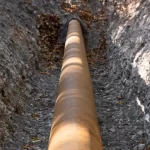
Dug, driven, and drilled wells each tap groundwater in unique ways. A dug well often sits closest to the surface, while a driven one uses pipes pushed deep into the soil. Drilled wells typically reach farther into underlying aquifers, drawing a steady supply through durable casing. Each option depends on local geology and construction methods.
A sturdy well cap keeps out insects and debris, reducing risks for contamination. Solid casing prevents soil and contaminants from seeping into the water supply. Proper sealing around the top of the well further shields the aquifer. These elements work together to protect families who depend on well water for daily use.
Property owners have a range of homeowner responsibilities stemming from their well system. Regular checkups and scheduled testing help detect any changes in water quality. Maintaining pumps and monitoring water flow extend the well’s lifespan. Observing these steps not only secures reliable groundwater but also safeguards overall household health.
Well Water Testing Procedures
Protecting private wells starts with careful sampling and analysis. Reliable methods help find contaminants that can affect taste or health. Experienced labs give clear instructions, boosting confidence in test results. UConn Extension’s program is a reliable source for guidance on local testing, costs, and insights into heavy metals and bacteria.
How Often Should You Test
Experts suggest testing your well water at least once a year for bacteria or nitrates. Some areas might need extra tests for arsenic or pesticides due to nearby activities. Homeowners collect samples in sterilized containers and send them for lab analysis.
Recognizing Warning Signs of Contamination
Unusual smells, rust-like colors, or odd tastes in water can signal contamination. Testing is a direct way to identify safety risks. If you notice changes, testing right away can prevent harm from bacteria or chemicals. Regular water testing is key for well owners in Fairfield and Litchfield County, ensuring peace of mind.
Well Water vs. Municipal Supply
Residents often consider private wells for their dependability. Fairfield County well water has a unique mineral profile, influencing taste and quality. Homeowners enjoy control over their water, avoiding additives found in city supplies.
City water, on the other hand, adheres to EPA and state regulations. This includes regular testing and treatment to ensure public health. Yet, well water in Fairfield County reflects local geology, absorbing natural minerals. Private well owners must commit to regular maintenance and testing for contaminants.
Some value the control and taste of well water. Others prefer the convenience of municipal services. Each option comes with its own set of costs, regulations, and maintenance responsibilities.
Potential Hazards in Private Wells

Residents relying on Litchfield County well water face several dangers if their water supply is not properly maintained. Contaminants can enter through farm runoff or faulty septic systems. Public health officials stress the importance of regular checks to identify problems early.
For reliable guidance, individuals can explore trusted safety resources on preventing contamination. Being vigilant is key to protecting families from health risks.
Bacterial Threats
Bacteria can cause illness when their levels exceed safe limits. E. coli and coliform colonies can form in wells with compromised seals or near animal waste. Quick action is necessary to prevent illness.
Chemical Pollutants
Benzene, pesticides, and nitrates pose hidden risks when they enter water supplies. These substances, from farming or household products, can infiltrate soil layers, affecting those who consume them. Implementing protective measures can reduce long-term exposure.
pH Imbalances
A water supply with a severe pH can corrode pipes or produce a bitter taste. Users of Litchfield County well water might notice stained fixtures or metal buildup due to pH shifts. Regular monitoring is essential to prevent damage and maintain water quality.
Hazard | Source | Warning Sign | Recommended Action |
Bacteria | Animal waste or septic leaks | Odors or gastrointestinal issues | Disinfection and retesting |
Chemicals | Agricultural or industrial runoff | Strange odors or discoloration | Targeted filtration systems |
pH Imbalances | Mineral content shifts | Metal stains or sour taste | Adjust with proper treatment |
Effective Filtration and Purification Measures
Households benefit from filtering well water in ways that suit their specific needs. Some rely on mechanical filters to trap sediment and residue. Others install advanced systems designed to remove contaminants that threaten water quality. Each approach aims to protect families and maintain reliable access to clean water.
Bacterial contamination poses health risks and demands swift solutions. A thorough evaluation helps homeowners choose between methods like chlorination or ultraviolet light treatment. Filters with activated carbon and specialized resins reduce chemical traces while improving taste. Expert advice ensures the right match for every well, even when high mineral levels or persistent issues arise.
Professional services examine water composition and suggest targeted equipment. Testing remains vital when contamination is suspected. Rigorous maintenance and periodic assessments preserve filtration performance. The overall goal is dependable, healthy water for everyday tasks and peace of mind.

Filtration Method | Common Target | Key Benefit |
UV Disinfection | Bacterial Contamination | Destroys Harmful Microbes |
Activated Carbon | Chemical Residues | Improves Taste and Odor |
Reverse Osmosis | Dissolved Metals | Reduces Heavy Metals |
Safe Maintenance Practices for Homeowners
Regular upkeep is key to extending a well’s life and safeguarding families from unseen dangers. By maintaining a consistent care routine, water sources can remain pristine. Vigilance is essential to prevent chemical pollutants from contaminating the supply.
Many homeowners rely on the Environmental Protection Agency for expert advice. Staying informed can save on costly repairs and ensure peace of mind. Regular inspections help catch small problems before they escalate into major hazards.
Routine Visual Inspection
A quick visual check can uncover damaged caps or loose seals. Cracks in surfaces invite bacteria and pollutants, compromising water quality. It’s wise to clear debris near the casing and watch for any runoff around the well site.
Seasonal Care Checklist
Clearing snow or leaves prevents moisture buildup and seepage through weak spots. Pests often seek damp areas to nest, so it’s critical to look for signs of rodents. Annual visits from licensed professionals add an extra layer of safety.
Task | Frequency | Purpose |
Inspect Cap Integrity | Monthly | Prevent surface contamination |
Remove Debris | Monthly | Maintain clear drainage |
Check Well Cover | Seasonally | Deter pests and block chemicals |
Schedule Pro Inspection | Yearly | Identify hidden structural problems |
Test Water Quality | Yearly | Protect against chemical pollutants |
Addressing Common Misconceptions
Many property owners think clear water is always safe. Yet, beneath the surface, bacteria or heavy metals could lurk. Regular water testing is essential to uncover these hidden dangers.
Another widespread myth suggests odd flavors are due to harmless minerals. But, an unusual taste might actually signal a pH imbalance. This imbalance can harm water quality and pipes. It can also weaken disinfection treatments, leaving you less protected than you think.
Regular inspections can prevent small issues from becoming major problems. Taking proactive steps enhances safety. Understanding these misconceptions empowers homeowners to manage their wells more effectively and with greater confidence.
Myth | Fact |
Clear water means it is safe to drink. | Contaminants may be invisible, creating health risks. |
Well checks are only needed occasionally. | Consistent tests prevent hidden hazards. |
pH imbalance only affects taste. | It can corrode plumbing and reduce the effectiveness of water treatments. |
How Climate and Weather Affect Your Well
Rainfall patterns and temperature swings significantly impact the water table in Fairfield and Litchfield County. Owners who monitor local weather trends are better equipped to protect their wells. Regular monitoring helps avoid unexpected repairs and ensures water quality remains healthy.
Flooding Impact

Excess water can seep into well casings, bringing sediment or harmful organisms. Nearby overflow can also move pollutants toward the aquifer, increasing contamination risks. Homeowners may opt for water filtration upgrades to combat increased microbial levels or debris.
Early detection and swift action are key to preserving safety and preventing further damage.
Drought Precautions
Low precipitation slows aquifer recharge, affecting well performance. This can lead to drops in flow or pressure over time. In some cases, concentrated minerals pose health risks and damage plumbing components.
Increased testing is essential during droughts. Selective water consumption and timely maintenance, along with effective water filtration, help prevent shortages and meet daily needs.
Local Regulations and Guidelines
In Connecticut, authorities have set clear steps for drilling or decommissioning private wells. The Department of Public Health has established specific standards. Yet, well owners are fully responsible for ensuring their water is safe to drink. This responsibility includes keeping up with documentation and any changes in local codes.
Real estate deals often require test results from certified labs. Such verification is essential to confirm a well’s condition and avoid delays in transactions. Public agencies stress the importance of understanding local ordinances and consulting with water experts. They also recommend keeping detailed records. This approach enhances drinking water safety and ensures a smooth experience for all.
Essential Well Water Improvement Strategies
Upgrading a private well requires a thorough examination of current systems. Over time, pumps, tanks, and filters can lose efficiency, affecting water quality. Regular well maintenance ensures the drinking water remains safe and identifies hidden problems.
Disinfection Methods
Many homeowners opt for shock chlorination to quickly combat bacterial threats. Ozone treatments provide an alternative, effective against persistent microorganisms. These methods effectively neutralize harmful contaminants, ensuring water tastes clean.
Assessing Equipment Upgrades
Outdated pumps or pressure tanks often fail to provide consistent flow. Modern solutions, like variable-speed pumps, reduce energy costs. A more robust filter also helps remove metals and other impurities. Local groups, such as UConn Extension, can interpret test results and suggest necessary upgrades.
Professional Water Treatment Services

In some Connecticut areas, challenges from arsenic or uranium require specialized solutions. Suppliers like Culligan offer advanced systems to remove dangerous elements. Skilled technicians guide households through the process. Safe water is a result of well maintenance and ongoing expert support, protecting families for years to come.
Signs Your Filtration System May Need an Upgrade
Strange tastes or odors may suggest filters are no longer performing at full capacity. Persistent bacteria or metals can slip through unnoticed.
Partnering with UConn Extension for updated tests verifies if your system meets current standards. Some homeowners discover arsenic or lead levels remain high despite regular maintenance.
Possible indicators include:
- Repeated contamination in water samples
- Frequent filter clogs
- Cloudy or discolored water
These red flags warn that existing equipment needs a closer look. A timely upgrade safeguards well water quality and keeps households safe. UConn Extension offers guidance on modern filtration methods to restore fresh taste and peace of mind.
Regular testing uncovers issues that might remain hidden without proper evaluation. Equipment calibration or replacement often leads to cleaner results and greater confidence in every sip.
Long-Term Benefits of a Properly Maintained Well
Homeowners who focus on their well’s maintenance reap significant rewards. Regular inspections, thorough cleaning, and consistent water quality improvement lead to lasting peace of mind. This proactive approach can also boost property value and enhance health.
Increased Home Value
Maintained wells attract more buyers. A history of successful inspections guarantees a steady water supply. Real estate agents often report higher offers on homes with reliable wells.
Health and Wellness Advantages
Clean water reduces the risk of contaminants that can harm the immune system. It minimizes the presence of unwanted chemicals and bacteria. Families can enjoy better hydration without constant worry or extra filtration costs, thanks to UConn Extension resources. Long-term water quality improvement simplifies life.
The table below highlights key perks of consistent well upkeep.
Benefit | Outcome |
Fewer Repairs | Save on plumbing costs and keep well equipment in good shape |
Reduced Mineral Buildup | Preserve fixtures and piping from clogs or corrosion |
Reliable Water Supply | Consistent flow with fewer interruptions |
Ensuring Quality Water for Generations to Come
In Fairfield and Litchfield Counties, homeowners safeguard their private wells through consistent care all year. Seasonal well care involves regular inspections to catch minor issues before they escalate. Tasks like checking seals and verifying filtration efficiency help maintain water purity.
Seeking professional advice can lead to valuable upgrades, essential during extreme weather conditions. Annual water quality tests reveal any necessary adjustments. This proactive approach instills confidence in the water quality at home.
By being proactive, families ensure their wells remain reliable. Diligent maintenance and timely responses prevent unnecessary expenses. This dedication secures a legacy of clean water for future generations.
FAQ