
Understanding the Basics of Coliform Bacteria
Coliform bacteria inhabit soil, plants, and the digestive systems of humans and animals. Their presence in water signals possible contamination, posing a risk to household water supplies. If well construction is poor or testing is irregular, their numbers can grow.
Without intervention, these bacteria can cause stomach issues and more severe health problems for those drinking the water. Implementing routine checks and protective measures is essential. This helps identify early signs of contamination before major issues arise.
Main Sources in a Household Setting
These germs can enter drinking water through cracked well walls or leaky pipes. Septic leaks also serve as a hidden pathway for contamination. Soil around wells is another entry point, exacerbated by heavy rainfall that carries more waste and debris.
Why They Pose an Invisible Threat
Coliform organisms are often undetectable by taste or smell, making them a silent threat in many homes. Certain groups are at higher risk, including older adults and those with chronic illnesses. Regular inspections and swift action are critical to safeguarding everyone from these hidden dangers.
Why Well Water Is Vulnerable
Wells are exposed to various threats that can lead to contamination. Cracks in caps and old pipes provide a pathway for harmful bacteria. Shallow wells, being closer to the surface, are more susceptible to contamination from storm runoff.
The U.S. Environmental Protection Agency (EPA) emphasizes the importance of acting quickly if E. coli is detected. Owners might need to halt water use for drinking until it’s properly treated. The risk of bacterial intrusion increases with the age of well components, exacerbated by areas prone to sudden flooding.
Regular inspections for structural damage can prevent unexpected issues. Testing for coliform bacteria regularly is essential. Only after thorough disinfection and confirmation of no contaminants can the well be safely used again.
- Inspect well caps and seals at least once a year
- Schedule professional testing for coliform
- Keep track of repairs and inspection dates

Vulnerability Factor | Possible Impact |
Cracked Casing | Allows direct entry of contaminants |
Flooded Terrain | Surface water seeps into the well |
Older Infrastructure | Increased likelihood of leaks |
Health Risks You Should Know
Coliform bacteria in wells can be a significant threat to those using private systems. Symptoms may begin with mild discomfort, but some face severe outcomes. It’s essential to stay vigilant to prevent complications that affect families and communities.
Potential Gastrointestinal Complications
Drinking contaminated water can lead to diarrhea or stomach pain. Even minor discomfort can worsen if pathogens are not addressed. Long-term exposure increases the risk of chronic gastrointestinal issues, jeopardizing overall health.
Risks for Elderly and Immunocompromised
Older adults and those with weakened immune systems are at greater risk. A minor issue can quickly become a serious health crisis. Regular testing and prompt action are critical to safeguard vulnerable populations, ensuring they have access to safe well water.
Warning Signs to Watch For
Changes in a household’s water supply can signal hidden problems. Those relying on wells in the United States often worry about these shifts. It’s important to catch these signs early to safeguard families from dangers.
Sudden Changes in Water Color or Smell
Unexpected colors, like yellow or brown, could mean contamination is brewing. A foul smell is a red flag, often pointing to organic matter or bacteria. It’s also wise to check for new tastes, as they might indicate rising coliform bacteria levels.
Common Observations | Likely Source |
Cloudy or milky look | Raised sediment or tiny organisms |
Earthy or rotten smell | Potential sulfur or bacterial growth |
Brownish tint | Iron or mineral buildup |
Symptoms in Household Members
Illness signs can appear, such as stomach cramps or diarrhea. If family members have unexplained skin issues or discomfort, testing is essential. Spotting contamination early is critical for safety. Taking these signs seriously is vital.
Effective Testing Methods for Early Detection
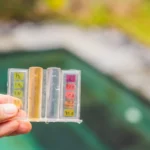
Regular checks can uncover hidden threats in well water long before they affect health. Many experts advise scheduling an annual test. This helps pinpoint coliform bacteria and other contaminants that may lurk out of sight. By catching early warning signs, it prevents severe complications in the water supply.
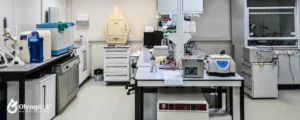
Sending a sample to a certified lab remains a reliable step. Lab technicians can detect minute traces of bacteria and provide accurate results. Interpreting positive or negative readings guides homeowners toward the right course of action. Understanding these findings fosters confidence in ongoing water safety efforts.
The Environmental Protection Agency stresses that routine testing is one of the most effective measures to protect drinking water quality in private wells.
Consistent screening paves the way for swift remediation. Early detection limits the threat of contamination, guarding families against discomfort or serious illness. This priority nurtures long-term peace of mind for anyone relying on groundwater sources.
Proper Treatment Options for Contaminated Wells
Discovering coliform bacteria in well water prompts a swift response. This urgency is to safeguard family members from harmful exposure. The solution involves targeted decontamination and long-term protection measures.
Shock Chlorination Basics
Shock chlorination involves a high chlorine dose to cleanse the system. It targets bacteria hiding in pipes and well surfaces. Homeowners may use lab tests orthis resource to verify the treatment’s success. It’s essential to flush lines afterward to prevent chemical exposure to people and pets.
“An intense chlorine treatment can be the first step whenever contamination appears,” stated a water safety consultant.
Long-Term Filtration Solutions
Installing a reliable filtration system is key to ongoing protection. Options include regular disinfectant injections or more advanced systems like UV or reverse osmosis. Each choice should align with the household’s specific needs and usage patterns.
Filtration Method | Key Benefit | Maintenance Level |
UV Disinfection | Eliminates microorganisms | Moderate |
Reverse Osmosis | Removes chemical contaminants | Moderate |
Maintenance Strategies for Long-Term Safety
Well owners protect their homes by scheduling annual well inspections to uncover hidden issues. Licensed professionals assess pump performance, water quality, and test for coliform bacteria. They also seal cracks in well casings, preventing contaminants from entering the water.
Proper septic system management is key to preventing harmful organisms from reaching groundwater. Pump inspections ensure all mechanical parts work correctly, reducing bacterial outbreaks. The Environmental Protection Agency advises continuous monitoring for any changes in odor or color.
Regular cleaning of the well’s internal parts maintains steady water flow and limits bacterial growth. Local health departments are invaluable in identifying the best maintenance options. Repairing damaged areas around the well offers peace of mind. Making these decisions ahead of time ensures a safe water supply and a healthy living environment for families nationwide.
The Impact of Environmental Factors
Seasonal changes and shifting landscapes can significantly alter well water quality. Temperature fluctuations and weather events lead to changes in bacterial levels. Understanding these patterns is key to maintaining long-term water stability.
Seasonal Trends in Bacterial Growth
In warmer months, bacterial growth surges. High temperatures accelerate reproduction, and storms can direct runoff towards wells. Spring snowmelt can flood areas, allowing contaminants to infiltrate underground. This poses a significant risk for those dependent on private wells.
Influence of Surrounding Land Use
Farms, residential areas, and industrial sites all impact groundwater. Overworked soils release excess nutrients that fuel bacterial growth. New construction can alter water flow paths. Heavy rainfall on farmland can carry manure and fertilizers into the soil, increasing contamination in wells.
Environmental Factor | Potential Impact on Wells |
Heavy Rain | Washes sediment and bacteria into shallow systems |
Flooding | Increases contamination from septic fields |
New Construction | Reconfigures land patterns that direct water flow |
Working with Professional Water Experts
Certified specialists inspect wells for structural gaps and hidden damage that may invite coliform bacteria. They use refined tools to pinpoint lingering issues and prevent fresh contamination from surfacing.
Licensed drilling crews and servicing teams offer rapid solutions for well water concerns. Their evaluations detect problems that may stay hidden during routine checkups. This approach helps households sidestep recurring bacterial events while preserving water quality.

Regular advice and on-site support from experts give homeowners practical steps for ongoing safety. Their process may include in-depth testing, targeted treatments, and clear guidance on future maintenance. Reaching out swiftly saves time and shields families from harmful exposure.
- Damage Assessments: Spotting hairline cracks or leaks
- Corrective Measures: Replacing compromised parts
- Follow-Up Evaluations: Monitoring for renewed bacterial growth
Service | Key Advantage |
Well Inspection | Identifies hidden flaws before contamination escalates |
Targeted Treatment | Reduces lingering issues linked to coliform bacteria |
Coliform Bacteria in Well Water: Key Testing Guidelines
Sampling procedures help uncover hidden risks in water supplies. Experts check for total coliform, fecal coliform, and E. coli. These markers indicate the severity of contamination. Laboratories follow EPA guidelines to evaluate well water. Accurate testing alerts homeowners to risks early, prompting immediate action.
Regular testing allows homeowners to act before bacteria spread. Tests often show if treatment needs adjustment or if deeper well inspection is required. Even a small increase in these indicators can signal a larger problem needing further analysis.
Interpreting Lab Results

Reports categorize contamination levels and identify bacteria types. Total coliform suggests general contamination. Fecal coliform and E. coli indicate animal or human waste, which is a serious concern. Understanding these differences helps target interventions and prioritize protective actions.
Follow-Up Testing Protocols
Extra testing confirms if treatments were effective or if more disinfection is needed. Experts usually suggest retesting over several weeks to ensure water safety. A well-planned approach keeps bacteria levels under control, ensuring confidence in the household water supply.
- Collect samples at recommended intervals
- Document each test result for future reference
- Contact certified labs for accurate analysis
Type | Indicates | Recommended Step |
Total Coliform | General Contamination | Consider routine maintenance |
Fecal Coliform | Possible Waste Exposure | Inspect drainage sources |
E. coli | Higher Health Risk | Initiate urgent disinfection |
Addressing Common Myths
Many believe a sparkling well means no health risks. This belief can lead to false security when testing is overlooked. Coliform bacteria might stay hidden, even if the water tastes fresh or smells normal. Ignoring proper checks places families at risk.
Some rely on neighbors’ advice, insisting that routine sampling is unnecessary. That approach misses the fact that water sources differ across each property. One professional test can uncover what the eye fails to detect. Government agencies, such as the Environmental Protection Agency, provide guidelines to pinpoint possible hazards in wells.
- Myth #1: If it looks clean, it must be safe
- Myth #2: A quick treatment eliminates all bacteria for good
"The appearance of water is not a reliable indicator of whether it is safe to drink," states the Environmental Protection Agency.
Those seeking clarity on these topics may explore more myths about well water. A better strategy involves regular testing at recommended intervals, keeping residents protected and informed.
Staying Proactive About Safe Drinking Water
Ensuring safe drinking water requires ongoing vigilance and regular well water tests. These tests are critical for detecting coliform bacteria early, preventing its harmful effects. Proper land maintenance around the well site is also essential. It helps prevent runoff, debris, and hidden hazards from contaminating the water supply.
Proactive measures lead to healthier conditions throughout the year. Regular professional evaluations can uncover issues before they escalate. This approach not only ensures peace of mind but also maintains the well’s integrity for years to come.
Implementing simple measures, such as sealing cracks near the wellhead, can significantly reduce contamination risks. Access to reliable information from government agencies and local experts enhances community awareness. By being proactive, households protect their health and the long-term sustainability of their water resources.
Frequently Asked Questions