Key Characteristics of Heavy Metals
These elements are distinguished by their significant mass and robust atomic structure. Their formation is influenced by geological processes, shaping their bonding and reaction with other compounds. Some exhibit malleability and strength, while others can become brittle under specific conditions.
They are highly valued in construction, electronics, and medical technology. Their safety levels vary, and excessive amounts can pose hazards.
Toxic vs. Essential Metals
Some metals are essential for biological functions and are safe in small amounts. On the other hand, toxic metals can harm health if they accumulate in tissues. Metals like iron and copper are vital, yet mercury and arsenic are dangerous even at low levels.
Dense Properties and Conductivity
The dense nature of these materials enables efficient heat and electricity conduction. This property makes them ideal for cables, wiring, and specialized equipment. Their density also impacts dispersion, so careful handling is essential to prevent toxic metals from contaminating soil and water.
Common Types of Heavy Metals
Lead’s historical use in paint and gasoline is well-documented. Mercury played a significant role in thermometers and industrial processes. Arsenic was used in pesticides, while cadmium is a concern in batteries and pigments. These elements are major contributors to metal contamination when released into the environment. The sources include air emissions, industrial wastes, and natural bedrock.
Metals like chromium, cobalt, zinc, and copper are common in various industries and products. Each has unique chemical properties and applications. If not managed properly, they can pose risks. Scientists and regulatory bodies closely monitor these to mitigate metal contamination risks. Recognizing these categories is essential for assessing their impact on soil, water, and consumer goods.
Where Heavy Metals Are Found in the Environment
Heavy metals are scattered across the globe, becoming pollutants when their levels exceed safe thresholds. They spread through soil, water, and air, threatening communities and ecosystems. This widespread presence poses significant risks.
Natural Geological Deposits
These elements are embedded in the Earth’s crust, often migrating to waterways or surface layers through erosion. Areas with rich mineral deposits see higher metal levels, sometimes due to mining activities. Mining can strip away protective layers, exacerbating the issue.
Industrial Discharge and Pollution
Factories processing metals or ores release harmful byproducts. The U.S. Environmental Protection Agency points out the dangers of waste runoff and improper disposal. Metals from mining tailings, untreated effluents, and vehicle emissions can contaminate vast areas, endangering habitats.
Household Products
Paints, batteries, and old electronics contain metals that pose health risks. If not disposed of correctly, they can leak into water or soil. It’s essential for consumers to check labels, recycle responsibly, and opt for safer alternatives to reduce harmful residues in homes.
How Heavy Metals Affect Human Health
These metals can enter the body through breathing, eating, or direct skin contact. Some individuals face significant exposure risks when working in industrial settings or living near polluted sites. Once inside, the metals may bind to enzymes and disrupt essential cellular tasks.
Immediate Toxins
Short-term incidents often bring on sudden nausea or weakness. Certain metals intensify oxidative stress and harm nerve pathways, leading to acute symptoms. Medical experts report that prompt detection is vital, as early intervention may prevent life-threatening outcomes in vulnerable groups such as children and pregnant people.
Chronic Exposure Risks
Prolonged contact amplifies exposure risks by allowing metals to accumulate in bones, kidneys, or other organs. This long-term buildup can hinder normal development or spark conditions tied to diminished brain function.
“Prolonged contact, even at low levels, can disrupt normal body processes,” — World Health Organization
Scientists continue investigating safe thresholds, highlighting prevention as a key strategy for public health.
Tracking Heavy Metals in the Food Chain
Heavy metals can move from water sources into small aquatic organisms, then rise through each stage of the food chain. This path exposes top-level predators to higher concentrations, as mercury collects in large fish. Consumers face added risks if these species form part of their regular meals.
The Food and Drug Administration keeps a close watch on heavy metal contamination, measuring levels in seafood and produce. This effort helps people stay informed about possible hot spots in the food chain. It also highlights the value of knowing where food is grown, along with the methods used to test soil and water.
Bioaccumulation emphasizes the need for reliable data on toxicity, which directs public health advice. People who are alert to environmental hazards can better select foods and limit exposure to harmful elements that climb through each link of the food chain.
Notable Scientists’ Perspectives on Heavy Metals
Researchers have delved into the effects of metals like lead and cadmium on our lives. Their findings have raised concerns about health risks. Reports indicate that prolonged exposure can lead to specific health issues globally.
Pioneering Research Findings
Alice Hamilton at Harvard was among the first to link industrial toxins to health problems. Her work prompted further research into chemical impacts. Today, toxicologists build on her legacy, creating tests to track contamination.
Calls for Global Policy Reforms
Health advocates and environmental groups urge stricter regulations on mining and waste. They advocate for increased collaboration and funding for cleanup efforts. Their aim is to safeguard future generations and mitigate health risks from these metals.
Scientist | Key Contribution |
Alice Hamilton | Highlighted industrial hazards |
Rachel Carson | Advocated for ecological awareness |
Heavy Metals in Different Industry Sectors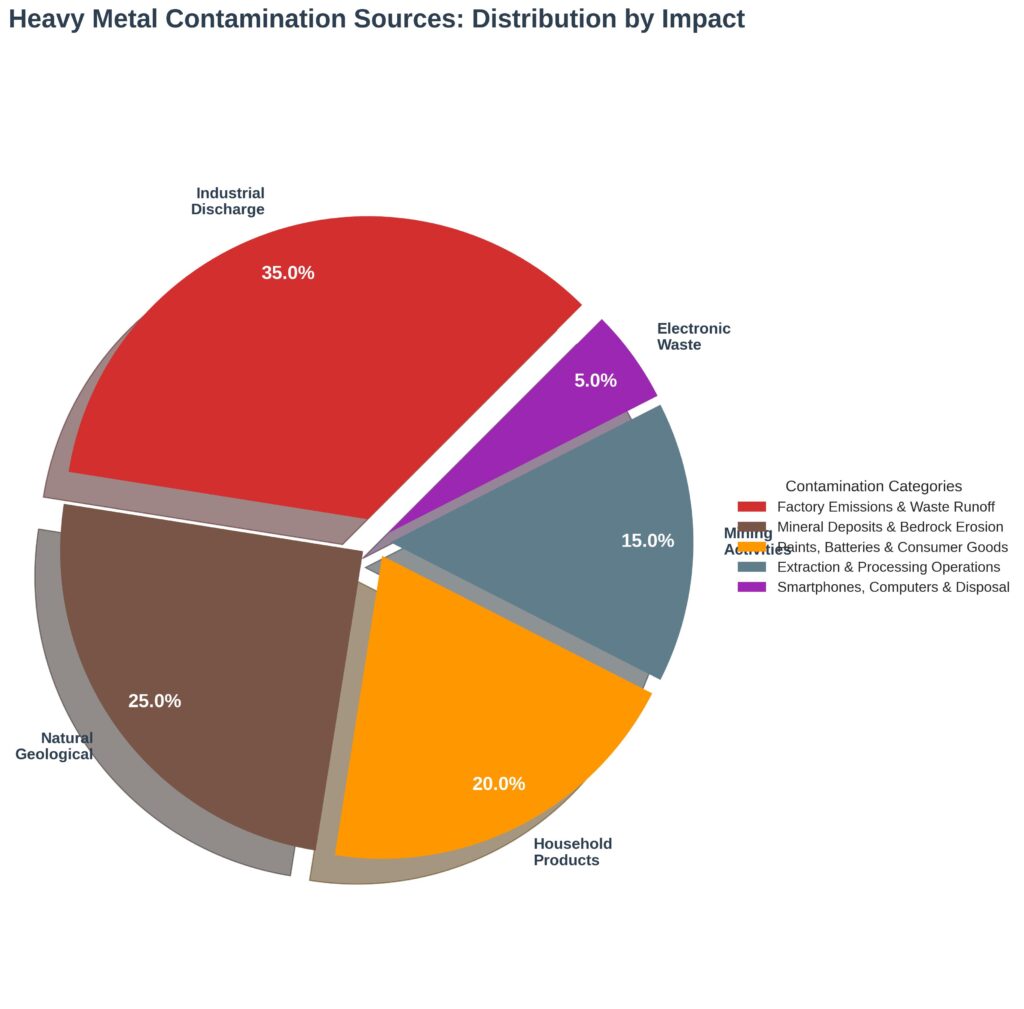
Mining sites are the starting point for metals’ journey to our roads and waterways. Companies like Toyota and Ford use metals like lead in their vehicles. This enhances performance but also leads to waste that can harm habitats.
Electronics giants, such as those behind smartphones and computers, heavily rely on metals like copper, cadmium, and mercury. The growing pile of e-waste poses a threat to ecosystems. Industrial pollution is a major issue when these devices are not disposed of correctly.
The production of solar panels requires specific alloys to function efficiently. While some facilities manage metal runoff effectively, others risk contaminating soil and water. Industrial pollution is a significant concern if there’s inadequate oversight.
Implementing better tracking and recycling methods could significantly reduce heavy metal pollution across various sectors. A balanced approach is essential to safeguard communities and preserve ecosystems. This is vital as new technologies continue to increase metal demand.
Regulations and Guidelines in the United States
Efforts to control heavy metals are widespread across the nation. Agencies employ various strategies to lower contaminants in air, water, and products. This framework safeguards communities and guides industries to adhere to safe contamination levels.
EPA Standards and Enforcement
The United States Environmental Protection Agency rigorously oversees industrial waste and water quality. EPA regulations concentrate on measuring metal concentrations in rivers and municipal systems. Agencies often require:
- Periodic sampling of public water systems
- Regular factory audits
- Transparent reporting on contamination tests
Penalties are enforced when businesses exceed legal limits. New rules are introduced based on updated data suggesting higher risks.
FDA Oversight in Food and Beverages
The Food and Drug Administration establishes specific limits for heavy metals in items like produce, canned goods, and infant formulas. EPA regulations also guide soil and irrigation standards to prevent cross-contamination in farming. This dual approach aims to mitigate health risks effectively.
Preventive Measures for Limiting Exposure
Being aware is the first step in protecting against heavy metals. It’s essential to check local water systems for contaminants. Using filters when necessary is also a proactive measure.
These actions align with FDA guidelines to reduce metal content in food. Parents are vigilant about arsenic, lead, and mercury in children’s food. Businesses should follow suit by implementing strict screening during production.
- Use filtration devices for tap water in older homes.
- Choose fish varieties known for minimal mercury levels.
- Recycle electronics and batteries through authorized centers.
- Incorporate cleaner production methods to reduce harmful releases.
Working together, government, producers, and communities can build stronger defenses. This collective effort promotes healthier ecosystems and minimizes risks for all.
Technological Advancements in Testing Heavy Metals
Public interest in advanced screening methods continues to rise, driving new solutions that address concerns related to bioaccumulation. Researchers refine detection tools to capture metal traces within environmental samples and consumer products.
Greater accuracy in identifying hazardous levels empowers communities to act with confidence. A peer-reviewed study highlights the importance of sensitive instruments that target low concentrations, giving experts a clearer view of possible risks.
Innovations in Laboratory Analysis
State-of-the-art facilities employ techniques such as mass spectrometry to detect contaminants in water and soil. These precision approaches uncover hidden dangers and guide remediation efforts when metal residues threaten public safety.
At-Home Testing Solutions
Individuals gain immediate insights through kits that screen for concerns in home environments. Basic indicators in tap water or paint signal when it is prudent to seek a more detailed laboratory report.
Method | Key Advantage |
ICP-MS | Parts-per-billion sensitivity |
XRF Devices | Portable and non-destructive |
Home Kits | Convenient preliminary check |
Debates on the Future of Heavy Metals
The rise of clean technology has brought metals like lithium and cobalt into the spotlight. These metals are essential for electric vehicles and renewable energy systems, aiming to reduce carbon emissions. Yet, their extraction and use must be done ethically and with careful disposal to avoid new environmental problems.
Some argue that advanced recycling could help reduce the need for these metals. Others suggest moving towards less toxic alternatives. This debate centers on how industries can expand without undermining environmental goals.
Renewable Energy and Sustainability
Wind turbines, solar panels, and battery systems all depend on heavy metals for peak performance. Tesla, a leader in electric cars, faces scrutiny over its metal sourcing. This highlights the need for strict regulations, from local mining to global enforcement.
Research is underway to develop safer materials and improve life-cycle management. The goal is to align heavy metal use with true sustainability. The quest for responsible growth continues, driven by community demands for eco-friendly products that protect public health.
A Final Reflection on This Heavy Metals Roundup
Heavy metals are essential for advancing technologies and industries. They are critical for medical devices, electronics, and manufacturing, driving societal progress. Their unique properties make them indispensable, yet their risks require vigilant monitoring.
Regulatory bodies, such as the EPA and FDA, play a key role in setting safety standards. They focus on protecting water systems, consumer goods, and ensuring food safety. As research advances, these guidelines must evolve. Responsible practices in production and mining can also mitigate widespread harm.
Public awareness is a significant factor in mitigating risks. Educating individuals about health impacts and preventive measures can significantly reduce dangers. Achieving safer use of heavy metals hinges on collective knowledge and technological advancements. Collaboration is essential to ensure future generations benefit from these metals without increased risks.
FAQ
What are heavy metals, and why is there no single universally accepted definition?
Heavy metals are often described as elements with high density or atomic weight. Yet, many experts argue that classifying metals solely by these traits can be misleading. The U.S. Food and Drug Administration (FDA) prefers focusing on certain harmful metals. They highlight that some “heavy metals,” such as iron or zinc, are essential nutrients. On the other hand, metals like arsenic and mercury can be toxic.
Why are some metals considered toxic while others are essential?
Toxicity often depends on the metal’s specific chemical behavior and how it interacts with biological systems. Metals like iron, copper, and zinc are vital in small amounts for enzyme functions and overall health. In contrast, arsenic, cadmium, and mercury can be dangerous even at low doses. They disrupt cellular processes and can accumulate in vital organs.
Which metals are most commonly found in the environment and media reports?
Lead, mercury, arsenic, and cadmium frequently appear in discussions about contamination and public health risks. Other metals, such as chromium, cobalt, zinc, and copper, also surface in environmental studies. These can enter the soil, water, and air due to industrial discharge, natural geological deposits, or household products like old batteries and paints.
How do industrial activities contribute to heavy metal pollution?
Industries rely on metals for various processes, from car manufacturing to plastics, electronics, and solar panels. Mining, metal smelting, and certain fertilizers can release harmful residues into ecosystems. Improper disposal of electronics (e-waste) can also be a significant source of surface-soil and groundwater pollution. This emphasizes the need for strict waste management protocols.
What are the immediate and long-term health effects of heavy metal exposure?
Acute poisoning may produce nausea, vomiting, or neurological symptoms, while chronic exposure can lead to organ damage, reduced cognitive function, and elevated cancer risks. Children, pregnant individuals, and older adults are often more susceptible. These risks underscore why agencies like the FDA and the Environmental Protection Agency (EPA) set exposure and contamination limits.
In what ways do heavy metals move through the food chain?
Metals such as mercury can bioaccumulate in aquatic ecosystems. Small organisms ingest the metal, which then concentrates as larger species prey on smaller ones. Humans may consume these top-tier species (e.g., fish and shellfish) that contain elevated levels of mercury or other metals. This makes regulatory advisories and consumer awareness critical.
What perspectives do notable scientists offer on heavy metals?
Researchers emphasize refining how heavy metals are defined and regulated, pushing for ongoing studies into toxicity thresholds. Many also call for global policy reforms to harmonize guidelines across borders. Ensuring consistent data sharing and reducing pollution through advanced waste treatment and industrial oversight are key.
Which industry sectors utilize heavy metals, and how can they mitigate harm?
Heavy metals are used in electronics, car parts, specialized alloys, and solar panel production. While these applications drive innovation, manufacturers can adopt cleaner technologies, closed-loop recycling, and responsible sourcing methods. These steps help reduce harmful emissions, soil contamination, and water pollution from industrial byproducts.
Who regulates heavy metals in the United States?
The EPA manages industrial emissions and sets guidelines for air, water, and soil quality. The FDA enforces permissible levels for metals in foods, recalling products deemed unsafe. Better coordination between these two agencies can strengthen public health protections and ensure emerging industries follow updated regulations.
What can individuals do to limit exposure to heavy metals?
Following FDA guidance on food choices — such as opting for fish with lower mercury content and monitoring produce grown in potentially contaminated areas — is key. Properly disposing of batteries and electronics, using water filters when necessary, and staying informed of local contamination advisories also help reduce personal risk.
How has technology improved heavy metal detection?
Sophisticated instruments like ICP-MS (Inductively Coupled Plasma Mass Spectrometry) can measure minute metal concentrations in various samples. At-home kits provide initial testing for lead paint or well water, but confirmatory lab analyses remain the most reliable. These advancements help quickly identify hotspots and guide remediation.
Why are heavy metals debated in the context of renewable energy?
Metal-based components, such as lithium batteries in electric vehicles or cadmium telluride in some solar panels, support the transition to cleaner energy. Yet, their extraction, use, and disposal raise questions about environmental footprints. Researchers and innovators continue seeking alternative materials and recycling solutions to minimize ecological impacts.
What is the overarching message regarding heavy metals?
They are indispensable to modern technology and industry but can pose serious health and environmental risks without proper monitoring and regulation. Collaborative efforts among government bodies, industries, and consumers — guided by scientific research — are essential. This ensures both innovation and public safety go hand in hand.