Understanding the Basics of Carbon Filtration
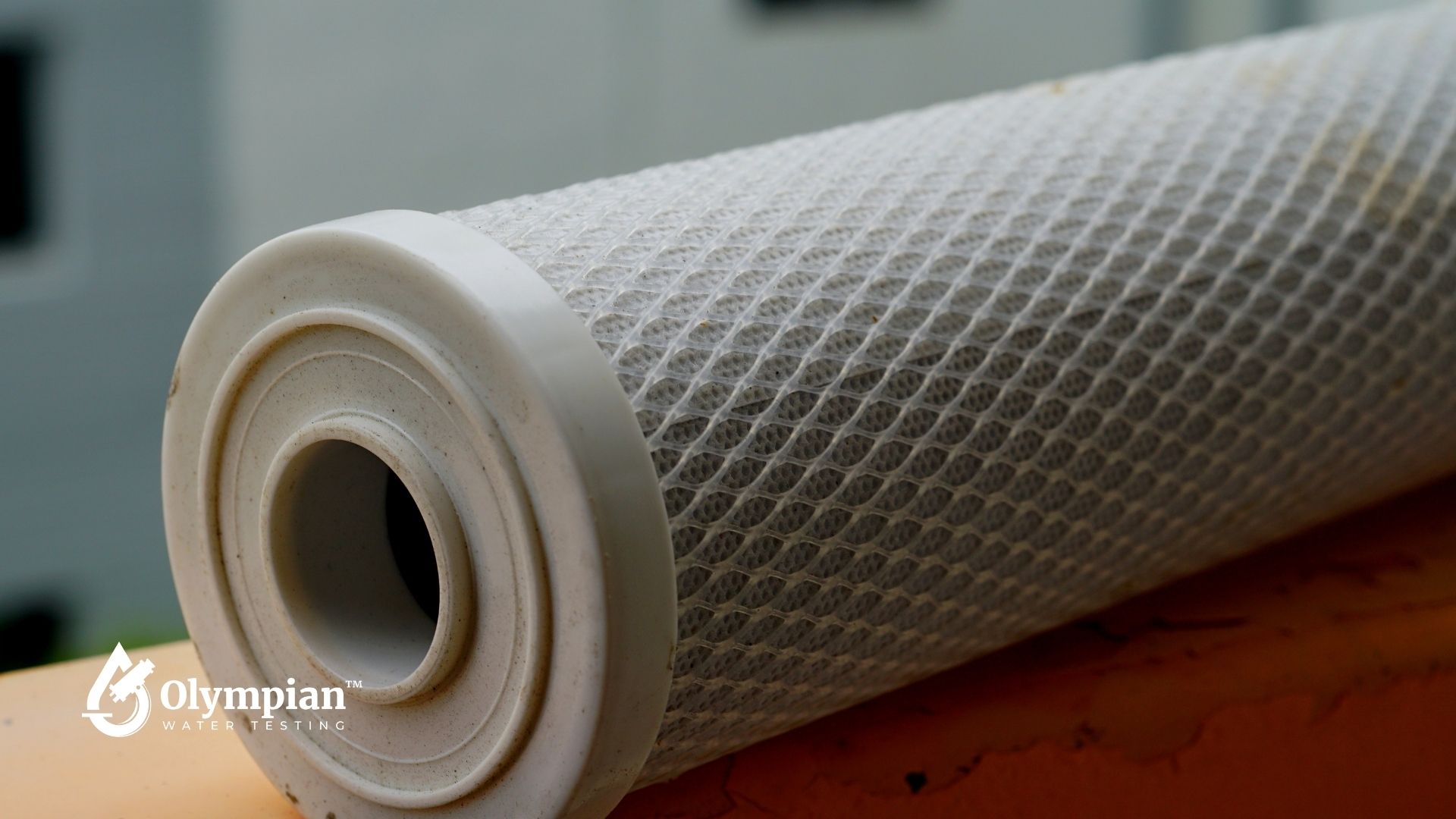
Carbon-based filtering has been a cornerstone in purification methods for centuries. It uses materials that capture unwanted substances, ensuring water and air remain fresh. Many people refer to this process when discussing the use of activated charcoal in everyday life.
The Origin of Carbon Filtering
Ancient civilizations discovered that burnt wood could purify water through adsorption. Their early experiments led to the creation of basic blocks. These blocks were the starting point for the advanced techniques we use today. The development of more porous charcoal has transformed it into the effective media we know now.
Common Applications in Household Systems
In the United States, many households rely on carbon-based technology to improve air and water quality. This technology is central to many filtration products, such as Brita or PUR. Activated charcoal in air purifiers removes odors and harmful compounds. Under-sink filters, on the other hand, use granules to block contaminants, ensuring cleaner drinking water.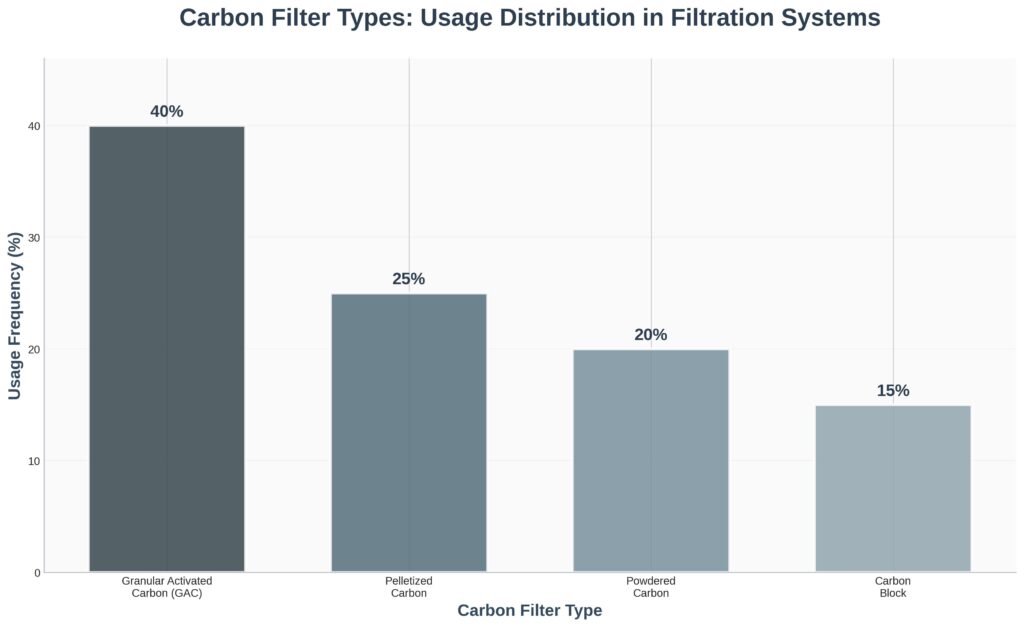
Historical Snapshot of Carbon Usage
Era | Main Use | Outcome |
Ancient Times | Basic Water Cleansing | Reduced Impurities |
Modern Day | Household Filtration | Improved Taste & Safety |
Popular Types of Carbon Materials
Activated carbon can come from various sources like coconut shells, hardwood, coal, or peat. Each source has a unique pore structure, affecting performance. Manufacturers use these differences to ensure reliable outcomes in purification systems.
The field heavily depends on adsorption technology to combat a wide range of pollutants. Users enjoy a variety of textures and densities, fitting both household needs and industrial-scale operations. By comparing each type, we can select the most effective barrier against harmful substances.
- Granular Activated Carbon (GAC): Widely used in everyday filters for its optimal size and flow rate.
- Pelletized Carbon: Created for industrial processes to minimize pressure drop while capturing pollutants effectively.
- Powdered Carbon: Ideal for specialized settings where high surface area and deep contact are essential.
This method highlights the versatility of adsorption technology in purifying substances. Different carbon materials provide effective solutions for cleaner water and air. They cater to both residential users and large-scale industries.
Why Surface Area Matters
Surface area significantly impacts how well activated carbon captures unwanted substances. A dense network of microscopic openings can turn a small amount of material into a vast platform for adsorption. This vast space enhances overall performance in both residential and commercial settings. It allows filters to handle higher contaminant loads without losing efficiency.
Micropores, Mesopores, and Macropores
Carbon filters have three main pore types. Micropores target small molecules, including many indoor pollutants. Mesopores and macropores host larger particles and ensure air or water flows optimally. Each pore category works together to remove a range of contaminants, making surface complexity a key factor in long-term reliability.
Impact on Filtration Efficiency
High pore volume extends operating life by trapping diverse compounds, minimizing frequent replacements. In air purification systems, precise pore structure supports VOC removal by locking in gaseous chemicals that affect indoor air quality. This approach not only improves breathing conditions but also helps control odors in both homes and workplaces. Increased surface area means greater capacity, leading to cleaner environments and better peace of mind.
How Each Layer Traps Contaminants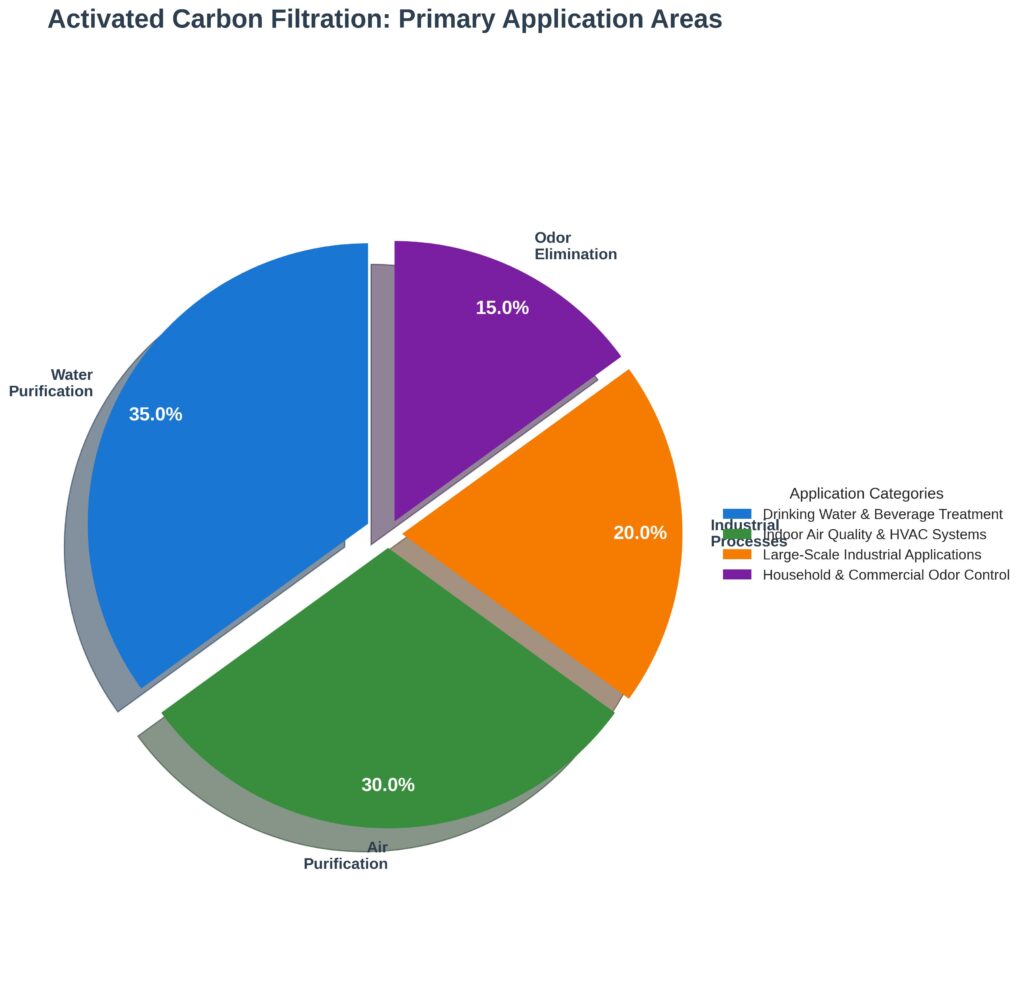
Layers in a filtration setup work together to target various impurities. Some layers capture larger particles, while others focus on chemical and organic threats. This design enhances performance and prolongs filter life, allowing each element to complement the next.
Adsorption Versus Absorption
Adsorption technology keeps pollutants on the surface without changing the filter’s internal composition. This differs from absorption, where substances soak into a material and alter its makeup. True adsorption excels at trapping volatile compounds that often lead to unwanted tastes or smells, helping achieve effective odor elimination.
Role of Activated Carbon Granules
Granules of activated carbon have vast surface areas filled with tiny pores. These pockets lure contaminants and bind them in place, capturing gases known to cause unpleasant odors. Large pores can also capture certain chemicals that slip through other filtration layers. A regular filter replacement schedule ensures the granules keep functioning at their best.
Filtration Stage | Primary Function |
Pre-Filter Layer | Traps large debris and sediment |
Activated Carbon Layer | Focuses on adsorbing organic compounds and aiding odor elimination |
Post-Filter Stage | Polishes the water or air for final clarity |
Roundup of Top Water Purification Systems
Carbon-rich filters are renowned for their ability to remove chlorine, organic chemicals, and some heavy metals. Brands such as Brita, PUR, and Aquasana offer specialized products that enhance taste while reducing contaminants. These filters ensure water has extended contact with a dense carbon bed for thorough cleansing.
While some focus on air purification, many concentrate on liquid-focused solutions. Industrial setups employ massive carbon-based units, catering to high flow rates and periodic regeneration. In contrast, countertop and pitcher designs are ideal for everyday use, providing households with a practical solution for better water quality.
- Brita – Sleek pitchers for efficient daily use
- PUR – Multi-stage technology for broad contaminant reduction
- Aquasana – Whole-house setups for consistent performance
Brand | System Type | Key Feature |
Brita | Pitcher Filter | Compact size, activated carbon layer |
PUR | Countertop Unit | Robust multi-stage filtration |
Aquasana | Whole-House Filter | Extended lifespan under continuous flow |
The Science Behind Odor and Taste Removal
Unpleasant odors and off-tastes often stem from hidden compounds in water or air. The science behind odor and taste removal delves into microscopic interactions. It targets these pollutants at their source.
Carbon filtration has emerged as a key solution for tackling many chemicals that disrupt freshness. This method promotes VOC removal by binding harmful molecules within the filter’s porous structure.
Volatile Organic Compounds (VOCs) Explained
VOCs are carbon-based elements that vaporize under normal conditions. Some pose health risks, while others simply produce unpleasant smells or tastes.
When these substances meet activated carbon, the filter’s enormous surface area locks them in place. This adsorption process is central to removing foul odors from indoor air or drinking water.
Impact on Smell and Flavor
Lingering chemicals can create stale sensations that affect beverages and cooked dishes. Adsorbing these contaminants helps restore a pure aroma. This allows individuals to enjoy a cleaner taste.
Pore size also matters. A mix of large and small cavities catches different types of VOCs. This enhances everyday experiences in kitchens, offices, and beyond.
Comparing Air and Water Carbon Filters
Carbon filters differ in form and function, depending on their application in air purification or water purification. Air filters use pleated or pelletized carbon to capture chemical fumes, odors, and vapors. This ensures smooth airflow by trapping unwanted gases. On the other hand, water filters focus on prolonged contact with fluid to adsorb chlorine, metals, and other dissolved contaminants.
Many consumers opt to combine activated carbon with other technologies. For instance, a home air system from Honeywell or Philips might include a True HEPA layer for dust control. In contrast, a water pitcher from Brita or Culligan employs granular carbon that removes impurities with repeated passes. Both types leverage their complex pore structures to enhance efficiency and quality.
- Flow requirements differ for each medium
- Carbon form is typically pelletized for air, granular for water
- Extended contact time boosts thorough contaminant capture
- Layer combinations maximize filtration gains
Feature | Air Filter | Water Filter |
Brands | Honeywell, Philips | Brita, Culligan |
Core Purpose | Odor and gas removal | Chlorine and heavy metal reduction |
Common Form | Pelletized or pleated carbon | Granular activated carbon |
Primary Goal | Air purification | Water purification |
Common Misconceptions About Activated Carbon Filtration
Activated charcoal is often seen as a universal fix, but the truth is more complex. Many believe it can eliminate all contaminants, but it excels mainly against odors and specific chemicals.
Some mistakenly think any charcoal will do the job. Activation increases the surface area, significantly improving its effectiveness. Another common error is assuming activated charcoal filters never need to be replaced. They do become saturated, which diminishes their performance.
There’s also a misconception that activated carbon can handle dust and large particles. In reality, mechanical or HEPA filters are necessary for these tasks. Brands like Brita and Honeywell offer systems that combine different media for better filtration.
- Misconception: Activated carbon traps everything
- Reality: Best at tackling odors and certain chemical compounds
Myth | Fact |
Carbon never needs replacement | It becomes saturated over time and requires periodic changes |
All charcoal is identical | Only properly activated charcoal provides optimal filtration |
Expert Perspectives on Installation and Maintenance
Experts emphasize the importance of careful installation of household filtration systems. Handling activated carbon elements with care ensures clean water and effective odor removal. It’s critical to align and seal components properly to prevent leaks.
Replacing Filter Cartridges Safely
Regularly replacing filter cartridges is key to avoiding contaminants. Brands like Brita and 3M recommend following their specific guidelines. Small leaks or decreased water flow can indicate the need for new carbon media. Always dispose of used filters according to local regulations, which may vary.
Signs Your Filter Needs Changing
Noticeable changes in water taste or slight odors often signal the need for a filter change. An HVAC filter guide also mentions pressure drops that can impact system performance. Regular maintenance ensures consistent odor elimination and clear water.
- Monitor flow rate regularly
- Keep spare cartridges on hand
- Inspect seals during each upgrade
Recommended Interval | Key Indicator | Maintenance Tip |
Every 3-6 Months | Reduced Water Flow | Check for Scale or Debris |
Every 6-12 Months | Lingering Odors | Dispose Saturated Carbon Responsibly |
Key Factors to Compare When Choosing an Activated Carbon Filter
Choosing the right activated carbon filter is more than just looking at basic specs. Many turn to carbon filtration for water or air purification due to its ability to capture a wide range of pollutants. Some opt for a HEPA filter combination to combat dust, pollen, and chemical odors.
Flow Rate Requirements
The flow rate is critical in determining how long pollutants stay in contact with the carbon. High flow rates can reduce dwell time, impacting adsorption efficiency. On the other hand, slower rates may enhance capture but could limit capacity if not suited for lower flow.
Striking a balance between these factors ensures consistent filtration performance over time.
Porosity and Quality Considerations
The pore structure of the carbon is key to its effectiveness. Smaller pores are better at capturing microscopic particles, while larger channels target larger molecules. Coconut-based materials often have finer pores, whereas coal-based options may handle a broader spectrum.
Choosing the right porosity for your intended use is essential for reliable filtration results.
Environmental Impact of Disposal and Recycling
Companies like Brita and Culligan create carbon filters that capture impurities using adsorption technology. When these filters are no longer effective, the used media can pose environmental risks if not disposed of properly. Some facilities opt for specialized incineration to break down harmful substances. Others push for recycling, aiming to reduce toxic residues.
Regenerating filters can extend their lifespan, but it often requires significant energy. This method involves heating or chemical treatments to cleanse the filters of pollutants. Many industrial operations consider these costs against their sustainability goals. When regeneration is not possible, disposal becomes the only option, highlighting the need for sustainable practices.
- Choose certified collection points that accept spent filters
- Seek local guidelines on safe incineration to limit contamination
- Consult professionals for feasible regeneration methods
Recent advancements in adsorption technology aim to create recycling loops that restore filter pores. This innovation promotes resource conservation and supports efforts to reduce carbon footprints.
How Activated Carbon Filters Complement Other Purification Methods
Systems that combine an activated carbon filter with other tools tend to address multiple concerns at once. Each layer helps reduce contaminants that might slip past a single technology. It becomes a stronger strategy for those who need broader protection in their home or business.
Many experts recommend placing this filter stage before or after other steps in a water purification setup. Doing so can extend the life of complex equipment and improve overall quality.
Pairing with UV Sterilization Systems
Ultraviolet light targets living organisms, while carbon absorbs chemicals that produce unpleasant taste or smell. This dual approach often appears in laboratories and commercial facilities that require sterile yet palatable water.
- UV eliminates bacteria and viruses.
- Carbon granules reduce chlorine and organic residue.
Combining with Reverse Osmosis
RO membranes excel at removing dissolved minerals. An activated carbon filter can handle chlorine or VOCs that might damage the RO membrane. It supports smoother water flow and preserves membrane longevity in any water purification plan.
Method | Primary Benefit |
UV Sterilization | Inactivates microbes for safer consumption |
Reverse Osmosis | Removes dissolved solids and lowers mineral content |
Innovations and Trends to Watch
The push for cleaner environments is fueling innovation in carbon filtration. Companies like Calgon Carbon are developing advanced impregnated carbons. These are designed to tackle pollutants such as hydrogen sulfide and mercury. The use of nanotechnology is also becoming widespread, aiming to improve flow rates and VOC removal in air and water systems.
Modular filter systems are gaining traction, allowing facilities to easily scale up or down. Some are opting for eco-friendly feedstocks, like those from agricultural waste, to support sustainable practices. These advancements are not only making systems more efficient but also reducing maintenance needs. The focus on VOC removal is critical for industrial settings, and these innovations are seen as key for future large-scale projects.
Technology | Key Advantage |
Nanopore Carbon | Improved flow control |
Modular Systems | Scalable capacity |
Green Feedstocks | Lower carbon footprint |
Insights from Industry Leaders
Major players in filtration technology are pushing the boundaries of carbon activation methods. Their aim is to achieve high efficiency while reducing energy consumption. Brands like 3M are working on customizing pore structures to capture contaminants more effectively. This innovation boosts confidence in both personal and professional environments.
Key Breakthroughs in Carbon Activation
Today, both physical and chemical processes are designed to capture pollutants with precision. This is true for both water and air purification needs. The design of reactors has evolved to optimize temperature and pressure, leading to more efficient use of activated charcoal. Experts measure success by the uniformity of pores and the speed of adsorption. These advancements improve safety and protect our living spaces from airborne pollutants.
Future Future Potential in Industry Segments
Advanced carbon products are gaining traction in automotive, commercial, and medical sectors. This trend highlights a growing interest in proven methods for better health outcomes and reliable odor management. Some labs are exploring eco-friendly activation techniques to reduce environmental impact. With the increasing adoption of activated charcoal, more industries may embrace these innovations for effective filtration.
Final Thoughts on Embracing Carbon Filtration
Activated carbon filters are essential for both homes and industries. They eliminate unwanted tastes, odors, and chemicals at a microscopic level. Their pores capture volatile organic compounds, preventing them from reaching your drinking water or indoor air. This process creates a safer environment by reducing exposure to harmful pollutants.
Many homeowners choose brands like Brita or 3M for their filters. Larger facilities, on the other hand, opt for bigger systems for continuous performance. This method complements other purification techniques well. It can be combined with ultraviolet treatments for enhanced germicidal action or paired with reverse osmosis systems to tackle a wider range of contaminants.
Regular maintenance, including timely cartridge replacement, is key to maintaining consistent results. Each activated carbon filter represents the ongoing progress in making clean air and water accessible. This is true for families, businesses, and communities alike.