
Understanding City Water Sources
Water is essential in Austin, shaping our daily lives. The city’s water comes from the Lower Colorado River, which fills Lake Travis and Lake Austin. These lakes are managed to meet the city’s growing needs. A robust water treatment process ensures the water is safe for consumption. For more information, visit the water quality reports.
Surface Water Origins
Rainfall and upstream flows replenish these reservoirs. Yet, urban and agricultural activities can impact water quality. Monitoring teams closely watch for any changes that might affect clarity or safety. This focus on surface water is critical for maintaining a steady supply for all.
Groundwater Contributions
In some areas, wells provide additional water. Though smaller, this groundwater supply meets specific local needs. Recognizing the role of both sources helps us understand how they ensure reliable water delivery under various conditions.
Why Austin Tap Water Quality Matters
Austin’s water supply is critical for community health, controlling harmful microbes and ensuring daily hydration. The city prioritizes water safety as a public health and infrastructure issue. Austin Water invests in system resilience and conducts thorough testing to safeguard tap water for vulnerable populations.
Quality standards protect residents from waterborne illnesses, ensuring safe drinking water supports nutrition and healthy growth. System upgrades aim to maintain treatment processes during extreme weather or strong storms. Regulatory checks help reduce contaminant levels, fostering trust in tap water.
Maintaining tap water safety requires regular assessments against established purity benchmarks. This diligence reassures households, schools, and workplaces that their water meets strict standards. The commitment to public health drives ongoing infrastructure improvements and reliable monitoring.
Contaminant | Possible Source | Reason for Monitoring |
Cryptosporidium | Human or animal fecal waste | Avoid gastrointestinal illness |
Lead | Older pipe corrosion | Reduce toxic metal exposure |
Nitrates | Agricultural runoff | Protect vulnerable groups |
Common Contaminants and Their Effects
Tap water can contain various contaminants that impact our health daily. Austin Water’s reports show that levels of pollutants like Cryptosporidium and trace metals are below EPA limits. Testing efforts protect the community, but small particles can be risky without caution.
Microbial Contaminants include bacteria and parasites from sewage overflows or runoff. These can cause illnesses, but advanced treatments minimize most risks.
Chemical Residues come from pesticides or industrial byproducts. These substances can enter water lines, affecting taste or causing mild irritation if not addressed.
Heavy Metals like lead or copper come from older plumbing. Austin’s main service lines do not have lead, but private fixtures might introduce small amounts into household water.
Type | Primary Origin | Possible Effect |
Microbial | Sewage or Runoff | Gastrointestinal Distress |
Chemical | Pesticides, Industrial Waste | Flavor Issues, Health Risks Over Time |
Heavy Metals | Older Fixtures, Corroded Pipes | Neurological Concerns, Organ Stress |
Key Regulatory Standards in Texas
Regulatory oversight is essential for ensuring drinking water quality. The Texas Commission on Environmental Quality (TCEQ) works closely with the Environmental Protection Agency (EPA). Together, they enforce state and federal regulations. Water utilities must adhere to strict limits on contaminants that could harm health.
Texas water regulations set clear guidelines, including the need for source assessments and continuous water testing. TCEQ examines each system’s data to verify compliance with EPA standards. Utilities must report on metals, microorganisms, and chemicals regularly. These findings are often shared in annual consumer confidence reports.
Transparency is a cornerstone of Texas water regulations. Customers can access information on treatment processes and any hazards through public databases and mail. Non-compliance can result in fines and upgrades to ensure safety and maintain public trust.
How the Water Utility Conducts Regular Testing
The local water utility is committed to ensuring drinking-water quality through rigorous sampling. Teams collect samples from various sources, including treatment plants and neighborhood sites. Each sample undergoes EPA guidelines evaluation for essential indicators. They check for chlorine levels, microbial traces, pH balance, and PFAS presence.
Frequency of Tests
Teams conduct multiple tests daily for critical markers. They monitor for changes in color or odor, which signals early issues. This proactive approach ensures swift solutions to protect the community.
Laboratory Procedures
Both in-house and certified labs perform these tests. Advanced tools measure turbidity, chemical residues, and safety levels. Specialists adhere to strict protocols, ensuring results meet public health standards.
Transparency in Reporting
All test results are shared on public dashboards and in regular reports. The data is presented clearly, keeping residents informed about water quality. This transparency fosters trust and confidence in local water resources.
The Role of Home Filtration Systems
Installing home filtration systems is a practical way to enhance daily water quality. In Austin, many households struggle with scale buildup, off-tasting water, and pH imbalances. These issues can affect appliance longevity and overall comfort. A filtration system can help mitigate these problems.
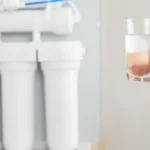
- Activated carbon filters from brands like Brita or Aquasana diminish residual chlorine and chloramine flavors.
- Reverse osmosis units lower total dissolved solids and emerging contaminants.
- Water softeners scale back the effects of calcium and magnesium on plumbing fixtures.
Choosing the right filtration system depends on personal needs. Whether it’s better taste, fewer mineral deposits, or extra peace of mind, there’s a solution. While municipal water meets basic standards, home filtration systems provide an extra layer of security. They deliver tailored outcomes that encourage healthier habits.
Effective Ways to Improve Water Quality at Home
Ensuring access to safe drinking water is achievable with simple household steps. By implementing targeted improvements, you can protect against contaminants. This supports the health of your tap water.
Installing Point-of-Use Filters
Point-of-use filters provide a direct route to better-tasting and clearer water. These devices, whether under-sink or countertop, address specific issues like sediment or odors. Many opt for filters that remove heavy metals or chlorine, ensuring water meets their standards.
Preventing Pipe Corrosion
Regular plumbing inspections are key to preventing corrosion. By maintaining pipes within the recommended pH range, you reduce the risk of degradation. This prevents the release of harmful particles. Stainless steel or PEX pipes are excellent choices for preventing rust, boosting confidence in every glass of water.
Conserving Water Responsibly
Every day, small actions can make a big difference in conserving water. Fixing leaks and using efficient fixtures are essential. These efforts help protect Lake Travis and Lake Austin from excessive withdrawals. Austin’s reports show how these mindful choices can lower utility bills and ensure water availability for the future.
Home Improvement Step | Key Benefit |
Install Filtration Devices | Eliminates taste issues and minor contaminants |
Upgrade Pipe Materials | Reduces corrosion and supports safe drinking water |
Use Water-Efficient Fixtures | Controls bills and safeguards local lake supplies |
Addressing Public Concerns and Misconceptions
When trace substances are mentioned in local reports, some residents become uneasy. It’s important to note that small amounts of total dissolved solids do not indicate unsafe water. Austin’s data shows negligible levels of PFAS, well below proposed guidelines. This reflects the city’s proactive monitoring and careful oversight.
Many people notice a faint chlorine odor, but this scent is a sign of active disinfection. It’s a measure to prevent harmful microbes. This process ensures the water is safe for consumption.
Staying informed about tap water safety can alleviate unnecessary anxiety. City officials regularly share test results to build trust and clarify findings. This approach shows that regulated contaminants rarely pose a threat when concentrations are managed.
Advances in water purification continue to shape updated standards. These standards address modern concerns effectively. This ongoing effort ensures that tap water remains safe and reliable for residents.
- Regular communication supports community knowledge
- Clear data helps clear up misconceptions about possible risks
- Protective measures reinforce the reliability of ongoing treatment
Confidence in local practices grows stronger when both science and open dialogue guide public perception.
Shaping a Healthier Future for Austin’s Water
Austin is committed to creating a resilient water system, protecting it from floods, cold snaps, and chemical threats. The city’s crews are busy updating pipes with winter protection and introducing polymer feed systems. These efforts help manage sudden runoff, ensuring tap water remains clear, even during intense storms.
Utilities across the region are on high alert for algal blooms, using advanced technology for faster testing. This proactive approach blocks harmful organisms before they reach homes. With upcoming EPA regulations on PFAS, the city may adopt new strategies, including expanded lab checks and possible upgrades. Residents can stay informed by reading public reports or requesting additional tests when necessary.
The journey towards a healthier water future relies on community support and sustainable practices. By working together, Austin is making steady progress in its water infrastructure. This dedication ensures a safer water supply for future generations.
FAQ
Does Austin’s tap water meet EPA and TCEQ standards?
Yes. Austin Water collaborates closely with the Texas Commission on Environmental Quality (TCEQ) and the Environmental Protection Agency (EPA). This ensures all treatment processes adhere to established regulations. The annual Consumer Confidence Report confirms that detected contaminant levels remain within legally permissible limits.
What are the main sources of Austin’s drinking water?
Austin mainly draws its drinking water from the Lower Colorado River, including Lake Travis and Lake Austin. While most of the supply comes from these reservoirs, some outlying areas may use groundwater or private wells.
Why is protecting tap water quality so important?
Protecting tap water quality is vital to prevent waterborne illnesses and support overall community health. It ensures vulnerable populations stay safe from contaminants like Cryptosporidium. A safe water supply also preserves vital nutrients by minimizing contamination.
What kinds of contaminants might be found in city water systems?
City water systems may contain microbial organisms, chemical residues (pesticides, industrial byproducts), and heavy metals like lead or copper. Regular testing ensures these substances remain within safe thresholds.
Does Austin’s main distribution system have lead pipes?
No. Austin has confirmed the absence of lead service lines in its public distribution network. Older household plumbing or fixtures might contain metal, so regular inspections and corrosion control are recommended.
How frequently does Austin Water test for contaminants like PFAS?
Austin Water conducts daily sampling for indicators like chlorine and microbial presence. More specialized analyses, including PFAS screening, occur under federal guidelines. This frequent testing helps detect anomalies quickly, ensuring prompt corrective measures.
Is home filtration necessary if Austin meets strict quality standards?
Many residents find additional filtration offers extra peace of mind. Filters like activated carbon reduce chlorine taste or odor, while reverse osmosis systems can lower total dissolved solids (TDS) and emerging contaminants. The right choice depends on personal preferences and specific water-quality goals.
How can homeowners help maintain water quality?
Homeowners can install point-of-use filters, prevent pipe corrosion with regular checks, and practice water conservation. Small habits like fixing leaks, using water-saving fixtures, and supporting responsible landscaping help prolong Austin’s supply and maintain distribution system resilience.
What measures is Austin taking to handle extreme weather and drought?
The city invests in resilient infrastructure, including winter-proofing pipes and upgrading water treatment equipment to handle heavy storm flows. These measures, along with consistent monitoring for drought conditions, reinforce Austin’s ability to deliver reliable and safe drinking water year-round.