
Understanding Utah’s Water Sources
Regions vary in their water sources, with some relying on snowmelt that feeds rivers and reservoirs. Others tap into underground aquifers. These sources influence the taste and quality of tap water, making each community’s experience unique.
To learn more about Utah’s water quality, residents can check system ratings. The Division of Drinking Water page offers this information. It provides details on public water systems across Utah, keeping locals informed about their water supply.
Variation of Water Sources by Region
In mountain areas, water often comes from surface flows like lakes or streams. Deserts, on the other hand, might use stored water or managed pipelines. This diversity showcases Utah’s varied terrain and climate.
Groundwater vs. Surface Water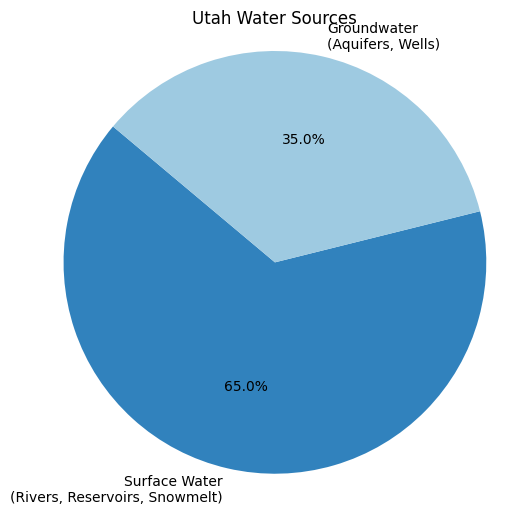
The mix of underground wells and surface runoff creates different mineral profiles. Communities with aquifers enjoy naturally filtered water. Those with fast-flowing sources get crisp water but might face sediment issues.
| Feature | Surface Water | Groundwater |
| Origin | Rivers, reservoirs, snowmelt | Aquifers below the soil |
| Mineral Content | Varies with runoff | Often holds higher mineral traces |
| Access | Channels or canals | Wells or boreholes |
The Role of Local Regulations in Water Safety
Local agencies enforce strict drinking water regulations to safeguard public health. Cities collaborate with state and federal authorities to inspect water sources. They ensure each supply meets established standards. These standards are often based on EPA guidelines, which outline acceptable limits for materials in household taps.
Monitoring Processes
Frequent sampling helps utilities detect changes before they become hazards. Technicians collect data on contaminants and test for microorganisms across various sites. Oversight occurs under consistent schedules, allowing treatment facilities to respond quickly to concerns. In some cases, residents receive alerts prompting them to boil tap water until results show it is safe again.
Water Quality Reports
The consumer confidence report, often referred to as a CCR, offers transparency by listing specifics about detected substances. It reveals levels of metals, nitrates, or other compounds that pass through local treatment systems. This document fosters trust by allowing homeowners to verify key findings and assess issues on their own. Each year, water suppliers release new reports reflecting updated test outcomes. This encourages the public to stay informed and engaged with community resources.
The Composition of Utah’s Tap Water
Utah’s tap water is a blend of minerals from rivers, reservoirs, and local sources. The presence of calcium or magnesium can affect water hardness. This results in a residue on fixtures, a common trait in the region’s water.
Some cities add fluoride to the water for dental health. This practice is widespread in areas where it’s seen as beneficial. Treatments also remove impurities and ensure clarity. These efforts help maintain a water profile that adheres to safety standards. Residents often experience unique tastes or textures, reflecting the varied composition of Utah’s tap water.
Common Contaminants to Watch Out For
Utah residents enjoy the benefit of regular water supply line testing. Despite this, certain dangers persist, such as heavy metals, microbiological contaminants, and PFAS in Utah. These substances can come from natural sources or industrial waste. Local authorities are always on the lookout to ensure the water meets health standards.
Presence of Heavy Metals
Heavy metals in water often stem from corroded pipes or outdated fixtures. Copper and lead can be harmful if their levels become too high. Regular inspections are key to catching issues before they become major problems.
Microbiological Concerns
Microbiological contaminants can enter through surface runoff or inadequate treatment. Bacteria and protozoa can cause gastrointestinal illnesses if not managed correctly. Continuous monitoring and quick action are essential to safeguard communities from outbreaks.
Chemical Additives
Some facilities use chlorine to lower pathogen levels. Others add fluoride for dental health. The presence of PFAS in Utah has led to new research and better filtration techniques. Local agencies are continually refining guidelines as they learn more about these emerging compounds.
Filtration Methods for Home Use
Some households invest in home filtration systems to reduce trace elements and improve taste. This approach targets compounds that may affect water quality in certain parts of Utah. Reverse osmosis units and activated carbon designs are known for reducing lingering odors and mineral content.
Many residents rely on water filters certified for their specific needs. Reports from local labs confirm that careful testing helps determine which method fits best. Distillation or ultraviolet treatment may suit those concerned about microbes, while carbon blocks can address chlorine residues.
Experts recommend consistent checks before making a purchase. Water purification standards often vary depending on well use or municipal sources. Utah-certified professionals offer guidance that supports informed decisions and long-term peace of mind.
- Reverse Osmosis: Removes dissolved solids with a semi-permeable membrane.
- Activated Carbon: Reduces chlorine and organic smells.
- Distillation: Boils water and condenses steam to gather fewer impurities.
- Ultraviolet Light: Neutralizes microorganisms without chemicals.
The Benefits of Drinking Tap Water in Utah
Opting for tap water brings a sense of comfort and consistency to many homes. It is sourced through dependable systems that adhere to strict safety standards. This makes it a wise choice for everyday hydration.
Cost Savings Over Bottled Water
Many people compare bottled water to tap water and find that choosing tap water can save a lot of money. Utility rates are designed to be affordable, helping families cut down on their water expenses each month. Refilling reusable bottles also promotes mindful drinking, keeping costs low.
Environmental Considerations
Switching to tap water helps reduce plastic waste, as single-use bottles require significant resources to produce. This choice supports eco-friendly water solutions, reducing pollution and preserving natural beauty. Cities often set up refill stations in public areas, encouraging the use of refillable containers over buying extra packaging.
Is Tap Water in Utah Safe?
Many local providers adhere to high standards by treating and monitoring their supplies. Each water system must share findings in a consumer confidence report. This report outlines testing practices and any concerns. It ensures tap water safety remains a priority in every community.
Official Safety Guidelines
The Environmental Protection Agency sets rules for water systems to maintain safe conditions. Regional health departments support this effort by conducting regular water testing in Utah. These checks look for harmful microbes, unwanted chemicals, and other risk factors.
Local officials emphasize swift action whenever pipelines need repairs. This proactive approach ensures the water remains safe for consumption.
Public Perception vs. Reality
Some residents worry when clarity or flavor seems off, even though lab results often show no serious threats. Taste can differ based on natural minerals in each area’s supply. Proactive efforts, such as checking official reports and using point-of-use filters, help people stay informed.
Over time, consistent data builds trust. It reminds everyone that most tap water in Utah meets reliable standards.
Seasonal Changes and Utah’s Water Quality
Utah’s temperature and precipitation shifts significantly impact drinking water quality. When mountain snow melts, treatment facilities adjust their methods. This winter runoff can increase mineral content and introduce debris. Residents may notice changes in water clarity or smell as conditions change.
The long days of sunshine in some months can lead to water quality fluctuations. Local teams then closely watch reservoirs and streams. Dry spells can concentrate minerals in lakes or rivers, prompting utilities to refine their filtration. Wet periods may bring extra silt, but systems use targeted methods to keep water safe.
Utah water sources seasonal changes demand constant monitoring by public agencies. This diligence means any taste or odor changes are usually part of the natural cycle, not a sign of contamination. Such efforts ensure that every glass of water is trusted.
| Season | Surface Observations | Utility Response |
| Winter | Increased runoff and sediment | Enhanced filtration and monitoring |
| Spring | Rising turbidity levels | Fine-tuned chemical treatments |
| Summer | Higher mineral concentrations | Regular testing for safe balance |
| Fall | Stable flow with mild changes | Ongoing quality checks |
Effects of Hard Water on Household Appliances
In homes, minerals in washing machines, dishwashers, and coffee makers can cause issues. Hard water in Utah, rich in calcium and magnesium, leaves deposits on essential parts. This buildup shortens device lifespans and increases utility bills.
Regular maintenance is needed to combat mineral buildup. It leads to clogged pipes and reduced efficiency. Owners might notice poor performance or see white deposits on faucets and showerheads. Descaling and using cleaning products to dissolve deposits are essential.
Managing Mineral Buildup
Regular checks can help manage mineral buildup. Many opt for CLR to remove limescale and prevent blockages. Water softeners also help by reducing mineral content, easing equipment strain. These actions should be done monthly or quarterly, depending on usage.
Recommended Cleaning Routine
Wiping down surfaces after each use and running descaling cycles periodically is beneficial. A mild vinegar rinse can effectively remove mineral residue, like in kettles. These practices extend device lifespans and promote cost-effective maintenance.
Understanding Water Testing Kits
Home water test kits offer a quick way to check pH, hardness, and bacterial presence. These kits are widely available at stores like Lowe’s and Home Depot. They come in two main types: color-changing strips and drop-based methods. Each type gives users a basic understanding of their water quality, helping them decide if further testing is needed.
For a more detailed analysis, many turn to Utah water testing labs. These labs conduct thorough tests for contaminants like heavy metals and chemicals. Users receive detailed reports on elements that might not be visible to the naked eye. This provides an added layer of confidence in the water quality.
| Kit Category | Main Focus | Approx. Cost |
| Basic Strip Kits | Chlorine & pH Levels | $10–$20 |
| Comprehensive Kits | Multiple Parameters | $25–$40 |
| Professional Lab Testing | Advanced Analysis | Varies by Provider |
Local Initiatives to Protect Water Resources
Utah is home to numerous programs dedicated to preserving water quality and supply. The Utah Division of Water Resources leads outreach efforts, focusing on efficient water use. Cities and towns collaborate to minimize waste and protect natural reserves.
Residents are educated on effective irrigation, drought-resistant landscaping, and proper waste disposal. The Sierra Club works with local groups to introduce new technologies that reduce water consumption. This approach ensures Utah water conservation efforts reach every corner of the state.
Community Conservation Efforts
Civic leaders champion local water initiatives that promote runoff reuse and rainwater collection. Implementing efficient irrigation systems helps communities reduce waste and maintain lush gardens. Workshops and educational fairs motivate households to make tangible changes in their water usage.
Ways to Get Involved
Engagement in community participation is essential for safeguarding Utah’s water resources. Participating in river cleanups or reporting leaks to authorities can prevent pollution. Volunteering with environmental organizations cultivates a culture of stewardship, ensuring a sustainable water future for generations to come.
Why Staying Informed Matters for Everyone
Keeping up with water education is essential for safeguarding health and the environment. Public water systems adhere to U.S. Environmental Protection Agency standards. These rules ensure tap water in Utah remains safe. By examining Consumer Confidence Reports, you gain insights into local water sources and contaminants, like PFAS or lead.
If you have concerns, reach out to your utility, local health department, or the EPA’s Drinking Water Hotline at 800-426-4791. They are ready to assist.
The Centers for Disease Control and Prevention provide detailed information on water quality. This knowledge empowers residents to make informed decisions about water usage. An educated public can advocate for better regulations and support sustainable solutions.
This collective effort fosters healthier communities and ensures a steady water supply for future generations. It’s a step towards a more sustainable future.
FAQ
Is tap water safe to drink in Utah?
Yes, most tap water in Utah meets the EPA standards under the Safe Drinking Water Act. The state’s Division of Drinking Water conducts ongoing monitoring to ensure water quality. Though generally safe, some emerging contaminants, such as PFAS, require attention in certain areas.
Where does Utah’s tap water come from?
Many regions rely on snowmelt that feeds rivers and reservoirs. Other areas draw from underground aquifers. Local taste and odor differences come from these sources and distinct mineral profiles.
How do regulations protect Utah’s tap water?
Utah’s Division of Drinking Water works with federal agencies to enforce the Safe Drinking Water Act. Public water systems undergo strict testing for microbiological contaminants, heavy metals, and more. Consumer Confidence Reports (CCR) are published annually to inform residents about their local water quality.
What should homeowners know about hard water in Utah?
Utah often has hard water, with higher levels of minerals like calcium and magnesium. This can cause limescale buildup on appliances and fixtures. Installing a water softener or regularly descale appliances can help mitigate these issues.
Does Utah’s tap water contain fluoride?
Some municipalities in Utah add fluoride to their water to support dental health. Residents can check local regulations or their CCR to see if fluoridation is practiced in their area.
What contaminants are most concerning in Utah?
A: Heavy metals like lead and copper can leach from older pipes. Microbiological contaminants (such as Cryptosporidium) occasionally emerge. PFAS and other industrial chemicals are also under increased regulatory scrutiny.
How can homeowners filter their tap water?
Options include activated carbon filters, which reduce chlorine taste and some heavy metals. Reverse osmosis systems can tackle a broader spectrum of contaminants, including PFAS. The choice depends on individual water quality concerns and budget.
Why choose tap water over bottled water?
Tap water is generally more cost-effective and subject to rigorous monitoring and treatment. Bottled water often costs more without better safety. Switching to tap water also reduces environmental impacts from single-use plastic.
What should residents do if their water tastes or smells different during seasonal changes?
Fluctuations in taste or odor often result from snowmelt runoff or reservoir turnover. Utilities modify treatment processes to maintain safety. If you notice major or persistent changes, contact the Division of Drinking Water or your local water authority.
How can local communities help protect Utah’s water resources?
By supporting watershed preservation, reporting leaks, and participating in awareness campaigns or cleanup events, residents play a vital role. Collaboration with local water authorities ensures ongoing protection for future generations.