How Seattle Sources Its Drinking Water
Seattle’s tap water originates from the Cedar River Watershed and the Tolt River Watershed. These areas are located in remote sections of the Cascade Range. Entry to these sites is strictly limited to protect the water’s purity. This restriction minimizes chemical exposure and maintains pristine conditions.
Gravity plays a significant role in transporting water through a network of tunnels. This approach reduces the need for intense pumping. Experts continuously monitor the watersheds, checking water quality and ensuring minimal ecological impact. Wildlife studies are conducted to preserve biodiversity and prevent runoff that could harm water quality. This effort results in a consistent supply of water that many find refreshing and safe.
Here’s a quick overview of the key traits that protect these valuable resources. Visitors and residents alike benefit from a stable infrastructure that ensures long-term water security. This provides greater peace of mind every day and beyond:
Source | Key Feature |
Cedar River | Limited public access to reduce pollution risk |
Tolt River | Regular water testing to maintain safety |
Why Tap Water in Seattle Is Renowned for Its Quality
Seattle’s tap water is celebrated for its refreshing taste and clear appearance. This is due to a well-managed system that ensures water quality remains high throughout the year.
The city’s dedication to each water source is a key factor. Seattle’s commitment to testing and safety measures instills confidence in its public water supply among families.
Diverse Watersheds and Their Impact
The Cedar and Tolt watersheds are vital for Seattle’s water resilience. Situated in forested areas, they minimize sediment and protect against pollutants. This diversity allows the city to rely on one source if the other is temporarily affected. The combination of natural filtration and human oversight keeps contaminants at bay, ensuring a steady supply for homes and businesses.
Filtration and Treatment Processes
Seattle’s water treatment strategy relies on multiple layers of screening and disinfection. Systems equipped with baffles and filters remove tiny particles. Following this, chlorine and UV light disinfection steps eliminate any remaining bacteria. Each step adheres to strict standards, reinforcing the trust residents have in the public water supply.
Comparing Seattle’s Drinking Water to Other Major Cities
Urban centers often rely on rivers tainted by industrial activities, impacting water taste and purity. Seattle, on the other hand, draws its water from protected mountain areas. This choice minimizes the need for harsh treatments, preserving a natural flavor.
Some areas require additional chemicals to combat harmful organisms. Such extensive processes can lead to higher levels of byproducts, raising concerns about water safety. Seattle, with its limited yet effective filtration, keeps contaminants under state and federal limits. Regular testing builds trust among residents, who prefer quality over excessive additives.
Experts rank Seattle’s tap water among the best in the US. Cities like New York City and Boston also have high-quality water. Yet, Seattle’s use of well-guarded sources gives it an advantage. This straightforward approach makes its system stand out among major cities.
- Protected watersheds often minimize pollution risks
- Careful treatment helps maintain taste and clarity
Common Concerns About Tap Safety
Many residents ponder the safety of their drinking water, given the constant news on public health issues. Seattle’s water systems have built a reputation for reliability. Yet, doubts persist about what might lurk in the pipes.
Lead contamination is a concern in older plumbing systems, where it can seep into the water. Seattle Public Utilities offers free lead testing kits to protect households. The city also takes steps to limit chemical byproducts formed when chlorine reacts with organic material. These efforts aim to mitigate long-term health risks.
Environmental Factors and Possible Contaminants
Regulators closely monitor drinking water for contaminants, ensuring it meets cleanliness standards. They track substances that can affect taste, color, or pose health risks. For more information on recognized threats, visit this official utility page to stay informed about testing practices.
- Lead in older pipes
- Chlorine byproducts from treatment
- Organic compounds influenced by watershed activity
Contaminant | Likely Source |
Bacteria | Environmental pathways |
Metals | Corroded fixtures |
Pesticides | Agricultural runoff |
Disinfection Byproducts | Reactions with treated water |
Fluoride and Other Additives in the Water
Seattle started adding fluoride to its water in 1970, following a local vote two years prior. Initially, the concentration was 1.0 parts per million. It later adjusted to 0.7 ppm, aligning with federal guidelines. This adjustment supports public health goals, aiming to reduce dental issues and promote healthy hydration in Seattle.
Agencies like the Centers for Disease Control and Prevention and the American Dental Association support fluoridation. They see it as a safe method to fight tooth decay. Seattle Public Utilities ensures fluoride in Seattle levels are within safe limits. This benefits residents, as it enhances oral health across various age groups.
Chlorine is also added in low doses to combat harmful bacteria. These water additives are strictly regulated and monitored. Treated water then moves through distribution pipes, maintaining a disinfectant effect. This effort showcases Seattle’s commitment to maintaining high quality standards for tap water users.
Testing and Monitoring Regulations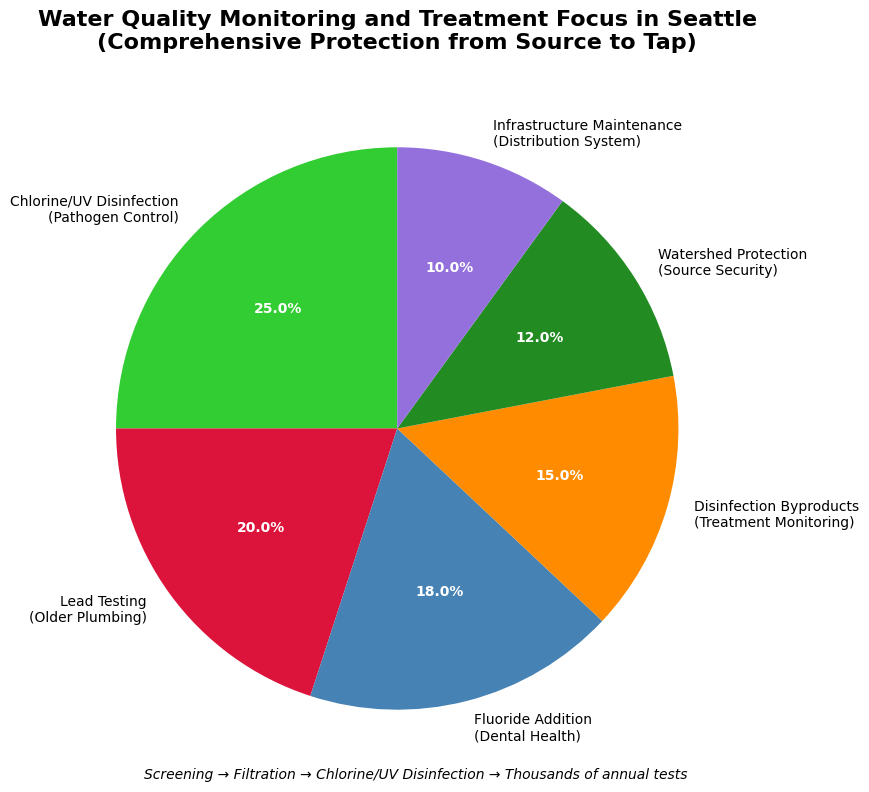
Water safety relies on ongoing oversight and scientific analysis. Public agencies adhere to strict standards to safeguard the public. They ensure each glass of water is pure and refreshing.
EPA Standards and Local Guidelines
EPA water regulations dictate the thorough evaluation of contaminants. The Safe Drinking Water Act sets limits on substances, prioritizing water quality. Local rules further guide Seattle Public Utilities, ensuring compliance with national standards.
This alignment ensures treatment processes are current and effective. It matches national benchmarks at every step.
How Often Testing Occurs
Seattle conducts water testing regularly, from reservoirs to neighborhood taps. Specialists analyze thousands of samples annually. This data is shared in Consumer Confidence Reports.
These reports detail detected elements and their amounts. This cycle of testing ensures clean water for all.
How Infrastructure Affects Water Quality
The safety of local tap water heavily relies on strategic planning and upkeep. Seattle’s water infrastructure is designed to shield the distribution system from contaminants. Planners oversee upgrades to ensure smooth flow from reservoirs to homes, reducing risks to everyday drinking water.
Maintenance teams focus on each pipeline segment, prioritizing water main maintenance. Regular inspections identify leaks, corrosion, and structural issues. This dedication ensures efficient delivery and maintains the city’s high standard for clear, fresh water.
Older homes often have pipes that can affect taste or carry trace metals. Identifying these lines early can prevent contamination and preserve water quality. Homeowners who collaborate with city initiatives are more likely to maintain robust water flows across neighborhoods.
These core components are essential for keeping city water safe and consistent.
Infrastructure Element | Primary Function | Suggested Action |
Water Mains | Transport purified supply | Periodic inspections for leaks |
Distribution Pipes | Deliver water throughout neighborhoods | Replacement of worn segments |
Home Plumbing | Routes tap flow in residences | Check connections and flush lines |
Tips for Ensuring the Best Water Taste
To enjoy a crisp, refreshing sip, follow a few essential steps. Start by running cold water for a few minutes. This helps flush out liquid in pipes, reducing stale flavors and odors. Next, remove faucet aerators and let water flow fully. This dislodges organic buildup that can affect taste.
For those looking for more, water filters can cater to personal preferences. Activated carbon products from brands like Brita or PUR often reduce chlorine. On the other hand, reverse osmosis models remove heavier contaminants. It’s critical to keep filters clean, as neglecting replacements can harm more than help. Adhere to the manufacturer’s guidelines for filter changes and schedule system flushes to combat impurities. This routine is key for anyone aiming to improve tap water taste.
Filtering Methods and Maintenance
Pitchers, under-sink attachments, and faucet-mounted devices each offer unique benefits. When choosing water filters, consider space, cost, and the contaminants you want to target. Regular cleaning and timely filter replacements are essential for maintaining efficiency. Consistent care enhances hydration by ensuring every glass is a pleasant experience.
What Visitors Should Know Before Drinking from the Tap
Seattle, a city known for its vibrant culture and natural beauty, welcomes travelers eager to explore and taste its fresh water. A visitors guide Seattle water can provide essential information for newcomers. Many find it straightforward to enjoy the city’s tap water without significant concerns. Some even run the faucet for a few seconds to enhance the taste before filling their glasses.
Short-Term Stays and Hydration
For those with short-term plans, simple hydration tips can be very helpful. Tap water in hotels or rental properties usually meets daily hydration needs. Guests can fill cups or small pitchers as needed. Regular cleaning of these containers is key to maintaining water quality.
Reusable Bottles vs. Single-Use Options
Eco-conscious travelers appreciate the cost benefits and environmental advantages of reusable bottles. These bottles are convenient to carry and align with Seattle’s eco-friendly ethos. Cafés often offer free refills, promoting sustainable practices that protect the city’s tap water resources.
Key Takeaways for Seattle Residents and Tourists
Seattle Public Utilities draws its water from mountain watersheds, ensuring it remains clean and fresh. This highlights the city’s reliance on protected sources, which minimizes the need for extensive treatment. The use of low-chlorine methods adds a layer of protection against harmful germs without altering the taste.
Many locals enjoy the natural taste of their tap water. Experts affirm that regular monitoring maintains robust safeguards. The tap water in Seattle also contains fluoride for dental health and has a balanced mineral content. Homeowners can enhance safety by replacing old pipes or using certified water filters.
Visitors frequently comment on the water’s crisp flavor, a testament to Seattle’s high water quality. The focus on infrastructure helps limit contaminants that might arise during the journey. Seattle Public Utilities encourages residents to stay informed about water reports through official channels. This ensures everyone is aware of any updates in supply or treatment methods. By adopting sustainable practices like using reusable bottles, everyone can contribute to the conservation of local resources while staying hydrated.