Understanding Denver’s Water Supply
Denver’s landscape is a key factor in its water systems. The mountains and vast river basins bring in fresh water. This water is vital for daily life and local businesses.
Water planners face challenges due to changes in precipitation and land use. They adjust strategies to meet high demand periods. Their long-term efforts protect resources and ensure water quality remains consistent.
Primary Water Sources
The Colorado high country is where Denver’s water starts. Rocky Mountain snowmelt feeds rivers and streams. Denver Water manages these systems, collecting water from the South Platte River Basin and nearby areas. This approach ensures a steady supply, benefiting both the city and surrounding communities.
Seasonal Variations in Reservoirs
Reservoir management is key to handling seasonal changes. The city monitors snowfall, rainfall, and droughts to adjust storage. Conservation efforts balance short-term needs with long-term goals. This ensures reliability, even during dry months.
Water Filtration and Treatment Processes
Many facilities use advanced water treatment methods to ensure purity. The process begins with sediment removal. Next, filters composed of sand and activated carbon capture smaller particles. A treatment process also includes regular testing to guarantee water clarity, protecting public health.
Each step in the process eliminates harmful bacteria and viruses. This ensures water quality meets regulatory standards. These methods preserve vital minerals while maintaining consistent water quality. Continuous monitoring at every stage minimizes contamination risks, ensuring safe drinking water.
Chlorine Disinfection
Chlorine or chloramine is used to kill off remaining microbes. This method has proven effective against pathogens like salmonella and E. coli. Chloramine’s longer-lasting presence helps prevent issues during water distribution.
Fluoridation and Other Additives
Fluoridation is key for dental health in both children and adults. It reduces tooth decay without affecting taste. Ongoing research confirms its safety. Some facilities use additional components to maintain pH balance, adhering to strict regulations. Fluoridation is a critical part of efforts to promote oral health.
Tap Water in Denver: Safety and Purity
Denver’s tap water adheres to the rigorous standards set by federal and state agencies. Each year, experts meticulously assess the system for harmful substances. This ensures it meets the criteria for safe drinking. A particular focus is on heavy metals, including lead, which can come from older household pipes.
Denver Water has implemented a lead reduction program to tackle this challenge. This program offers free testing kits and fixture replacements to minimize lead exposure. The goal is to keep drinking water safe for everyone in the city.
Many residents choose tap water over bottled alternatives. They trust the oversight and appreciate the reduction in plastic waste. This choice reflects a commitment to environmental sustainability and public health.
General Water Quality Standards in Colorado
In Colorado, water regulations blend federal rules with state-specific measures to safeguard public health. Local offices work hand-in-hand with environmental experts. This ensures water quality is consistent across rivers, reservoirs, and distribution points. Regular inspections and prompt reporting build trust in these standards.
The Safe Drinking Water Act serves as a cornerstone for Colorado’s water quality goals. It sets limits on contaminants. State leaders enhance these standards by pushing for more advanced testing and stricter monitoring. Public education and transparent reporting are integral parts of this strategy.
Many communities conduct their own tests to verify compliance with Colorado’s water rules. They engage in frequent sampling and unbiased assessments. This approach aligns with the Safe Drinking Water Act, creating a robust safety net for residents.
Key Standard | Oversight | Frequency of Testing |
Contaminant Level Guidelines | State Health Department | Quarterly |
Disinfection Byproduct Limits | Federal Agencies | Monthly |
pH and Turbidity Checks | Local Water Authorities | Ongoing |
Detecting Contaminants and Maintaining Safety
Denver Water conducts regular testing to tackle risks from industrial runoff and consumer waste. These efforts ensure the water meets public health standards. The work is guided by partnerships with environmental agencies.
Keeping up with contaminant control advancements is essential. This allows for quick responses to new threats. Community education is also vital, as it helps residents identify and address concerns promptly.
Common Contaminants
Hard minerals, chlorine byproducts, and PFAS are under close scrutiny. PFAS regulations influence local monitoring efforts. This aims to decrease chemical buildup over time. Experts follow strict protocols and report updates, keeping the public informed about water quality.
Home Filtration Options
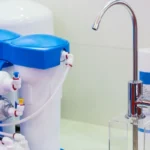
Many residents opt for home water filters as an extra safeguard. Options include activated carbon and reverse osmosis systems. Brands like Brita or Pur can improve taste and odor. More advanced filters target broader safety needs.
Choosing the right filter can offer peace of mind, whether for families in older homes or those with specific health needs. A tailored approach ensures protection.
Comparing Denver’s Water with Other Cities
Many large urban centers rely on lakes or wells for their water supply. Each location has its own unique geology and treatment methods, leading to significant differences in urban water comparisons. Some areas have more minerals, while others add substances that alter the taste. Denver is notable for its high altitude water, which comes with fewer impurities.
Regional Differences
Mountainous areas generally have cleaner water sources. Coastal cities, on the other hand, face challenges like salt intrusion and heavy runoff. Lower-lying areas are at a higher risk of pollution. The treatment methods used reflect factors such as population density, infrastructure, and local regulations.
Factors That Impact Taste
Taste variations can be attributed to minerals, pH levels, and organic content. In some places, residents notice more chlorine or a metallic taste. Denver’s water, due to its high elevation, is often crisp and well-balanced.
- Source terrain and soil composition
- Filtration methods
- Distribution system age
Tips for Residents and Visitors
Denver’s drinking water comes from mountain-fed reservoirs and rivers, thanks to Denver Water’s extensive testing. Both travelers and locals benefit from these rigorous processes. They ensure safe water consumption.
Safe Drinking Practices
By taking a few extra steps at home, you can reduce the risk of contaminants:
- Run the tap briefly before filling cooking or drinking containers.
- Use cold tap water for meals and beverages to maintain cleanliness.
- Keep filtration systems in good condition and check local advisories.
Staying Hydrated During Altitude Changes
At higher elevations, thinner air can lead to faster fluid loss. To combat this, carrying a reusable water bottle and sipping more often is key. This helps prevent altitude sickness by stabilizing circulation and reducing fatigue.
Choosing plain water over sugary drinks is also beneficial. It helps retain vital fluids, making it easier to adapt to Denver’s high-altitude environment.
Sustainability and Environmental Initiatives
Denver is dedicated to preserving its mountain regions, ensuring high-quality water at its source. Crews focus on reforestation and wildfire prevention, protecting delicate landscapes. This effort shields rivers and reservoirs from sediment and pollution, fostering local ecosystem health.
Denver Water encourages water conservation through rebates and incentives. These programs promote the use of efficient fixtures, appliances, and gardening techniques. Green infrastructure helps manage stormwater, reducing runoff and protecting the environment. By participating, residents strengthen their connection with nature and support Denver’s sustainable future.
How to Stay Informed About Local Water Alerts
Keeping communities informed about water supply and quality is essential. Timely updates help residents understand if they need to take precautions in their daily lives.
Online Resources
Denver Water updates are available on official websites. These sites offer interactive tools and real-time maps. Public notifications detail repair schedules, service announcements, and ongoing testing results.
Residents can also sign up for text messages or email bulletins. These share lab findings and emergency guidance. Such transparent updates alleviate concerns and keep everyone informed of important developments.
Community Engagement
Forums and public gatherings bring neighbors together with experts. They discuss water quality reports and upcoming infrastructure activities. This dialogue builds trust and educates residents about ongoing initiatives.
Checking local news outlets and attending neighborhood events fosters open communication. This exchange of information supports a healthy and confident community.
Local officials host workshops to address common concerns. They explain routine sampling methods and discuss water management budgets. Attendees gain insights into upcoming public projects, ensuring a secure drinking supply that meets regional needs.
Your Path to Quality Hydration in Denver
Denver Water is committed to ensuring long-term water reliability in the region. They replace outdated service lines to reduce the risk of lead contamination. Modern testing methods are used to track emerging contaminants like PFAS. This dedication to clean and safe tap water benefits everyone.
Conservation efforts are driven by a sense of local stewardship, aiming to protect resources for future generations. Public involvement shapes water-use habits, supporting projects that safeguard Denver’s watersheds. This collective effort ensures a steady supply of water for taps and fountains citywide.
City planners are developing future water strategies to meet the challenges of climate change and population growth. They focus on making treatment processes and storage facilities more resilient. With ongoing awareness, residents and visitors can rely on Denver’s tap water, enjoying consistent quality and contributing to a sustainable water supply for years to come.