Overview of California’s Tap Water Safety
Approximately 98% of Californians enjoy tap water that meets state standards. Yet, over 735,000 people rely on nearly 400 failing water systems. These systems, mainly in Latino farm communities, have violated standards for harmful contaminants. Over 220 failing systems, affecting nearly 500,000 people, contain arsenic, nitrate, and 1,2,3-trichloropropane (1,2,3-TCP).
The state has allocated over $1 billion in grants to help disadvantaged communities with california drinking water contamination. Despite this, ensuring safe drinking water for all Californians is estimated to cost around $16 billion. Currently, the state water board has only $2 billion for grants and $1.5 billion for loans, highlighting the need for more funding.
Communities of color face a higher risk of unsafe drinking water, with a 4.4 times higher chance of groundwater contamination. For instance, Allensworth, with a 93% Latino population, has struggled with arsenic contamination for decades. The Central Coast region, including San Lucas, relies heavily on groundwater, with farms exceeding safe nitrogen waste levels.
| Statistic | Value |
|---|---|
| Californians served by water systems meeting state standards | 98% |
| People served by failing water systems | Over 735,000 |
| Number of failing water systems | Nearly 400 |
| Failing systems with contaminants linked to serious health problems | 75% |
| People served by systems contaminated with arsenic, nitrate, and 1,2,3-TCP | Nearly 500,000 |
| Projected cost to ensure safe drinking water for all Californians | $16 billion |
Progress has been made in improving california tap water quality, with nearly 1 million more Californians having access to safe drinking water in the last five years. Yet, there is much more to be done. Continued efforts and investments are essential to address the california water safety overview. This will ensure that all residents, regardless of location or socioeconomic status, have access to clean and reliable tap water.
Sources of California’s Tap Water
California’s tap water comes from both surface water and groundwater. Surface water, like reservoirs and the Colorado River, is key for drinking water. Yet, transporting this water can risk its quality, leading to contamination.
Groundwater is also vital for tap water. Sadly, groundwater contamination is a big problem, mainly in rural areas. Years of farming have left nitrates and pesticides in many california groundwater sources.

Surface Water Sources
California depends heavily on surface water for drinking. Some major california surface water sources include:
- Reservoirs: These man-made lakes hold water from rivers and streams for later use.
- Colorado River: This major river provides water to many California cities and farms.
- Sierra Nevada Mountains: Snowmelt from these mountains feeds many rivers and reservoirs.
Though vital, surface water is at risk of contamination. This can come from urban runoff, agricultural pollution, and industrial waste.
Groundwater Sources
Groundwater is also a critical source of tap water, more so in areas with little surface water. Yet, california groundwater sources face big challenges due to contamination.

In rural areas, farming for decades has polluted groundwater with nitrates and pesticides. This california water sources contamination is a serious health risk for those drinking from it.
| Contaminant | Source | Health Effects |
|---|---|---|
| Nitrates | Agricultural fertilizers | Methemoglobinemia (blue baby syndrome) |
| Pesticide residues | Agricultural pesticides | Various acute and chronic health problems |
Fixing groundwater contamination is hard and expensive. It needs work from state agencies, local water districts, and farmers to find lasting solutions and keep people safe.
Water Treatment Processes in California
To ensure the safety and quality of drinking water, California employs a range of water treatment processes. The Field Operations Branch (FOB) oversees approximately 7,500 public water systems across the state. These processes aim to remove contaminants, enhance taste and odor, and adhere to strict regulations.

Filtration Methods
California water filtration methods focus on removing suspended solids, microorganisms, and other impurities. Techniques include slow sand filtration, rapid sand filtration, membrane filtration, and activated carbon filtration. The choice of method depends on the water source and contaminants present.
- Slow sand filtration
- Rapid sand filtration
- Membrane filtration (e.g., microfiltration, ultrafiltration, nanofiltration, and reverse osmosis)
- Activated carbon filtration
Membrane filtration excels at removing dissolved solids, while activated carbon is best for organic compounds and taste/odor improvement.

Disinfection Techniques
California water disinfection techniques are essential for microbiological safety. Common methods include chlorination, chloramination, and ultraviolet (UV) irradiation. Chlorination is used during warmer months to combat bacterial growth. Chloramination provides longer-lasting disinfection. UV irradiation is an environmentally friendly option.
| Disinfection Method | Description |
|---|---|
| Chlorination | The addition of chlorine to water to inactivate harmful microorganisms, particular during warmer months when bacterial growth is more prevalent. |
| Chloramination | The use of chloramine, a combination of chlorine and ammonia, as a longer-lasting disinfectant to maintain water quality throughout the distribution system. |
| Ultraviolet (UV) irradiation | The exposure of water to UV light to inactivate microorganisms without the use of chemicals, making it an environmentally friendly option. |
The selection of disinfection technique is based on water quality, system size, and treatment goals. California water disinfection techniques are closely monitored to ensure effective microbial control while minimizing the formation of harmful byproducts.
Common Contaminants in California Tap Water
California’s tap water is generally safe, with about 98% of the population served by systems meeting state standards. Yet, nearly 400 water systems serving over 735,000 people fail to meet these standards. Common contaminants include arsenic, nitrates, 1,2,3-trichloropropane (1,2,3-TCP), and lead.
Arsenic
Arsenic in California tap water comes from naturally occurring sources like rocks and soils. Groundwater over-pumping can increase arsenic levels, posing health risks. For example, Allensworth, with a predominantly Latino population, has been working for over a decade to install a new well to address arsenic contamination.
Nitrates
Nitrates in California drinking water often come from agricultural practices, such as crop fertilizers. The Central Coast region, including San Lucas with about 300 residents, relies heavily on groundwater. Farms in this area release nitrogen waste at rates significantly above safe levels, causing occasional spikes in nitrate levels that can double the state’s limit.
1,2,3-Trichloropropane (1,2,3-TCP)
1,2,3-trichloropropane in California water is a legacy contaminant from past pesticides. Pixley, with a population of about 3,800, has seen elevated levels of 1,2,3-TCP. In 2021, Pixley received $11.5 million from pesticide manufacturers to settle a lawsuit over water contamination. Fresno also received $230 million in a similar case.
Lead
Lead in California tap water can occur due to aging infrastructure, affecting older homes and water systems. While less common than other contaminants, lead contamination remains a public health concern.
| Contaminant | Source | Affected Communities |
|---|---|---|
| Arsenic | Naturally occurring in rocks and soils | Allensworth |
| Nitrates | Agricultural practices, crop fertilizers | San Lucas, Central Coast region |
| 1,2,3-Trichloropropane (1,2,3-TCP) | Legacy pesticides | Pixley, Fresno |
| Lead | Aging infrastructure | Older homes and water systems |
California Water Safety Standards and Regulations
California leads the nation with its strict california drinking water regulations. The california water quality standards are set by the california safe drinking water act. This act sees clean drinking water as a basic human right.
The state has set strict limits for pollutants like arsenic, nitrates, and 1,2,3-Trichloropropane (1,2,3-TCP). These limits are tighter than federal standards. For example, California’s limit for hexavalent chromium is 10 parts per billion (ppb). This is 500 times higher than what health assessments suggest is safe.
When water providers break these rules, they must inform residents and fix the issue. Yet, 386 water systems in California are failing. These systems serve over 736,000 people who don’t get safe drinking water. It’s estimated that $16 billion is needed over five years to fix this problem.
| Contaminant | California MCL | Federal MCL |
|---|---|---|
| Arsenic | 10 ppb | 10 ppb |
| Nitrate (as nitrogen) | 10 mg/L | 10 mg/L |
| 1,2,3-Trichloropropane (1,2,3-TCP) | 0.005 ppb | No federal MCL |
Over 98% of Californians have access to safe drinking water. But, about 750,000 people, mostly in small, rural communities of color, face water quality issues. The Safe and Affordable Drinking Water Fund has helped, reducing the number of affected people from 1.6 million to 750,000.
California is tackling water quality problems head-on. It’s increasing PFAS testing in disadvantaged communities. The state also plans to follow new EPA rules for PFAS, set to start in April 2024. With these efforts, California aims to provide safe drinking water to all its residents.
Is California Tap Water Safe to Drink?
In California, while most people have access to safe drinking water, some communities face ongoing contamination issues. These problems are more prevalent in rural and agricultural areas. About 98% of Californians get their water from systems that meet state standards. Over 400 large urban water utilities serve more than 90% of the state’s residents.
Nearly 2,500 smaller utilities, though, serve rural communities. Around 735,000 people rely on nearly 400 water systems that do not meet state requirements for safe drinking water.
Recent data shows that over 75% of failing water systems in California have violated state or federal standards. These violations are linked to serious health problems. Contaminants like arsenic, nitrate, and 1,2,3-trichloropropane (1,2,3-TCP) affect more than 220 failing systems, impacting nearly 500,000 people.

Communities like Pixley, Allensworth, and San Lucas have struggled with contaminants. These include 1,2,3-TCP, arsenic, and nitrate, with levels sometimes exceeding state health limits. Concerns about the safety of drinking California tap water persist in these areas.
To address these issues, state agencies and local water districts are working on infrastructure improvements. They are also funding programs and exploring long-term solutions. This includes consolidating smaller water systems with larger, more reliable ones. Ensuring safe and reliable drinking water for all Californians is estimated to cost about $16 billion.
Currently, the state water board projects only $2 billion available for grants and $1.5 billion for loans. Residents in affected areas often rely on bottled water or filtration systems for their daily needs.
Basic water quality testing can cost between $35 to $400, depending on the type of testing required. It should be performed by an Environmental Lab Accreditation Program (ELAP) certified laboratory. Water testing strips for home use cost around $15, while more extensive lab tests range from approximately $100 to over $1,000.
Despite the challenges, progress has been made in recent years. Nearly 1 million more Californians have access to safe drinking water than five years ago. The Safe Drinking Water Act (SDWA) regulates drinking water quality in the U.S., including California. Consumer Confidence Reports (CCR) are required annually by the U.S. EPA to provide accurate water quality information to the public.

Health Risks Associated with Contaminated Tap Water
Drinking contaminated tap water can pose serious health risks to California residents. The Environmental Protection Agency (EPA) reports that about 21 million people in the U.S. were exposed to tap water that violated federal guidelines in 2015. Latino and Black communities in California face a higher cancer risk from their drinking water.
The health effects of consuming contaminated water can be both short-term and long-term. Short-term health effects may include:
- Gastrointestinal issues, such as nausea, vomiting, and diarrhea
- Skin irritation and rashes
- Eye and respiratory tract irritation
- Headaches and dizziness
Long-term Health Consequences
Long-term exposure to contaminants in tap water can lead to severe health consequences. Some of the most common contaminants and their associated health risks include:
| Contaminant | Maximum Contaminant Level (MCL) | Health Risks |
|---|---|---|
| Arsenic | 0.010 mg/L | Skin damage, circulatory problems, increased cancer risk |
| Nitrates | 10 mg/L | Infants below 6 months: shortness of breath and blue-baby syndrome |
| 1,2,3-Trichloropropane (1,2,3-TCP) | 0.000005 mg/L | Increased cancer risk |
| Lead | 0.015 mg/L (action level) | Delays in physical or mental development in children; kidney problems and high blood pressure in adults |
Other long-term health consequences of consuming contaminated water may include:
- Developmental issues in children
- Reproductive problems
- Liver, kidney, and nervous system damage
- Increased risk of various types of cancer
Pregnant women, infants, and individuals with compromised immune systems are most vulnerable to the health risks associated with contaminated water. It is essential for California residents to understand the short-term and long-term health effects of contaminated tap water. They should take necessary precautions to ensure their drinking water is safe.
California Communities Affected by Unsafe Tap Water
California is famous for its stunning beaches and landscapes. Yet, many communities face the harsh reality of unsafe tap water. From rural agricultural areas to low-income neighborhoods, residents struggle daily to access clean water.
In the San Joaquin Valley, the heart of California’s agriculture, rural communities suffer from groundwater contamination. Pesticides and fertilizers, essential for farming, have polluted the water supply. Residents often buy bottled water or use temporary solutions like water tanks and filters, waiting for long-term solutions.
Rural and Agricultural Areas
The Central Coast, known for its fertile soil and agriculture, also faces water contamination challenges. Nitrates from fertilizers and animal waste have contaminated the groundwater. This poses serious health risks, mainly to infants and pregnant women, underscoring the need for effective water treatment.
| Region | Primary Contaminants | Health Risks |
|---|---|---|
| San Joaquin Valley | Pesticides, Fertilizers | Cancer, Developmental Issues |
| Central Coast | Nitrates | Blue Baby Syndrome, Pregnancy Complications |
Low-income Neighborhoods
Low-income neighborhoods in California also face significant water quality issues. These communities, often populated by people of color, deal with aging infrastructure and limited resources. Lead contamination from old pipes and fixtures is a major health risk, affecting children most. The lack of investment in water treatment facilities in these areas perpetuates inequality, leaving residents with unsafe tap water.
California must prioritize the health and well-being of all its residents. It’s essential to address contamination causes, invest in infrastructure, and ensure equitable access to clean water. A collaborative effort is needed to guarantee every community, regardless of location or socioeconomic status, has access to safe drinking water.
Efforts to Improve Tap Water Quality in California
California is actively addressing the tap water quality issue with various initiatives and funding programs. The state aims to provide safe drinking water for all, as nearly 400 water systems fail to meet standards. This affects about 771,000 people, with 1.8 million more at risk.
The Safe and Affordable Drinking Water Fund supports disadvantaged communities with grants and loans for water projects. This fund targets communities most impacted by unsafe water, with over two-thirds of failing systems serving communities of color.
State Initiatives and Funding Programs
The California State Water Resources Control Board is working to enhance california tap water quality through initiatives and funding. The state has allocated significant funds to fix failing water systems, estimated at $16 billion over five years. Yet, current funding is short, with local communities facing a $13.9 billion gap without state or federal support.
Despite challenges, progress has been seen. From 2017 to 2023, 283 systems were removed from the failing list, benefiting 700,000 more people. The state has also prioritized funding for water projects, with nearly $225 million from cap and trade proceeds included in the budget.
Local Water District Improvements
Local water districts across California are also upgrading their systems and technologies. These local water district upgrades are essential for ensuring safe drinking water for all Californians.
Yet, the cost of these upgrades is a significant challenge. Smaller systems often charge more, with 13% facing affordability burdens. This makes it hard for them to invest in upgrades without support.
The water board aims to cover about $2 billion of the $15.9 billion cost with grants. This highlights the need for continued california safe drinking water funding. By investing in water infrastructure and supporting local districts, California can ensure safe tap water for all.
Alternatives to Tap Water in California
In California, many are looking for safe drinking water alternatives due to tap water concerns. These options might offer temporary relief but don’t solve the contamination problems at their core.
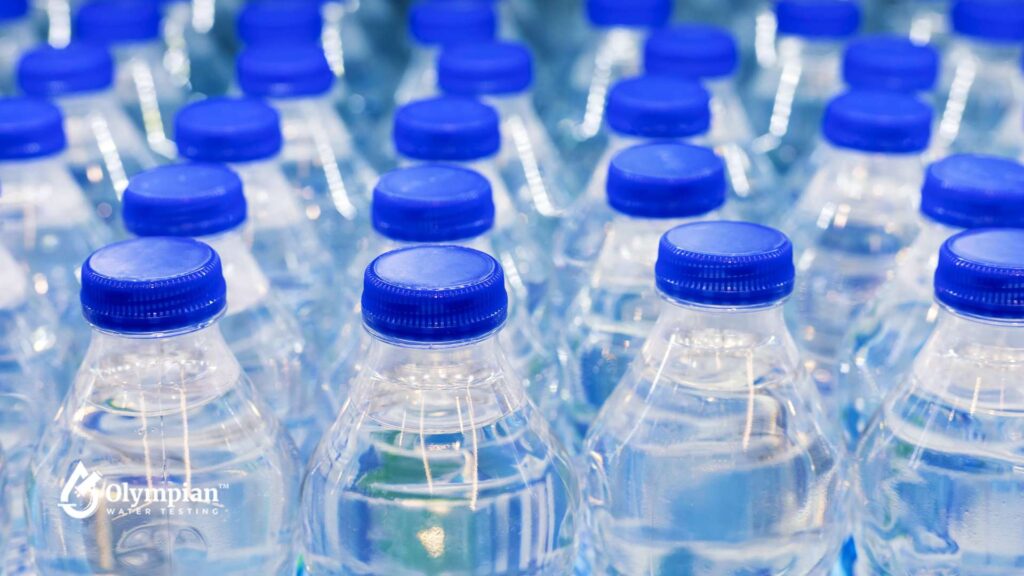
Bottled water is a common choice, often used in areas hit by wildfires. Yet, it’s pricey and harmful to the environment, with millions of plastic bottles discarded yearly.

Filtered Water Systems
Californians also turn to water filtration systems as a solution. These home-based systems can clean water, improving its taste and smell. They come in various types, such as:
- Reverse osmosis systems
- Activated carbon filters
- UV light filtration
- Water softeners for areas with hard water
While these systems can enhance water quality, they don’t tackle the contamination’s root causes. This is a challenge for low-income families, who struggle to afford these systems.
Bottled Water
Bottled water remains a favorite, despite its drawbacks. California leads the U.S. in bottled water consumption. Recent statistics show:
| Year | Bottled Water Consumption (in millions of gallons) |
|---|---|
| 2018 | 7,382.4 |
| 2019 | 7,530.1 |
| 2020 | 7,678.5 |
As Californians seek better water options, it’s vital for governments to focus on long-term solutions. This includes upgrading infrastructure, enforcing stricter water quality standards, and tackling contamination sources directly.
How Californians Can Ensure Safe Drinking Water at Home
As a California resident, you can take proactive steps to ensure safe drinking water in your home. While 98% of the state’s population receives water from sources meeting drinking water standards, approximately 913,000 Californians rely on public water systems that fail to comply with regulations. To protect your family’s health and well-being, consider the following measures for california home water safety.
First and foremost, have your tap water tested for contaminants. You can contact your local water provider or a certified laboratory to arrange for testing california tap water. This will provide you with a clear understanding of any issues and help you determine the most appropriate course of action.
Based on the test results, you may need to install a suitable filtration system. There are various options available, including:
- Activated carbon filters
- Reverse osmosis systems
- UV disinfection units
- Water softeners
Each type of filter targets specific contaminants, so consult with a professional to select the best solution for your home’s needs.
Stay informed about your local water quality by regularly reviewing reports from your water provider. These reports, often available online or by request, detail the levels of contaminants detected and any violations of drinking water standards. By staying educated, you can make informed decisions about ensuring safe drinking water california.
| Statistic | Value |
|---|---|
| Californians depending on failing public water systems | 913,000 |
| Californians relying on at-risk water systems | 1.8 million |
| Estimated cost to achieve safe water for all Californians (5 years) | $16 billion |
In addition to individual actions, support local initiatives and advocate for policies that prioritize safe and affordable drinking water for all communities. The State Water Resources Control Board has provided over $831 million in grants for drinking water projects in disadvantaged communities, helping to bring safe tap water to millions of Californians. Yet, with an estimated $13.9 billion needed to achieve the human right to water in California, continued efforts are essential.
By taking a proactive approach to california home water safety, testing your tap water, installing appropriate filtration systems, staying informed, and supporting local initiatives, you can help ensure that you and your loved ones have access to safe, clean drinking water.
The Future of California’s Tap Water Safety
California’s commitment to ensuring safe tap water for all residents is unwavering. The Safe Drinking Water Act (SDWA) is set to celebrate its 50th anniversary in 2024. The state has made significant strides in improving access to clean drinking water. Over 98% of Californians now have access to water systems that meet state and federal standards.
This progress is largely due to the Safe and Affordable Drinking Water Fund. It has provided over $1 billion in grants through the SAFER program. Despite this, approximately 750,000 people, mainly in small, rural communities of color, lack reliable access to safe drinking water.
To address this, the state is focusing on long-term solutions. It includes investing in infrastructure upgrades and implementing stricter regulations on polluting industries. Sustainable water management practices are also being promoted. The Environmental Laboratory Accreditation Program (ELAP) has certified over 500 labs for testing water samples, with about 400 focused on drinking water.
PFAS contamination in California’s tap water is a growing concern. Nearly 12 million Californians are exposed to tap water with PFAS contamination. This has been linked to serious health issues like cancer and cardiovascular diseases. In response, the EPA introduced new national rules for PFAS in April 2024, which California plans to implement.
The State Water Board is increasing PFAS testing in disadvantaged communities. This is part of its commitment to public health and equity.
| Initiative | Impact |
|---|---|
| Safe and Affordable Drinking Water Fund | Provided over $1 billion in grants, reducing the number of people without safe drinking water from 1.6 million to 750,000 |
| Environmental Laboratory Accreditation Program (ELAP) | Certified over 500 labs for water testing, with about 400 focused on drinking water |
| EPA’s new national rules for PFAS (2024) | California plans to implement these rules to address PFAS contamination affecting nearly 12 million residents |
| Bipartisan Infrastructure Law | Includes $21 billion to help upgrade drinking water systems with technologies that protect against PFAS exposure |
While California currently lags behind at least 11 other states in regulating PFAS, the passage of A.B. 794 is projected to help prevent thousands of deaths and serious illnesses related to PFAS exposure. As climate change and population growth put additional stress on California’s water resources, it will be essential to prioritize the protection and equitable distribution of safe drinking water. Ensuring a healthier future for all Californians will depend on this.
Additional Resources for California Residents Concerned about Tap Water Quality
For California residents looking into california tap water quality resources, several organizations offer valuable insights. The California State Water Resources Control Board provides detailed data on water safety standards and testing results. Local water districts, like the Los Angeles Department of Water and Power, issue specific advisories and updates, even during emergencies like wildfires.
Non-profit organizations, such as the Environmental Working Group and the Community Water Center, focus on california water safety information. They advocate for clean, affordable drinking water. These groups offer educational materials, policy analysis, and community outreach programs to raise awareness and promote solutions. They work closely with local communities, focusing on rural and low-income areas, to improve access to safe drinking water.
California residents can also find resources from california drinking water organizations like the Association of California Water Agencies. These professional associations offer industry expertise, technical support, and policy recommendations. By engaging with these organizations, residents can stay updated on water quality management and advocate for improvements.
Ensuring safe tap water for all Californians requires collaboration among state agencies, local water districts, non-profit organizations, and residents. By accessing available resources, participating in community discussions, and supporting initiatives, Californians can actively promote clean, reliable, and affordable drinking water for everyone in the state.