Understanding PFAS Contamination in the Hudson River
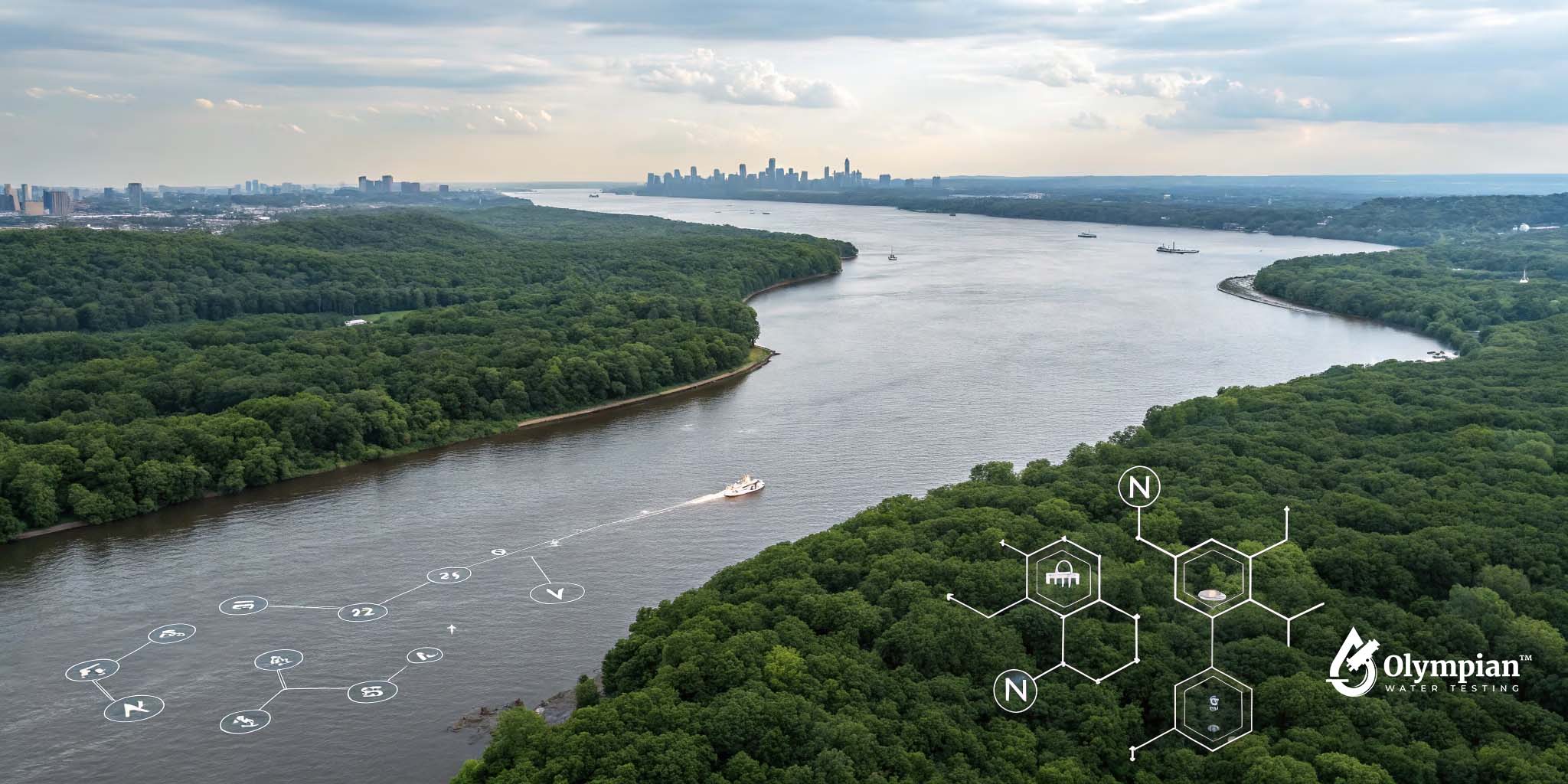
The Hudson River, a vital waterway in New York, faces a significant environmental challenge due to the presence of per- and polyfluoroalkyl substances (PFAS). These man-made toxic chemicals have been detected in alarming levels. This raises concerns about the health and well-being of local communities and ecosystems.
What are PFAS?
PFAS are synthetic chemicals known for their water and oil-repellent properties. They have been widely used in various industrial and consumer products, such as non-stick cookware and stain-resistant fabrics. Unfortunately, these chemicals are highly persistent in the environment and can accumulate in the bodies of humans and wildlife over time.
Sources of PFAS Contamination in the Hudson River
One of the primary sources of PFAS contamination in the Hudson River is the Stewart Air National Guard Base. The base has a history of using PFAS-containing firefighting foams during training exercises and emergency responses. As a result, these toxic chemicals have leached into the surrounding soil and groundwater, eventually making their way into the river through runoff and other pathways.
The impact of PFAS contamination is severe in the City of Newburgh, located along the Hudson River. The city’s primary drinking water source, Washington Lake, has been contaminated by PFAS originating from the nearby military base. This has led to a public health crisis, with residents exposed to elevated levels of these harmful substances.
| Location | Year | PFOS and PFOA Levels (ppt) |
|---|---|---|
| Hancock Field Air National Guard Base | 2019 | 139,500 |
| Niagara Falls Air Reserve Station | 2018 | 1,310,000 |
| Griffiss Air Force Base | 2018 | 28,100 |
| Seneca Army Depot | 2018 | 89,000 (PFOA) |
| Gabreski Air National Guard Base | 2019-2020 | 220,000 (PFOA) |
Recent sampling efforts from 2021-2022 have detected PFAS in all of New York’s Great Lakes, with the highest levels found in Lake Ontario. This widespread contamination highlights the urgent need for cleanup and remediation efforts. It is essential to protect the health of both human populations and aquatic ecosystems.
Newburgh PFAS Drinking Water Contamination
The City of Newburgh, nestled in the Hudson River Valley, faces a critical drinking water crisis due to PFAS contamination. The State of Emergency was declared in June 2016. Ever after, Newburgh has relied on temporary sources like Brown’s Pond and the Catskill Aqueduct. Its main reservoir, Washington Lake, is tainted with PFAS compounds.

Stewart Air National Guard Base as a Source of PFAS
The Stewart Air National Guard Base, a New York State Superfund Site as of August 2016, is a major source of PFAS pollution. PFAS, including PFOS and PFOA, were used in firefighting foams before a 2024 ban. Despite efforts, the base continues to release PFAS into the environment. Its State Pollution Discharge Elimination System (SPDES) permits are up for renewal.
The Interim Storm Water Treatment System at Recreation Pond is designed to handle PFAS-contaminated stormwater from the base. It has limited capacity, failing during heavy rains. Experimental treatments, like Fluoro-sorb mats, are being tested by the New York State DEC in Westchester County for further remediation.
Health Risks Associated with PFAS Exposure
The CDC and ATSDR conducted exposure assessments in Newburgh, testing blood and urine for PFAS. The findings showed three PFAS compounds (PFHxS, PFOS, and PFOA) were present at levels above national averages. This raises concerns about long-term health impacts.

PFAS are recognized as emerging contaminants in drinking water. They have been linked to various health risks, including:
- Increased risk of certain cancers
- Immune system dysfunction
- Thyroid disorders
- Developmental issues in children
As our understanding of cumulative risks from low-level exposure to multiple contaminants grows, Newburgh remains committed to clean drinking water. The Restoration Advisory Board (RAB), established in early 2020, advises on environmental cleanup and community involvement. The next RAB meeting is set for November 13, 2023.
Cleanup Efforts for PFAS in the Hudson River
Following the discovery of PFAS contamination in the Hudson River, near the Stewart Air National Guard Base, cleanup efforts are in motion. The base was designated as a New York State Superfund site in August 2016. This move places it under the NYS Superfund Program for investigation and cleanup. The Superfund designation ensures that responsible parties will fund the cleanup under Superfund law.
Monitoring programs have been set up to track PFAS and other contaminants in the river’s water and sediment. Specific PFAS levels in water samples have been recorded, with some sites exceeding health advisory limits. Continuous monitoring is essential to gauge the success of cleanup efforts and protect water quality.
Superfund Designation and Remediation Funding
The Superfund designation for the Stewart Air National Guard Base has been key in securing funding for cleanup. Under Superfund law, responsible parties must cover the costs of hazardous waste site cleanup. This approach ensures that the financial responsibility for addressing PFAS contamination rests with those responsible, not taxpayers.
Restoration Advisory Board (RAB) Involvement
In 2020, a Restoration Advisory Board (RAB) was established to offer advice on cleanup activities and foster community involvement. The RAB acts as a platform for stakeholders, including local residents, environmental organizations, and government officials. They collaborate on remediation strategies and share updates on cleanup progress.
The RAB’s role is critical in ensuring transparency and accountability in the remediation process. By engaging the community in decision-making and providing regular updates, the RAB builds trust and support for addressing PFAS contamination in the Hudson River.
| Contaminant | Concentration Range (ppt) | Health Advisory Limit (ppt) |
|---|---|---|
| PFOA | 10-100 | 70 |
| PFOS | 20-150 | 70 |
| PFNA | 5-50 | 13 |
| PFHxS | 15-80 | 140 |
Table: PFAS concentrations in the Hudson River compared to health advisory limits. (ppt = parts per trillion)

Community Advocacy for Clean Drinking Water
Grassroots groups like the Newburgh Clean Water Project have become key advocates for clean drinking water. They fight for safe drinking water, health resources for PFAS and lead exposure victims, and watershed restoration. These efforts are critical for the community’s well-being.
The Bipartisan Infrastructure Law (BIL) offers hope with its $15 billion for lead pipe replacement. Poughkeepsie is set to replace lead pipes with nearly $12 million, while Orange County will get over $9 million for water projects. Smaller towns like Middletown, Cornwall-on-Hudson, Millerton, and Warwick also received funding.
With 100,000 people relying on the Hudson River for drinking water, these investments are vital. New York State will get at least $450 million for water projects from the BIL. This is a lifeline for communities facing PFAS contamination.
| Community | Funding Received | Purpose |
|---|---|---|
| Poughkeepsie | $12 million | Lead pipe replacement |
| Orange County | $9 million | Water infrastructure projects |
| Middletown, Cornwall-on-Hudson, Millerton, and Warwick | $1 million | Water infrastructure projects |
Grassroots groups must keep advocating for their communities. Funding for watershed restoration and health resources is essential. By working together, they can ensure a cleaner, healthier future for the Hudson River and its dependents.
Current State of PFAS in the Hudson River
The Hudson River, a vital waterway in New York, faces ongoing challenges from per- and polyfluoroalkyl substances (PFAS) contamination. Despite the Stewart Air National Guard Base being designated a New York State Superfund Site in 2016, PFAS discharges remain a concern. This affects both the surrounding communities and the ecosystem.
The Delaware River Basin Commission’s PFAS Water Quality and Fish Tissue Assessment reveals the extent of PFAS contamination. The study found PFAS compounds undetectable in the Lehigh River’s surface water and sediment. Yet, concentrations rose downstream towards Delaware Bay, influenced by population and industrial activity.
The Hudson River’s PFAS situation is further complicated by the renewal of the site’s State Pollution Discharge Elimination System (SPDES) permits. Organizations like Clearwater are pushing for faster cleanup timelines and an end to PFAS discharges from the base. This is part of the ongoing remedial investigation.
Ongoing PFAS Discharges and Contamination
Despite the Superfund designation, PFAS discharges from the Stewart Air National Guard Base continue to harm the Hudson River and its tributaries. The ongoing contamination raises questions about the effectiveness of current containment and treatment measures.
Calls for Expedited Cleanup Timelines
Environmental organizations and community advocates are urging for quicker cleanup timelines to address PFAS contamination in the Hudson River. They stress the urgency of swift action to safeguard public health and restore the ecosystem’s integrity. By speeding up the remedial investigation and implementing effective strategies, stakeholders aim to lessen PFAS’s long-term effects on the river and its communities.
Proposed Solutions to Address PFAS Contamination
The Hudson River faces ongoing PFAS contamination, prompting various solutions to improve water quality and public health. These efforts aim to tackle contamination sources and prevent further PFAS spread in the river and nearby communities.
Increasing Stormwater Treatment Capacity
To combat PFAS, increasing the Interim Storm Water Treatment System’s capacity is proposed. Expanding this system will enhance its ability to store and treat contaminated stormwater. This improvement will help remove PFAS chemicals before they reach the Hudson River.
Slip-lining Stormwater Pipes
Slip-lining stormwater pipes is another strategy. This involves inserting a smaller pipe inside an existing one, creating a barrier against contaminated groundwater. This method can significantly reduce PFAS-laden water entering the river through stormwater discharges.
Ending Stormwater Diversions
Stormwater diversions from Route 17K properties are identified as a PFAS contamination source. Ending these diversions and redirecting stormwater to treatment facilities will greatly reduce PFAS entering the river.
Exploring Experimental Stormwater Treatments
Researchers are exploring innovative treatments for PFAS in stormwater. One such experimental treatment is Fluoro-sorb mats, designed to absorb PFAS chemicals. Though in the testing phase, these mats show promise in combating PFAS contamination.
| Solution | Description | Benefits |
|---|---|---|
| Increasing Stormwater Treatment Capacity | Expand water storage and filter capacity of Interim Storm Water Treatment System | Removes PFAS chemicals before water enters the Hudson River |
| Slip-lining Stormwater Pipes | Install smaller diameter pipes inside existing pipes to block contaminated groundwater | Reduces the amount of PFAS-laden water entering the river through stormwater discharges |
| Ending Stormwater Diversions | Redirect stormwater from properties along Route 17K to treatment facilities | Reduces the amount of PFAS entering the river from identified sources |
| Exploring Experimental Stormwater Treatments | Test innovative solutions like Fluoro-sorb mats to absorb and filter PFAS chemicals | Shows promise as a potentially effective tool against PFAS contamination |
PCB Contamination and its Impact on the Hudson River Ecosystem
The Hudson River has been contaminated with polychlorinated biphenyls (PCBs) for decades. This is mainly due to General Electric’s release of millions of pounds of these toxic chemicals between 1947 and 1977. This legacy contamination poses significant risks to both human health and wildlife in the region.
Toxic Legacy of PCBs in the Hudson River
Despite removing about 2.75 million tons of contaminated sediment from the upper Hudson River through dredging between 2009 and 2015, PCBs’ impact remains. The EPA’s Final Third Five-Year Review, released on January 17, 2025, highlighted the need for more data to assess cleanup effectiveness. An independent review by the Friends of a Clean Hudson coalition in November 2023 concluded that the dredging remedy is failing to protect human and environmental health.
Risks to Human Health and Wildlife
PCBs pose significant risks to wildlife in the Hudson River ecosystem. Fish species experience reproductive viability issues and biochemical changes at PCB concentrations of less than 1 ppm. Snapping Turtles in the Upper Hudson River have a 60% higher egg mortality rate associated with PCB concentrations in their eggs. The process of bioaccumulation and biomagnification allows these toxic chemicals to concentrate in the bodies of organisms higher up the food chain.
Human health is also at risk due to PCB exposure. These chemicals are probable carcinogens and are linked to various health effects, including reproductive risks. Pregnant women and unborn children are most vulnerable. Current fish consumption advisories remain in place for 200 miles of the Hudson River, with women under 50 and children warned against eating fish from the river.
| Species | Impact of PCBs |
|---|---|
| Fish | Reproductive viability issues and biochemical changes at concentrations < 1 ppm |
| Snapping Turtles | 60% higher egg mortality rate associated with PCB concentrations in eggs |
| Humans | Reproductive risks, including preterm birth and lower IQ in children |
Ongoing Efforts to Address PCB Contamination
The Hudson River has faced a toxic legacy from polychlorinated biphenyls (PCBs) for decades. General Electric released millions of pounds of these harmful chemicals into the river from 1947 to 1977. This contamination has severely impacted the ecosystem, wildlife, and human health.
Dredging and Remedial Efforts
Efforts to clean up the PCB contamination included targeted sediment removal through dredging from 2009 to 2015. Yet, PCBs remain in the Hudson River. In May 2023, General Electric started water column, fish tissue, and lower river sampling under an agreement with the Environmental Protection Agency (EPA).
The EPA’s Five-Year Review reports have consistently shown GE’s cleanup efforts have not met required benchmarks. Each report has found that PCB reduction targets have not been achieved. This means the cleanup does not adequately protect human health and the environment.
Superfund Process and Five-Year Reviews
The Hudson River is a Superfund site, requiring a review every five years to assess cleanup effectiveness. The Final Third Five-Year Review, released in January 2025, concluded more data is needed to evaluate the dredging’s success. The Friends of a Clean Hudson coalition disagrees with this assessment based on their independent analysis.
The EPA has delayed a "protectiveness determination," stating it will need at least one to three more years of data. This delay is concerning, given the ongoing health risks from PCB contamination. Over 100,000 people rely on the Hudson River for drinking water, highlighting the public health impact.
| Statistic | Value |
|---|---|
| PCBs discharged by GE into Hudson River | Millions of pounds over 30 years (1947-1977) |
| People relying on Hudson River for drinking water | Over 100,000 |
| Congressional members signing letter to EPA | 18 from New York and New Jersey, representing nearly 14 million people |
PCBs are classified as probable human carcinogens and linked to increased cancer, diabetes, liver toxicity, skin ailments, and neurological and respiratory issues. These "forever chemicals" bioaccumulate and resist degradation, posing long-term health risks. Current trends suggest PCB levels in fish and sediment may not reach acceptable risk ranges until the end of this century. This highlights the urgent need for more effective remediation efforts.
The Future of the Hudson River: Addressing PFAS and PCB Contamination
Looking ahead, the Hudson River’s future hinges on tackling PFAS and PCB contamination. These pollutants, dumped by General Electric and industrial sources, have tainted a 200-mile stretch. This area is now a superfund site. We need long-term solutions and teamwork to overcome these challenges.
Remediation efforts, like the PCB dredging project, have raised questions about their success. Critics say PCB levels haven’t decreased enough. It’s vital to monitor and collect data to evaluate these actions. Tightening regulations on PFAS in industrial waste is also key to safeguarding public health.
Community engagement and advocacy are critical for change and accountability. Groups like the League of Conservation Voters push for environmental legislation. Collaboration among government, environmental groups, and locals is necessary for effective strategies.
Investing in research and new technologies is essential for understanding and combating PFAS and PCB. New methods, like microalgae-based bioremediation, show promise. By focusing on environmental health and clean water, we can ensure the Hudson River’s future. It will support wildlife and human communities for years to come.