
Introduction to Water Hardness
Water hardness is key to water quality, affecting both homes and businesses. It’s about the dissolved minerals, like calcium and magnesium, in water. Knowing how to handle water hardness is vital for keeping plumbing systems healthy and appliances lasting longer.
Definition of Water Hardness
Water hardness is measured by the amount of calcium and magnesium in it. It’s usually shown in milligrams per liter (mg/L) or grains per gallon (gpg). Water is sorted into four types based on its hardness:
- Soft water: 0-60 mg/L (0-3.5 gpg)
- Moderately hard water: 61-120 mg/L (3.56-7.01 gpg)
- Hard water: 121-180 mg/L (7.06-10.51 gpg)
- Very hard water: more than 180 mg/L (>10.51 gpg)
Causes of Water Hardness
Calcium and magnesium ions cause water hardness. These minerals dissolve as water moves through rocks like limestone, chalk, or gypsum. Groundwater often has more hardness than surface water because it has more time to mix with these minerals.
Effects of Hard Water on Household Appliances and Plumbing

Hard water can harm household appliances and plumbing:
- Scale buildup: It can clog pipes, boilers, and appliances, making them less efficient and shorter-lived.
- Reduced cleaning effectiveness: Hard water makes soaps and detergents less effective at cleaning.
- Increased utility bills: Scale buildup in heating systems can raise energy costs.
- Frequent repairs: Hard water can wear down appliances faster, leading to more repairs or replacements.
| Appliance | Effect of Hard Water |
|---|---|
| Water Heaters | Reduced efficiency due to scale buildup, higher energy bills |
| Dishwashers | Spots and film on dishes, reduced cleaning performance |
| Washing Machines | Mineral deposits on clothing, reduced lifespan of the machine |
| Faucets and Showerheads | Clogged or reduced water flow due to scale accumulation |
Managing water hardness is key to protecting household appliances and plumbing from scale buildup. By understanding water hardness, people can choose the right water treatment options. This helps keep water-using equipment working well for longer.
Measuring Water Hardness
Knowing the water hardness is key to finding the best treatment and keeping water quality high. Hard water has too much calcium and magnesium, causing problems like pipe clogs and less effective soap. It can also change the taste and smell of water.
Units of Measurement for Water Hardness
Water hardness is measured in two main ways:
- Parts per million (ppm): This shows how much calcium carbonate is in water, with 1 ppm being 1 milligram of calcium carbonate per liter (mg/L).
- Milligrams per liter (mg/L): This is the same as ppm and is used in science and tech.
Here’s how water hardness is classified:
| Hardness Classification | Calcium Carbonate Concentration (mg/L or ppm) |
|---|---|
| Soft | 0 – 60 |
| Moderately Hard | 61 – 120 |
| Hard | 121 – 180 |
| Very Hard | 181 and above |
Common Methods for Testing Water Hardness
There are several ways to test water hardness, each with its own strengths and weaknesses:
- Titration: This method adds a special solution (like EDTA) to water until it changes color. It’s very accurate but needs special tools and experts.
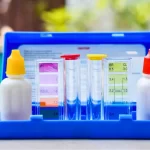
- Colorimetric tests: These tests use color-changing agents that react with minerals in water. The color change shows the hardness level. They’re easy to use but not as precise as other methods.
- Electronic sensors: These devices measure water hardness by how well it conducts electricity. They give quick and reliable results but need to be set up and checked often.
By using these methods and knowing the units, water treatment experts can find the right solutions. This helps fix hard water problems in New York State homes and buildings.
Factors Influencing Water Hardness in New York State
Water hardness in New York State comes from many factors. These include the area’s different rocks, groundwater, and surface water. Each plays a part in how hard the water is.
The state’s rocks, like sedimentary and glacial deposits, affect water hardness. Water flowing through these rocks picks up minerals like calcium and magnesium. This makes the water harder.
Geological Characteristics of New York State
New York State’s rocks vary a lot. Sedimentary rocks, like limestone, dissolve easily. This adds calcium and magnesium to groundwater. Glacial deposits also add minerals to the water.

Influence of Groundwater Sources on Water Hardness
Groundwater in New York State tends to be harder than surface water. This is because groundwater stays in contact with rocks for a long time. This contact dissolves more minerals.
A study in Wadi Qena, Egypt, shows groundwater’s effect on water quality. It found all groundwater samples had certain minerals and were too hard for drinking. This shows how important groundwater is to water hardness.
Impact of Surface Water Sources on Water Hardness
Surface water in New York State is generally softer. This is because it has less time with rocks and gets diluted by rain and runoff. But, it can also be hard, like in areas with limestone.
The study also found that surface water quality varies. The southwestern part is best for drinking, while the northwest is better for irrigation. This shows how surface water and geology interact.
Knowing what makes water hard in New York State is key for managing water. By looking at the geology, groundwater, and surface water, we can find ways to soften water. This helps with household appliances and water quality.
Regional Variations in Water Hardness Across New York State
New York State has big regional variations in water hardness. Some places have water as soft as 30 mg/L, while others have it as hard as 300 mg/L. This difference comes from the state’s varied geology and water sources, leading to different geographic differences in water quality.
About 60% of New York’s drinking water comes from surface sources. These sources tend to have softer water than groundwater. For example, New York City’s water, from the Catskill and Delaware watersheds, is about 60 mg/L hard. But, groundwater in the Finger Lakes region is much harder, averaging 180 mg/L. The Adirondacks have some of the softest water, averaging 40 mg/L.
The Hudson Valley has water hardness that varies a lot, from 50 mg/L to 200 mg/L. This variation comes from the local geology and how the water is treated. In western New York, rural areas with well water can have water as hard as 250 mg/L because of the mineral-rich bedrock.
| Region | Water Hardness Range (mg/L) | Primary Water Source |
|---|---|---|
| New York City | ~60 | Surface water (reservoirs) |
| Finger Lakes | ~180 | Groundwater |
| Adirondacks | ~40 | Surface water |
| Hudson Valley | 50-200 | Mixed sources |
| Western New York (rural) | 250+ | Groundwater (wells) |
The New York State Department of Health says water should be between 60-120 mg/L for the best taste and to avoid problems with plumbing. About 25% of households in New York State deal with hard water issues. These issues can cost households around $500 a year in extra energy and appliance maintenance.
Water Hardness in Major Urban Areas of New York State
Water hardness in New York State’s big cities is a big problem. It’s often over 120 mg/L, which is quite hard. This can damage household appliances and plumbing, and even affect health.
In New York City, water hardness is about 150 mg/L. Buffalo and Rochester have even harder water, at 180 mg/L and 160 mg/L. This makes plumbing systems scale up more. The U.S. Geological Survey says water over 200 mg/L can increase maintenance costs by 30%.
Addressing Urban Water Hardness
About 50% of homes in these cities use water softeners. The New York State Department of Health suggests checking water hardness levels often. This is important in areas where levels are over 150 mg/L to avoid health and plumbing issues.
| City | Average Water Hardness (mg/L) |
|---|---|
| New York City | 150 |
| Buffalo | 180 |
| Rochester | 160 |
| Syracuse | 140 |
| Albany | 130 |

Water hardness is a big issue in New York State’s cities. Knowing the water hardness in places like New York City, Buffalo, and Rochester helps. This way, people and water treatment experts can work together to solve the problems of hard water. They can make sure these cities stay great places to live.
Water Hardness in Rural Areas of New York State
Rural areas in New York State often face water quality challenges. The Adirondack and Catskill regions rely on groundwater. This can lead to higher water hardness due to dissolved minerals.
It’s important to know what affects water hardness in rural areas. Geological features like limestone and other rocks play a big role. They can increase the hardness of groundwater.
Adirondack Region Water Hardness Levels
The Adirondack region is known for its rugged beauty and water hardness issues. Its bedrock, made of metamorphic and igneous rocks, adds minerals to groundwater.
A study by the New York State Department of Health shows the average water hardness in the Adirondack region:
| County | Average Hardness (mg/L as CaCO₃) |
|---|---|
| Essex | 180 |
| Franklin | 165 |
| Hamilton | 190 |
| Warren | 175 |
The Adirondack region has moderately hard to hard water. This can affect household appliances and plumbing systems.
Catskill Region Water Hardness Levels
The Catskill region in southeastern New York State also struggles with water hardness. Its geology, including limestone and shale, adds calcium and magnesium to groundwater.
A study by the United States Geological Survey (USGS) found the following average water hardness levels in the Catskill region:
| County | Average Hardness (mg/L as CaCO₃) |
|---|---|
| Delaware | 210 |
| Greene | 195 |
| Sullivan | 220 |
| Ulster | 200 |
The Catskill region has hard to very hard water. This can cause mineral buildup in pipes and reduce the efficiency of soaps and detergents.
To address water hardness in the Adirondack and Catskill regions, we need a multi-faceted approach. We must understand the geological factors, implement water treatment methods, and educate residents about water quality management.
Comparison of Water Hardness Levels in Different Regions of New York State
Water hardness levels in New York State vary greatly by region. Some areas have very high or very low levels of dissolved minerals. By looking at the highest, lowest, and average levels, we can understand the state’s water quality better.
In western New York, water hardness is among the highest, with averages up to 200 mg/L. Erie County has some of the highest levels, averaging around 180 mg/L. This is because the region’s geology is rich in limestone and minerals.
New York City, which gets its water from the Croton and Delaware watersheds, has water that’s much softer. Levels are below 50 mg/L, making it soft water. This is because the watersheds are made of granitic and metamorphic rocks that don’t add many minerals to the water.
The Finger Lakes region has water hardness levels around 100 mg/L, which is moderate. This is due to the area’s geology and how surface and groundwater mix.
Long Island’s groundwater is about 150 mg/L on average. This is because of the island’s sedimentary rocks and mineral deposits.
The Adirondack Mountains have variable water hardness. Some spots have water as soft as 30 mg/L, while others near limestone can be over 150 mg/L. This shows how geology affects water quality in different places.
| Region | Average Water Hardness (mg/L) | Classification |
|---|---|---|
| Western New York | 200 | Hard |
| Erie County | 180 | Hard |
| New York City | 50 | Soft |
| Finger Lakes | 100 | Moderate |
| Long Island | 150 | Hard |
| Adirondack Mountains (low) | 30 | Soft |
| Adirondack Mountains (high) | 150 | Hard |
Water hardness affects more than just how water looks. It can also harm household appliances and plumbing. In western New York, 75% of homes face problems like scale buildup and less efficient appliances. This is why 60% of homes there use water softeners.

By comparing water hardness levels across New York State, we can see where special attention is needed. This info is key for homeowners, businesses, and policymakers. It helps them make better decisions about water treatment, infrastructure, and resource management. Knowing the highest, lowest, and average levels helps ensure all New Yorkers have access to safe, reliable drinking water.
Health Implications of Hard Water
Hard water is common in many homes in New York State. It has high levels of minerals like calcium and magnesium. While safe to drink, it can affect health in both good and bad ways. Knowing these effects helps us make better choices about our water.
Potential Benefits of Hard Water for Human Health
Hard water may offer important nutrients. Calcium and magnesium are key for strong bones and teeth. They also help with muscle and nerve functions and heart health.
A study in Rajasthan found that 77.6% of areas had enough calcium in their water. This could be good for the local people’s health.
Potential Risks Associated with Hard Water Consumption
But too much mineral intake from hard water can be bad. A UK study found that hard water increased the risk of eczema in babies. It makes skin drier and more likely to get irritated.
Hard water also makes chlorine’s drying effects worse. This can cause skin problems like eczema, acne, and early aging. In Rajasthan, 53.8% of areas had safe chloride levels.
Hard water can also lead to more kidney stones. A study showed that 20.65% of patients in a surgery ward had kidney stones. The high mineral content in hard water can cause stones in some people.
Hard water has some health benefits, but we must watch out for the risks. Testing water hardness and using treatments like filters or softeners can help. This ensures safe drinking water for homes in New York State.
Environmental Concerns Related to Hard Water
Hard water is a growing environmental concern. It affects aquatic ecosystems and soil quality. High mineral levels in hard water can disrupt water bodies’ balance. This can harm aquatic life’s health and diversity.
Hard water can also harm pipes and appliances. It builds up scale, making them less efficient. This means higher utility bills and more energy use, harming the environment.
Impact of Hard Water on Aquatic Ecosystems
Aquatic ecosystems are very sensitive to hard water. The minerals in hard water can change water pH. This makes it hard for some fish and organisms to survive.
This can reduce biodiversity and ecosystem health. The brine from water softeners can also strain water treatment facilities. This shows the need for eco-friendly water softening methods.
Influence of Hard Water on Soil Quality
Hard water affects soil quality, mainly in farming. The minerals in hard water can change soil structure and fertility. This can impact plant growth and crop yields.
Scale buildup in irrigation systems can also reduce efficiency. This can lead to uneven water distribution. Regular maintenance and water softening can help keep soil and crops healthy.
To tackle hard water’s environmental issues, we need a broad approach. This includes responsible water softening, regular maintenance, and eco-friendly alternatives. By managing hard water, we can protect ecosystems, maintain soil quality, and ensure a sustainable future.
Economic Impacts of Hard Water in New York State
Many households in New York State face the problem of hard water. This issue can lead to big financial problems. From damaged appliances to the cost of water softening systems, hard water can be very expensive.
Hard water can damage your appliances and plumbing, leading to costly repairs. It can also shorten the life of your water heater, dishwasher, and washing machine. This means you’ll spend more on energy and have to buy new appliances often. Plus, it can cause clogs and corrosion in pipes, leading to leaks and lower water pressure. These problems can cost a lot to fix.
Costs Associated with Hard Water Damage to Appliances and Plumbing
The economic impacts of hard water damage are wide-reaching. In New York State, fixing or replacing appliances and plumbing damaged by hard water can be very expensive. For example:
- Replacing a water heater damaged by hard water can cost between $500 and $1,500.
- Repairing or replacing clogged or corroded pipes can range from a few hundred to several thousand dollars, depending on the extent of the damage.
- The decreased efficiency of appliances due to hard water can lead to higher energy bills, adding to the overall economic burden.
Expenses Related to Water Softening Systems
To fight hard water, many people and businesses get water softening systems. These systems help reduce the damage from hard water but also have their own costs. These include:
- Initial installation costs, which can range from $500 to $6,000, depending on the size and type of system.
- Regular maintenance and salt replacement, which can cost between $50 and $200 per year.
- Increased water usage, as some water softening systems can use up to 25 gallons of water per day during the regeneration process.
The table below shows the water softening costs for households in New York State:
| Water Softening System | Installation Cost | Annual Maintenance Cost |
|---|---|---|
| Small Household System | $500 – $1,500 | $50 – $100 |
| Large Household System | $1,500 – $3,000 | $100 – $150 |
| Commercial System | $3,000 – $6,000 | $150 – $200 |
In conclusion, hard water in New York State has big economic impacts. Costs include damage to appliances and plumbing, as well as the cost of water softening systems. By understanding these costs and taking steps to address hard water, we can reduce the financial burden. This ensures clean, safe water for everyone.
Water Hardness Levels Across New York State
Water hardness mapping is key to understanding hard and soft water areas in New York State. It helps identify high and low water hardness levels. This knowledge aids in making smart decisions about water management and resource use.
Mapping Water Hardness Levels in New York State
New York State has a wide range of water hardness levels. Urban and rural areas show different levels. The state’s geology, like limestone, affects these differences.
Water hardness mapping shows these variations. It helps us see where hard and soft water areas are.
New York City’s water is famous for being soft. About 90% of it comes from the Catskill and Delaware Watersheds. This water is very soft, making it the second-softest in major American cities.
Identifying Areas with Exceptionally Hard or Soft Water
While New York City has soft water, other areas have harder water. Here’s a look at water hardness levels in U. S. cities: While New York City has soft water, other areas have harder water. cities: Water hardness varies significantly across the country, with cities like Los Angeles and Dallas exhibiting high hardness levels due to their mineral-rich sources. In contrast, New York water hardness levels are among the lowest, which can contribute to the city’s reputation for having excellent tap water. Understanding these differences in water quality can help residents make informed choices about their water usage and treatment options.
| City | Water Hardness (ppm) |
|---|---|
| Las Vegas, Nevada | Over 300 |
| San Antonio, Texas | 280-300 |
| Indianapolis, Indiana | 250-350 |
| Kansas City, Missouri | 250+ |
| Phoenix, Arizona | 200+ |
| Riverside, California | 200-250 |
| Austin, Texas | 180-200 |
| Minneapolis, Minnesota | 170-250 |
| Tampa, Florida | 150-300 |
| Salt Lake City, Utah | 150-250 |
Knowing where water is hard or soft helps New York State manage water better. This info is useful for industries and homeowners. It helps them decide if they need water softening systems.
Water Treatment Methods for Addressing Hard Water
Hard water can cause problems at home, like less efficient appliances and tough cleaning. Luckily, there are water treatment methods to fix these issues. They make water better and improve daily life.
Ion Exchange Water Softening Systems
Ion exchange softening is a common way to soften hard water. It swaps out minerals like calcium and magnesium for sodium ions. This makes water softer, better for appliances and skin. But, it adds sodium to the water, which might be a problem for those watching their sodium intake.

Reverse Osmosis Water Filtration
Reverse osmosis filtration uses a special membrane to remove contaminants, including minerals that make water hard. It produces clean water for drinking and cooking. Yet, it might not work well for treating a lot of water for the whole house.
Alternative Methods for Mitigating Hard Water Effects
There are other ways to deal with hard water too:
- Magnetic water treatment changes the minerals in hard water, stopping them from sticking to surfaces.
- Electronic water conditioning works like magnetic treatment but uses electronic impulses.
- Phosphate injection systems add phosphate to the water to stop scale buildup in appliances and pipes.
Hard water can really affect your appliances and plumbing. Here are some stats:
| Appliance/Scenario | Effect of Hard Water |
|---|---|
| Water heater efficiency | 24% drop over time due to scale buildup |
| Tankless water heaters | Can clog after only 1.6 years with high-hardness water |
| Laundry detergent use | Up to 50% less with softened water |
| Dishwashing detergent use | Up to 70% less with softened water |
| Gas water heaters | Avoid efficiency loss when operating on softened water |
Using the right water treatment methods can help. It keeps appliances running longer, makes cleaning easier, and improves life quality.

Public Awareness and Education about Water Hardness
Teaching people about water hardness is key to helping communities make smart choices about their water. In the Greater Plattsburgh Water District, which has over 10,000 residents, public awareness efforts are vital. They help spread the word about how hard water affects homes and the options for treatment.
One good way to teach about water hardness is through materials like brochures and fact sheets. These explain hard water’s causes and effects in easy-to-understand language. They also stress the need for regular water tests and how to read water quality reports. In 2023, the Greater Plattsburgh Water District produced 451,896,000 gallons of water, with about 94% going directly to customers.
Community outreach programs, like workshops and seminars, are also effective. They let water experts share their knowledge, answer questions, and address concerns. This way, communities can work together to tackle hard water issues and ensure safe drinking water for everyone.
| Water Quality Parameter | Detected Level (2023) | Maximum Contaminant Level (MCL) |
|---|---|---|
| Fluoride | 0.2 – 0.6 mg/l | 4 mg/l |
| Nitrate | 0.19 mg/l | 10 mg/l |
| Total Trihalomethanes (TTHM) | 2.3 – 6.5 ug/l | 80 ug/l |
| Total Haloacetic Acids (HAA5) | 1.1 – 4.7 ug/l | 60 ug/l |
Water utilities can also boost public awareness by sharing clear, easy-to-find water quality info. Reporting on things like fluoride, nitrate, and disinfection byproducts builds trust. The Greater Plattsburgh Water District, for example, keeps contaminant levels far below the legal limits, as shown in the table above.
By focusing on public awareness, water hardness education, and community outreach, we can make a more informed and active public. This leads to better water management and a higher quality of life for New York State residents.
Future Trends and Research in Water Hardness Management
As we face evolving challenges in water quality, it’s key to stay updated on future trends and research in water hardness management. A recent study found a global water gap of 457.9 km³/yr. It also showed a 5.8% increase under a 1.5°C warming scenario and a 14.7% increase under a 3°C warming scenario. These findings highlight the need for proactive strategies to address the impacts of climate change on water hardness levels.
Emerging technologies are promising solutions for hard water issues. Advanced filtration systems and smart water monitoring devices lead these developments. For example, a report by the National Academies of Sciences, Engineering, estimates the U.S. will need $625 billion over 20 years to fix, maintain, and improve its water infrastructure.
Emerging Technologies for Addressing Hard Water Issues
Several innovative technologies are being developed to tackle hard water challenges:
- Ion exchange water softening systems with enhanced efficiency and reduced environmental impact
- Reverse osmosis water filtration with improved membrane materials and energy recovery systems
- Electrochemical water treatment methods that minimize chemical use and waste generation
Potential Changes in Water Hardness Levels Due to Climate Change
Climate change is expected to significantly affect water hardness levels worldwide. The table below shows the projected increases in water gaps under different warming scenarios:
| Warming Scenario | Additional Water Gap (km³/yr) | Percentage Increase |
|---|---|---|
| 1.5°C | 26.5 | 5.8% |
| 3°C | 67.4 | 14.7% |
Countries like India, China, Pakistan, and the United States will face the largest increases in water gaps. But, some countries, such as Canada, Mexico, and Nigeria, might see a decrease in water gaps under certain conditions.
As we tackle hard water and climate change challenges, ongoing research and the adoption of emerging technologies are key. They will be essential for sustainable water quality management in the future.
Recommendations for Homeowners and Communities in New York State
As a homeowner or community member in New York State, there are steps you can take to ensure safe, high-quality water. It’s important to regularly test your water’s hardness, which is key for those using private wells. Using water treatment systems like ion exchange or reverse osmosis can protect your appliances and plumbing.
When choosing a treatment system, think about your water’s hardness level, household size, and budget. This will help you pick the right one for your needs.
Working with local authorities and water management groups is vital. They help develop strategies for better water quality. By staying updated on water hardness trends and joining community talks, you help everyone. This includes supporting efforts to fix old water systems, saving water, and pushing for better water rules.
It’s also important to watch out for other water issues like lead. If your home was built before 1987, test for lead and replace old pipes and fixtures. Keep up with local water testing and use resources from groups like the Department of Environmental Protection (DEP) and the Healthy Neighborhoods Program (HNP).
By testing your water regularly, choosing the right treatment, and getting involved in local efforts, you can help ensure clean water for everyone. Following these steps will not only improve water quality but also help keep people healthy and well in New York State.
FAQ
What is water hardness, and what causes it?
Water hardness is when water has dissolved minerals like calcium and magnesium. These minerals come from rocks like limestone and dolomite that water flows through.
How is water hardness measured, and what are the common units of measurement?
We measure water hardness in parts per million (ppm) or milligrams per liter (mg/L) of calcium carbonate. You can use titration, colorimetric tests, or electronic sensors to test it.
What factors influence water hardness levels in New York State?
New York State’s geology, including sedimentary rocks and glacial deposits, affects water hardness. Groundwater often has more minerals than surface water.
How do water hardness levels vary across different regions of New York State?
Water hardness varies a lot in New York State. The Adirondack and Catskill regions have higher levels because they rely on groundwater.
What are the possible health effects of drinking hard water?
Hard water is usually safe to drink but can have mixed effects on health. Some studies say it might provide essential nutrients. Others warn of health risks from too much mineral intake.
How can hard water affect the environment, including aquatic ecosystems and soil quality?
Hard water can change the pH and nutrient balance in water bodies. This can harm aquatic life. It can also affect soil structure and fertility, impacting agriculture and ecosystems.
What are the economic impacts of hard water on households and communities in New York State?
Hard water can damage appliances and plumbing, leading to high repair costs. Installing and maintaining water softening systems also adds expenses. Understanding these costs helps make better water management decisions.
What water treatment methods are available for addressing the challenges posed by hard water?
Ion exchange systems remove minerals through a chemical process. Reverse osmosis uses a membrane to filter out contaminants. Magnetic and electronic water treatments are also options for dealing with hard water.
What steps can homeowners and communities in New York State take to address water hardness issues?
To tackle water hardness, test your water regularly and invest in the right treatment systems. Work with local authorities to improve water quality. By following these steps, you can ensure safe, quality water for your home and community.