Pros and Cons of Water Softeners for Coffee Houses
- Published:
- Updated: January 10, 2025
Listen to this article
Summary
Water softeners are popular in coffee houses to enhance water quality, but they come with both advantages and challenges. The key benefits include improving coffee taste, reducing scale buildup, and providing consistent water quality. However, there are drawbacks such as altered mineral content, sodium addition, and maintenance costs.
Pros:
- Improved Coffee Quality: Softened water helps enhance the coffee’s flavor and aroma.
- Reduced Equipment Wear: Soft water prevents scale buildup, increasing the lifespan of brewing equipment.
- Consistent Water Quality: Ensures uniform coffee taste across all servings.
Cons:
- Altered Mineral Content: Softened water may lack beneficial minerals needed for optimal coffee extraction.
- Sodium Addition: The ion exchange process introduces sodium, which can be an issue for some customers.
- Costs and Maintenance: Installation and upkeep of water softeners can be expensive.

In the world of coffee brewing, water quality is of paramount importance. The water you use can significantly impact the flavor, aroma, and quality of the coffee served in your establishment. For coffee houses, maintaining consistent water quality is not only essential for customer satisfaction but also for the longevity of the brewing equipment. Water softeners have become a popular solution for managing water quality, but they come with their own set of advantages and disadvantages. This article delves into the pros and cons of using water softeners in coffee houses, providing you with the insights needed to make an informed decision.
Understanding Water Softeners
Water softeners are devices designed to remove hardness minerals, primarily calcium and magnesium, from water. These minerals can cause scale buildup in pipes and appliances, affecting both efficiency and longevity. By using ion exchange or other methods, water softeners replace hardness minerals with sodium or potassium ions, resulting in "soft" water.
How Do Water Softeners Work?
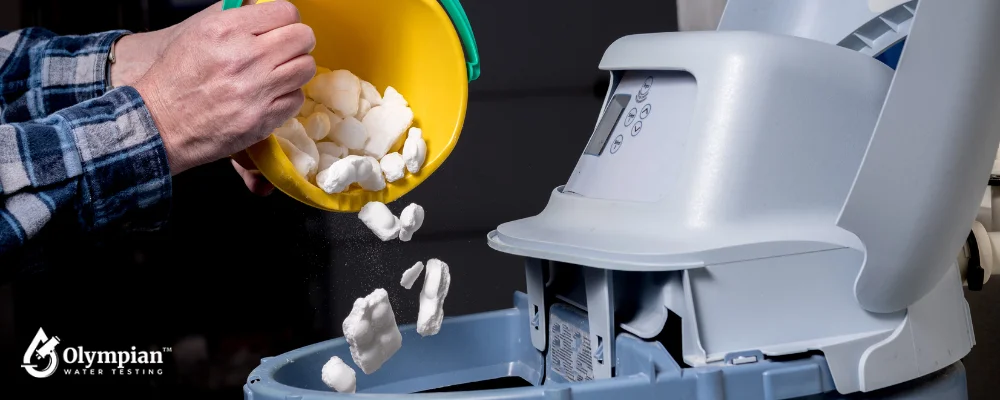
The most common type of water softener uses a process called ion exchange. In this process, water passes through a bed of resin beads that are saturated with sodium ions. As hard water flows over these beads, calcium and magnesium ions are exchanged with sodium ions, effectively softening the water. This softened water is then dispensed for use in various applications, including coffee brewing.
Pros of Using Water Softeners in Coffee Houses
Improved Coffee Taste and Quality
One of the primary benefits of using a water softener is the improvement in coffee taste and quality. Hard water can impart a bitter or metallic taste to coffee due to the presence of calcium and magnesium ions. By removing these minerals, softened water allows the true flavors of the coffee beans to shine, resulting in a smoother and more enjoyable cup.
Reduced Scale Buildup
Coffee equipment, such as espresso machines and coffee brewers, can suffer from scale buildup when using hard water. This buildup not only affects the taste of the coffee but also reduces the efficiency and lifespan of the equipment. Water softeners help prevent scale formation, ensuring that coffee machines operate optimally and require less maintenance.
Consistent Water Quality
For coffee houses, consistency is key. Water softeners provide a stable and consistent water quality, which is crucial for maintaining a uniform flavor profile across all coffee served. This consistency is especially important for establishments that pride themselves on delivering a high-quality coffee experience.
Cons of Using Water Softeners in Coffee Houses
Altered Mineral Content
While softened water improves the taste of coffee by removing hardness minerals, it also alters the overall mineral content of the water. Some mineral content is beneficial for coffee extraction, as it can enhance flavor and aroma. Over-softened water may lack the necessary minerals needed for optimal extraction, potentially resulting in a flat or less robust flavor.
Sodium Addition
Another consideration is the addition of sodium to the water during the ion exchange process. While the amount of sodium added is generally low and not a health concern for most individuals, it can be undesirable for those on low-sodium diets. It’s important for coffee houses to be aware of this potential issue and communicate it to customers who may have dietary restrictions.
Cost and Maintenance
Implementing a water softener system requires an initial investment, as well as ongoing maintenance and operational costs. Coffee houses need to consider these expenses when deciding whether to install a water softener. Regular maintenance, including resin replacement and system cleaning, is necessary to ensure the softener operates effectively.
Balancing the Pros and Cons
For coffee houses considering water softeners, it’s essential to weigh the benefits against the drawbacks. The decision will largely depend on the specific water quality challenges faced by the establishment and the priorities of the business.
Alternative Solutions
For those concerned about the potential downsides of water softeners, there are alternative solutions to consider. Reverse osmosis systems, for instance, can provide high-quality water by removing a wide range of impurities, including hardness minerals. However, these systems can also remove beneficial minerals, so it’s important to assess the impact on coffee flavor.
Customized Water Treatment
Some coffee houses opt for customized water treatment solutions that strike a balance between hardness removal and mineral retention. By adjusting the treatment process to retain certain minerals, establishments can achieve the desired water quality without compromising coffee flavor.
Conclusion
Water softeners offer several advantages for coffee houses, including improved taste, reduced scale buildup, and consistent water quality. However, they also come with considerations such as altered mineral content, sodium addition, and maintenance costs. Coffee houses must carefully evaluate their specific needs and water quality challenges to determine if a water softener is the right choice.
Ultimately, the decision to use a water softener should be informed by a thorough understanding of the pros and cons, as well as the unique requirements of the establishment. By making an informed choice, coffee houses can ensure they deliver the best possible coffee experience to their customers while maintaining the longevity and efficiency of their equipment.
Share this on social media:
Facebook
Twitter
LinkedIn

Related Posts