Can You Drink Tap Water in NYC?
- Published:
- Updated: July 6, 2025
Listen to this article
Summary
New York City’s tap water is safe to drink and highly regarded for its quality. It is sourced from protected reservoirs and undergoes rigorous testing and treatment to ensure its safety and taste. One of the factors contributing to its exceptional quality is the balanced acidity, with the NYC tap water pH typically hovering around 7. 2, which is ideal for both flavor and health. Residents and visitors alike appreciate not only its purity but also the distinct crispness that makes it a refreshing choice straight from the tap.
- NYC tap water comes from pristine reservoirs in the Catskill and Delaware watersheds, with minimal treatment needed.
- The water meets strict EPA standards and is regularly tested by the DEP for over 250 contaminants.
- NYC tap water is beneficial, offering essential minerals and supporting local infrastructure.
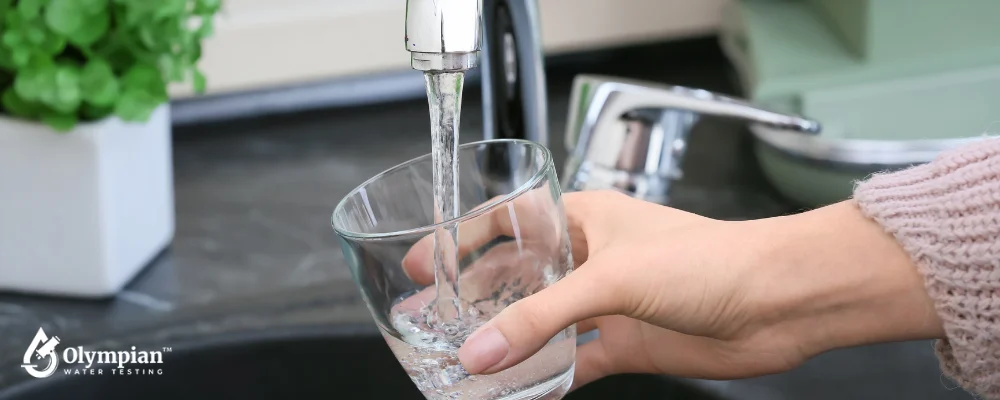
New York City is renowned for many things, from its iconic skyline to its vibrant culture. But one topic that frequently surfaces in discussions about urban living is the quality of its tap water. With a reputation of being some of the best municipal water available, many ask: Can you drink tap water in NYC? In this article, we’ll delve into the nuances of NYC’s tap water, exploring its safety, quality, and the processes that ensure its purity. New York City water quality is often lauded for its exceptional taste and cleanliness, stemming from a carefully managed supply system that sources water from an impressive network of reservoirs and aqueducts upstate. The city conducts rigorous testing and treatment protocols to ensure that the water consistently meets and often exceeds federal and state standards. This commitment to maintaining high standards contributes to the public’s trust and acceptance of drinking tap water throughout the city.
The Source of NYC's Tap Water
Origin and Journey
New York City’s tap water is sourced from a sophisticated system of reservoirs and aqueducts primarily located in the Catskill and Delaware watersheds, complemented by the Croton system. This extensive network spans over 2,000 square miles, supplying over a billion gallons of water to the city daily. The journey from these pristine sources to your tap involves a combination of gravity-fed aqueducts and tunnels traversing mountainous terrains and urban landscapes. The natural filtration through forested watersheds plays a crucial role in maintaining the water’s purity.
The Role of the Watersheds

The Catskill and Delaware watersheds are vital to NYC’s water supply, providing approximately 90% of the city’s drinking water. These areas are protected by strict land-use regulations to preserve water quality. The Croton system, which supplies the remaining 10%, underwent significant upgrades to enhance its capacity and treatment processes. The strategic placement of these watersheds ensures a reliable and clean source of water, minimizing the need for excessive artificial treatment.
Historical Development
The development of NYC’s water supply system dates back to the 19th century, driven by the city’s rapid growth and the need for a reliable water source. The construction of the Croton Aqueduct in the 1840s marked the beginning of a sophisticated infrastructure. Over the years, expansion projects such as the Catskill and Delaware aqueducts were implemented to meet increasing demand. These historical advancements laid the foundation for the modern system that delivers high-quality water to millions of residents today.
Water Quality Standards and Testing
Regulatory Framework
Ensuring the safety of NYC’s tap water involves rigorous adherence to federal, state, and local regulations. The U.S. Environmental Protection Agency (EPA) mandates stringent standards under the Safe Drinking Water Act, which NYC’s water not only meets but often exceeds. The New York City Department of Environmental Protection (DEP) oversees over 500,000 tests annually, assessing more than 250 potential contaminants. This comprehensive regulatory framework guarantees that the water supplied to residents is of the highest quality.
Advanced Monitoring Techniques

The DEP employs advanced monitoring techniques to maintain water quality. State-of-the-art laboratories equipped with cutting-edge technology conduct daily analyses, ensuring that any deviations from safety standards are promptly addressed. The use of remote sensors and real-time data collection allows for continuous monitoring, providing immediate alerts to potential issues. This proactive approach ensures that NYC’s water quality remains consistently excellent, safeguarding public health.
Community Involvement and Transparency
Transparency is a cornerstone of NYC’s water quality management. The DEP regularly engages with the community, providing updates on water quality through public reports and educational initiatives. Residents are encouraged to participate in water quality discussions and report any concerns. By fostering a collaborative relationship with the community, NYC ensures that its water supply remains a shared responsibility, with both authorities and residents working together to maintain its high standards.
Treatment Processes

NYC’s water undergoes several treatment processes to maintain its high quality. Chlorination is employed to eliminate harmful pathogens, while orthophosphate is added to reduce pipe corrosion. Additionally, ultraviolet (UV) disinfection is used to neutralize microorganisms, ensuring a comprehensive safety net against potential contaminants. These treatment processes are carefully monitored to ensure they are effective without compromising the water’s natural taste and quality.
Is NYC Tap Water Safe to Drink?
Safety Assessments
The question of safety is paramount when considering whether NYC tap water is drinkable. Based on data from the DEP, the water is consistently rated as safe for consumption. The rigorous testing regime, coupled with advanced treatment processes, ensures that any potential contaminants are effectively managed. The New York City water supply consistently ranks among the best in the nation for quality and safety. This reputation is backed by independent assessments that reaffirm the city’s commitment to providing safe drinking water.
Potential Concerns
While the overall safety of NYC’s tap water is well-documented, occasional concerns can arise. Lead contamination, for instance, is primarily a concern in older buildings with antiquated plumbing. The city proactively addresses this through public education, providing free lead testing kits, and implementing corrosion control measures. Residents are encouraged to be aware of their building’s plumbing history and take necessary precautions to mitigate potential risks.
Addressing Lead Contamination

Lead contamination is a critical issue that NYC takes seriously. The city has implemented a comprehensive Lead Reduction Program aimed at reducing lead levels in drinking water. This includes replacing lead service lines and offering financial assistance to property owners for plumbing upgrades. Public awareness campaigns educate residents about the risks of lead exposure and the importance of regular water testing. By addressing this issue head-on, NYC ensures that its tap water remains safe for all residents.
Continuous Improvement Initiatives
NYC is committed to continuous improvement in water quality management. Ongoing research and development efforts focus on enhancing treatment processes and exploring new technologies. Collaborative partnerships with academic institutions and industry experts drive innovation in water safety. These initiatives ensure that NYC remains at the forefront of water quality management, adapting to emerging challenges and maintaining the highest standards of safety.
Benefits of Drinking NYC Tap Water
Environmental and Economic Advantages
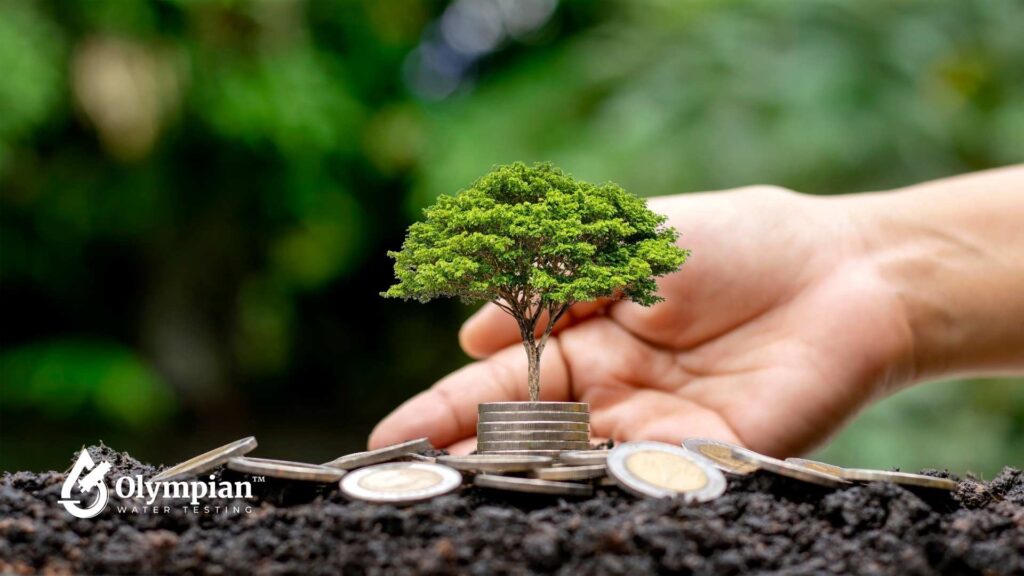
Choosing tap water over bottled options offers significant environmental and economic benefits. Tap water reduces the carbon footprint associated with the production and transportation of bottled water. Economically, it is also far more cost-effective, saving consumers significant amounts annually compared to bottled alternatives. By opting for tap water, residents contribute to a more sustainable future, reducing plastic waste and conserving resources.
Nutritional Content
NYC tap water contains naturally occurring minerals such as calcium and magnesium, contributing to its taste and offering some nutritional benefits. These minerals are essential for various bodily functions, making tap water a beneficial choice for daily hydration. Unlike bottled water, which may lack these nutrients, tap water provides a natural source of minerals that support overall health.
Taste and Palatability
Many residents and visitors alike praise the taste of NYC’s tap water. The unique combination of minerals gives it a distinct flavor that is often preferred over bottled alternatives. The city’s commitment to preserving the natural taste of its water through minimal treatment enhances its palatability. Taste tests frequently rank NYC tap water among the best, highlighting its appeal as a refreshing and enjoyable beverage choice.
Supporting Local Infrastructure

By choosing tap water, residents support the maintenance and improvement of local infrastructure. The funds generated from water usage fees are reinvested into the city’s water system, ensuring its continued reliability and quality. This financial support enables ongoing upgrades and expansions, benefiting current and future generations. Opting for tap water is not just a personal choice but a contribution to the community’s well-being.
Practical Advice for NYC Residents
Ensuring Optimal Water Quality at Home
For residents concerned about water quality within their homes, simple measures can enhance safety and taste. Regularly cleaning faucet aerators and allowing the tap to run for a few minutes before use can minimize potential lead exposure. Installing a point-of-use filtration system can further improve taste and remove any remaining impurities. These small steps can make a significant difference in ensuring the best water quality at home.
Choosing the Right Filtration System

Selecting the right filtration system can be crucial for those who wish to enhance their tap water quality. Options range from simple faucet attachments to more comprehensive under-sink systems. It’s important to choose a system that addresses specific concerns, such as lead or chlorine, and is certified by reputable organizations. Consulting with water quality experts can help residents make informed decisions about the best filtration solutions for their needs.
Staying Informed
Staying informed about the quality of your water supply is crucial. NYC DEP provides annual Water Quality Reports, accessible to all residents, detailing the latest testing results and any pertinent updates on water safety. Engaging with these resources empowers residents to make informed decisions about their water consumption. By staying informed, residents can actively participate in maintaining the high standards of NYC’s tap water quality.
Participating in Community Initiatives
Residents can also engage in community initiatives that promote water quality awareness and conservation. Participating in local workshops and events organized by the DEP helps build a collective understanding of water issues. Community involvement fosters a sense of responsibility and encourages sustainable practices that benefit the entire city. By working together, residents contribute to the ongoing success of NYC’s water management efforts.
Conclusion
In conclusion, the tap water in New York City is not only safe to drink but is celebrated for its quality. Through a combination of pristine natural sources, advanced treatment processes, and rigorous testing, the city provides its residents with some of the finest municipal water available. By choosing tap water, residents can enjoy a safe, environmentally friendly, and cost-effective hydration option. For those who wish to optimize their tap water experience, simple home practices and staying informed through official channels are recommended.
In the ever-evolving landscape of urban living, NYC’s tap water stands as a testament to the city’s commitment to quality and sustainability. So, the next time you fill your glass from the tap, you can do so with confidence in the safety and excellence of your water supply. By embracing the benefits of tap water, New Yorkers contribute to a healthier, more sustainable future for themselves and the city they call home.
Share this on social media:
Facebook
Twitter
LinkedIn

Related Posts