Understanding Alkaline Water for Cats
- Published:
- Updated: February 17, 2025
Listen to this article
Summary
Alkaline water, with its higher pH and mineral content, is being considered by some cat owners for its potential health benefits. However, its safety and efficacy for cats remain unclear. While some benefits are proposed, such as enhanced hydration and antioxidant properties, more research is needed, and any introduction of alkaline water should be done cautiously, with veterinary guidance.
Key Points:
- Hydration & Antioxidants: Alkaline water may offer hydration and antioxidant properties, but its effects on cats remain speculative.
- Potential Risks: Changes in pH balance could disrupt a cat’s digestive system, particularly if they have pre-existing conditions.
- Veterinary Guidance: Consult with a vet before introducing alkaline water to ensure it’s appropriate and safe for your cat.

In recent years, the trend of consuming alkaline water has gained traction for its purported health benefits. Alkaline water enthusiasts claim it can balance the body’s pH levels, boost hydration, and provide antioxidant properties. As these trends permeate human health circles, pet owners are becoming increasingly conscious of their pets’ health, raising questions about whether alkaline water is safe for cats and what benefits it might offer. This article explore the complexities of alkaline water, explores its potential implications for feline health, and provides guidance for those considering incorporating it into their cats’ hydration regimen.
What is Alkaline Water?
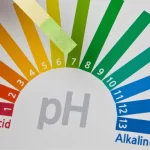
Alkaline water is characterized by a higher pH level than regular drinking water. The pH scale, which ranges from 0 to 14, measures how acidic or basic a substance is. A pH level of 7 is considered neutral, with levels below this being acidic and levels above being basic or alkaline. Alkaline water typically has a pH of 8 or 9, which some proponents argue helps neutralize acid in the bloodstream.
The production of alkaline water involves processes such as ionization or the addition of alkaline minerals. These processes not only increase the pH level but also infuse the water with minerals like calcium, potassium, and magnesium. These minerals are touted for their potential health benefits, such as improved bone health and muscle function. However, it is important to note that the mineral content in alkaline water is usually lower than what is required in daily dietary intake.
Is Alkaline Water Safe for Cats?
The Physiological Perspective

Before discussing the potential benefits, it is crucial to understand whether alkaline water is safe for feline consumption. Cats, like humans, have physiological mechanisms to regulate their body’s pH levels. The gastrointestinal tract, for instance, is highly acidic, which aids in digestion and prevents harmful bacteria from thriving. This acidic environment is crucial for breaking down food and absorbing nutrients effectively.
Introducing alkaline water could, theoretically, interfere with these natural processes. By altering the pH balance, it might affect the cat’s digestion or immune response. However, there is currently limited scientific evidence specific to cats that conclusively indicates whether alkaline water poses a risk or provides benefits. More research is needed to understand how cats metabolize alkaline water and whether it impacts their health positively or negatively.
Veterinary Insights
Veterinarians generally emphasize the importance of providing clean, fresh water to pets, ensuring they remain well-hydrated. Adequate hydration is essential for maintaining healthy organ function and preventing urinary tract issues. While some may advocate for alkaline water, particularly if a cat has specific health concerns, others may advise caution. It is vital to consult with a veterinarian before making significant changes to a cat’s diet or water source, as each cat has unique health needs.
Veterinarians often weigh the pros and cons based on the individual health conditions of the cat. For example, if a cat suffers from chronic kidney disease, a vet might explore alternative hydration options like alkaline water to see if it alleviates symptoms. However, the lack of comprehensive studies on the effects of alkaline water on cats makes it imperative for pet owners to seek professional guidance and proceed with caution.
Potential Benefits of Alkaline Water for Cats
Despite the lack of extensive feline-specific research, proponents of alkaline water suggest several potential benefits, extrapolated from human studies and anecdotal evidence. While these claims are promising, they must be considered with a critical eye, as the physiological differences between species can lead to varied outcomes.
Antioxidant Properties
Alkaline water is believed to have antioxidant properties, which can help neutralize harmful free radicals in the body. Free radicals are unstable molecules that can cause cellular damage, leading to various health issues. This might be beneficial for cats, potentially reducing oxidative stress and supporting overall health. By combating oxidative stress, alkaline water could theoretically help improve a cat’s immune function and vitality.
However, the extent to which these antioxidant properties affect cats remains largely speculative. The antioxidant capacity of alkaline water might not be significant enough to produce noticeable health benefits in felines. As such, while the idea is appealing, pet owners should not rely solely on alkaline water for its antioxidant benefits without further scientific backing.
Hydration and Detoxification
Some studies propose that alkaline water is more hydrating than regular water, though this claim remains debated. Enhanced hydration could aid in detoxification processes, helping to flush out toxins and maintain kidney health, which is particularly important for cats prone to renal issues. Cats are notoriously prone to dehydration, so any measure that could potentially increase their water intake is worth considering.
Increased hydration can lead to improved skin and coat health, better digestion, and more efficient waste elimination. However, the claim that alkaline water significantly boosts hydration levels is not universally accepted, and more research is needed to confirm these benefits in cats. Pet owners should observe their cat’s water intake and ensure they have access to fresh, clean water at all times, regardless of its pH level.
Bone Health
Alkaline water is often rich in minerals, such as calcium and magnesium, which are crucial for maintaining bone density and strength. These minerals play vital roles in bone development and maintenance, and deficiencies can lead to health problems. While cats generally receive these nutrients from their diet, supplementary sources could be beneficial in certain cases, particularly for aging cats or those with specific dietary restrictions.
However, it is important to note that the mineral content in alkaline water is usually not sufficient to replace dietary sources. Alkaline water should not be relied upon as a primary source of these minerals. A balanced diet remains the cornerstone of good health, and any supplementation should be approached with care to avoid potential imbalances.
Considerations and Risks
Nutritional Balance
While alkaline water might offer some benefits, it is essential to consider the overall nutritional balance of a cat’s diet. Excessive mineral intake, for example, could lead to imbalances or contribute to the formation of urinary stones. Cats require a delicate balance of nutrients, and any changes to their diet or water intake should be carefully monitored.
Pet owners should be aware that while alkaline water can supplement a cat’s mineral intake, it should not replace a balanced diet. Over-reliance on alkaline water for nutritional benefits could inadvertently cause harm. Therefore, it is crucial to maintain a holistic approach to feline nutrition, ensuring all dietary needs are met through appropriate food and water sources.
Monitoring Health Changes
Introducing alkaline water should be a gradual process, with close monitoring for any changes in health or behavior. Cats are sensitive creatures, and sudden changes to their diet or environment can lead to stress or health issues. If a cat shows signs of gastrointestinal distress, such as vomiting or diarrhea, it may be necessary to revert to regular water and consult a veterinarian.
Regular check-ups and observations are key to ensuring a cat’s well-being. Pet owners should track any changes in their cat’s drinking habits, energy levels, and overall health. This vigilance will help identify any adverse effects early on, allowing for timely intervention and care.
Water Quality
The quality of the water source is paramount. Ensure that any alkaline water provided is free from contaminants and meets safety standards. Contaminated water can pose serious health risks to cats, leading to gastrointestinal issues or other illnesses. Home ionizers should be regularly maintained and tested to ensure their efficacy and safety.
Pet owners should also consider the source of the alkaline water. Bottled alkaline water might be convenient, but it can also be expensive and environmentally unfriendly. If opting for a home ionizer, thorough research and maintenance are essential to ensure the device functions correctly and safely. Additionally, pet owners should ensure that the alkaline water they provide meets safety standards, which can be confirmed through laboratory water testing. This process helps identify any harmful contaminants and ensures the water’s mineral content is suitable for pets. By taking these precautions, owners can maintain their pets’ health while making environmentally responsible choices. Furthermore, it’s important for pet owners to monitor their dogs’ reactions when transitioning to alkaline water, as some pets may have specific sensitivities. In addition to understanding the potential benefits, owners should actively seek information on alkaline water and dog safety, ensuring they are making the best decisions for their furry friends. By prioritizing both the health of their pets and the sustainability of their choices, owners can enjoy peace of mind knowing they’re contributing positively to their pets’ wellbeing and the environment.
Practical Advice for Pet Owners
Consulting with a Veterinarian
Before introducing alkaline water to a cat’s diet, it is advisable to consult with a veterinarian. They can provide tailored advice based on the cat’s health history and specific needs. Veterinary guidance is invaluable in navigating the complex world of pet nutrition, ensuring any changes made are in the cat’s best interest.
Veterinarians can also recommend specific brands or types of alkaline water that are safe for cats. Their expertise can help pet owners make informed decisions, minimizing risks and maximizing potential health benefits.
Gradual Introduction
If approved by a veterinarian, introduce alkaline water gradually, mixing it with regular water and monitoring the cat’s response. A slow transition allows the cat to adjust to the new water source without overwhelming its system. This approach also provides an opportunity to observe any immediate reactions or changes in behavior.
Gradual introduction is especially important for cats with pre-existing health conditions. These cats may be more sensitive to dietary changes, and a cautious approach can prevent unnecessary health complications.
Observing Behavior
Pay attention to the cat’s drinking habits and overall health. Changes in water consumption or signs of discomfort should be addressed promptly. Cats are often subtle in expressing discomfort, so keen observation is necessary to catch any early signs of distress.
Documenting any changes or patterns can be helpful when consulting with a veterinarian. This record provides valuable insights into the cat’s health and hydration habits, aiding in making informed decisions about their care.
Conclusion
Understanding the implications of alkaline water for cats requires a nuanced approach, considering both potential benefits and risks. While alkaline water might offer certain health advantages, its safety and efficacy for feline health are not yet fully understood. Pet owners should prioritize their cats’ well-being by consulting with veterinary professionals and making informed decisions about their hydration sources.
As research continues to evolve, staying informed about new findings will help pet owners provide the best care for their furry companions, ensuring they remain healthy and hydrated. An open dialogue with veterinarians and a commitment to learning will empower pet owners to make choices that align with their cat’s health needs, fostering a long and healthy life.
Share this on social media:
Facebook
Twitter
LinkedIn

Related Posts