Why Water Quality Testing Is Essential for Your Family’s Health
- Published:
- Updated: January 6, 2025
Listen to this article
Summary
Water quality testing is essential for safeguarding your family’s health by detecting harmful contaminants like bacteria, lead, and pesticides. Regular testing ensures safe drinking water, especially in homes with private wells or old plumbing. This article provides guidance on how to conduct tests, interpret results, and implement corrective actions to maintain water quality.
Key Points:
- Contaminants in water can cause health issues ranging from gastrointestinal illnesses to neurological disorders, making regular testing essential.
- Testing kits range from simple strips to advanced digital or laboratory-based kits, with each offering different levels of detail and accuracy.
- Professional analysis is recommended for complex issues, especially after natural disasters or in homes with old plumbing, ensuring thorough detection of contaminants.

Water is a fundamental necessity of life. It’s essential for our health, hygiene, and overall well-being.
Yet, how often do we stop to consider the quality of the water we consume daily?
Water quality testing is a crucial aspect of maintaining a healthy home environment. It’s not just about the clarity or taste of your tap water. It’s about ensuring the safety of the water your family drinks, cooks with, and bathes in.
Contaminants in water can pose serious health risks. These can range from gastrointestinal illnesses to neurological disorders. Even seemingly clean tap water can harbor harmful pollutants like bacteria, lead, and pesticides.
Fortunately, water testing kits are readily available for homeowners. These kits provide an accessible way to monitor your water quality regularly. They can detect contaminants that are often tasteless, colorless, and odorless.
This article aims to educate you on the importance of water quality testing. It will guide you on how to conduct these tests at home and interpret the results. It will also provide practical tips for maintaining the quality of your water supply.
By understanding and addressing water quality issues, you can safeguard your family’s health. So, let’s dive into the world of water quality testing and discover why it’s essential for your family’s well-being.
Understanding Water Quality and Its Impact on Health
Water quality refers to the chemical, physical, and biological characteristics of water. These attributes determine water’s suitability for a particular use, such as drinking or irrigation.
It is important to note that poor water quality can directly impact human health. Contaminants in water may not always be visible or detectable by smell, yet they can pose significant health risks.
From heavy metals like lead to bacterial contaminants, water quality issues vary widely. Each presents unique challenges to health. Unfortunately, even treated municipal water can have residual pollutants due to aging infrastructure or natural events.
For homeowners, private wells come with their own set of challenges. These are not regulated by the Environmental Protection Agency (EPA), requiring diligent testing by the owners.
Understanding water quality is not just about avoiding immediate health risks. It’s also about preventing long-term exposure to harmful substances. Staying informed about the potential threats in your local water supply is crucial for long-term well-being.
Common Contaminants in Tap Water

While tap water undergoes treatment before reaching our homes, it isn’t immune to contamination. Various pollutants can infiltrate the supply.
Common contaminants often found in tap water include:
- Bacteria and Viruses: These can originate from sewage or septic systems.
- Lead: This usually comes from old pipes or plumbing materials.
- Nitrates: Frequently found in agricultural run-off, affecting groundwater supplies.
- Pesticides: These can seep into water through nearby agricultural practices.
Each of these contaminants poses a distinct health risk. Therefore, testing your tap water regularly is vital.
Health Risks Associated with Poor Water Quality
Poor water quality can lead to a wide range of health issues. Some contaminants cause immediate symptoms, while others lead to chronic conditions over time.
For instance, bacteria and viruses in water can cause gastrointestinal illnesses. Symptoms include diarrhea, stomach cramps, and vomiting. In some cases, these can be severe, especially in children and the elderly.
Lead contamination is particularly concerning for families. It can affect children’s development and cause behavioral changes. Long-term exposure in adults may result in kidney issues and increased blood pressure.
Nitrates in water pose a serious risk to infants. High levels can lead to a condition known as "blue baby syndrome," which affects the ability of blood to carry oxygen. Consequently, addressing water quality is essential in preventing such health concerns.
The Role of Water Quality Testing
Water quality testing plays an essential role in safeguarding your family’s health. It serves as the first line of defense in identifying contaminants. Regular testing helps in detecting pollutants which might not be visible or cause immediate symptoms.
This process allows homeowners to assess whether their water meets the safety standards set by authorities like the EPA. Testing is particularly crucial for those relying on private wells, as these are not monitored by local municipalities.
Additionally, water quality testing aids in understanding the specific type of treatment needed. Certain contaminants require specialized filtration or purification methods. Recognizing these needs ensures effective problem-solving.
Moreover, testing is an ongoing necessity due to changing conditions. Natural disasters and seasonal changes can impact water sources. Consistent testing provides peace of mind by keeping you informed about the safety of your water supply.
When and Why to Test Your Water
Knowing when and why to test your water can greatly enhance your family’s safety. Routine testing schedules, adapted to specific needs, can be quite effective.
Testing should occur annually, at a minimum, for general assessment. However, several factors might necessitate more frequent testing.
Consider testing your water if:
- There is an unexplained illness in your household.
- You’ve moved to a new home.
- There are noticeable changes in water taste, color, or odor.
- Your home relies on a private well.
Additionally, following any nearby construction or agricultural activities, testing becomes crucial. These can introduce new contaminants or disturb existing ones. By consistently monitoring the quality of your water, you can address issues proactively.
Types of Water Testing Kits Available
There are various water testing kits available to suit different needs and preferences. They range from simple to advanced, and choosing the right one depends on your specific requirements.
Basic test strips are among the most straightforward options. They allow for quick analysis of common contaminants like chlorine, pH, and hardness. Though simple, they give a useful snapshot of your water’s state.
For more detailed insights, digital testing kits offer greater precision. These kits can measure a wide array of contaminants, including lead, nitrates, and heavy metals. Their digital readouts make interpreting results easier and more accurate.
Additionally, laboratory-based kits provide comprehensive analyses. Samples are sent to professional labs for thorough testing against EPA standards. Though more costly, these kits provide the most detailed results, especially valuable for initial testing or when serious contamination is suspected. Each type of kit has its benefits, making it essential to select one that aligns with your specific concerns.
How to Conduct Water Quality Testing at Home
Conducting water quality testing at home is both simple and efficient. With the right approach, you can quickly gain insights about your water’s safety.
Begin by selecting a suitable test kit based on your needs. Consider the contaminants you aim to detect. Always ensure the kit is within its expiration date for accurate results.
Follow the instructions carefully to gather your water sample. Clean collection jars and avoid contamination. Timing and temperature may impact the accuracy of some tests.
Once you have your results, compare them against safe levels. Most kits provide guidance on interpreting findings. Be prepared to take action if any contaminants exceed recommended limits.
Step-by-Step Guide to Using Water Testing Kits
Using water testing kits involves several straightforward steps. To ensure accurate results, follow these instructions carefully.
First, gather all necessary materials, including the testing kit, collection containers, and any protective gear. Ensure clean and uncontaminated surfaces are used for preparation.
Next, prepare your water sample according to the kit’s directions. Typically, this involves collecting water directly from the tap. Use clean containers to avoid false readings.
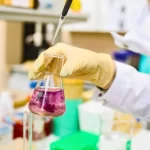
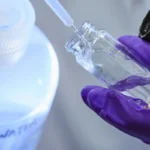
Finally, apply the water sample to the test components, such as strips or vials. Follow the specific kit instructions for processing time and measurement. Record your findings as directed, noting any color changes or digital readouts.
Interpreting Test Results and Next Steps
Interpreting test results can initially seem daunting, but it’s crucial for taking the right action. Each kit should include a reference chart or digital guide for comparison.
Compare the test results with the provided standards. Identify any indicators that exceed safe levels, paying special attention to harmful elements like lead or nitrates.
If contaminants are present, assess the severity and potential health risks. Consider retesting or consulting a professional for thorough analysis.
Implement corrective measures based on your findings. This may include installing filtration systems or using alternative water sources. Stay informed and proactive in maintaining safe water quality for your family.
Professional Water Quality Analysis
While home kits offer convenience, professional water quality analysis provides comprehensive assessments. Experts use advanced technology to detect a wide range of contaminants.
Professional testing is vital if health issues persist despite home tests showing no problems. These services can detect hidden or complex contaminants that are hard to identify with at-home kits.
When to Seek Professional Testing Services
Consider professional testing when purchasing a new home, especially if it has an older plumbing system. Changes in water taste, color, or smell also warrant expert analysis.
Additionally, if a natural disaster impacts your local water supply, seeking professional help ensures safety. Professionals provide a thorough evaluation, often necessary for regulatory compliance or peace of mind.
Maintaining Water Quality in Your Home
Maintaining good water quality at home begins with regular testing. Consistent checks help identify emerging problems early. This proactive approach ensures any issues are addressed promptly.
Implementing effective maintenance routines for plumbing systems also aids in preserving water quality. Leaks and corrosion can introduce contaminants, making regular inspections crucial.
Alongside inspections, using water filtration systems is beneficial. These systems remove many pollutants commonly found in tap water. Consider filters that address specific contaminants present in your local supply.
- Regularly test your water for contaminants.
- Inspect plumbing systems for leaks and corrosion.
- Use appropriate water filtration systems.
Practical Tips for Ensuring Safe Drinking Water
To ensure your drinking water is safe, stay informed about local water quality reports. Understanding these reports can highlight potential risks specific to your area.
Avoid using chemical pesticides and fertilizers near water sources. These substances can seep into water supplies, posing health risks. Instead, opt for natural alternatives that offer similar benefits without harmful side effects.
Lastly, encourage open communication with neighbors and local authorities. Sharing information and concerns can lead to community-wide improvements. Working together often yields better water quality for everyone involved.
Conclusion: The Importance of Proactive Water Quality Management
Water quality testing is crucial for protecting your family’s health. It’s about being proactive and addressing issues before they escalate. By routinely checking your water, you ensure a safe environment.
Taking action based on test results shows commitment to well-being. Implementing recommended changes safeguards against potential health threats. Prioritizing water quality management leads to lasting peace of mind.
Incorporating regular testing into your home maintenance routine pays dividends. It not only enhances daily life but also contributes to a healthier community. Embrace water quality management as an integral part of responsible living.
Share this on social media:
Facebook
Twitter
LinkedIn

Related Posts