How clean is NYC water really
- Published:
- Updated: February 17, 2025
Listen to this article
Summary
New York City’s water is renowned for its high quality, with rigorous testing and treatment processes ensuring it meets federal and state standards. The city’s water supply, sourced from the Catskill, Delaware, and Croton watersheds, serves over nine million people. The water undergoes disinfection using chlorine and UV light, with additional protection against lead through corrosion control measures. Despite its generally high quality, challenges like climate change, aging infrastructure, and emerging contaminants remain. The city continues to invest in watershed protection, technological advancements, and community engagement to safeguard its water supply.
- Pros: NYC’s water quality is exceptional due to extensive testing, rigorous treatment, and protection efforts, ensuring it meets health and safety standards.
- Cons: Ongoing challenges include climate change impacts, aging infrastructure, and potential contamination from pharmaceuticals and personal care products.
- Public Involvement: Community engagement and education are key to protecting water quality, with resources like lead testing kits and outreach programs available for residents.

New York City is renowned for many things. Its towering skyscrapers, bustling streets, and diverse culture are just a few. But did you know that NYC is also famous for its water?
Yes, you heard it right. The city’s tap water is often touted as some of the best in the nation. But how clean is NYC water really? This question is more complex than it might seem.
NYC’s water supply is a vast and intricate system, serving approximately 9 million people. It undergoes rigorous testing and treatment to ensure its safety. But like any urban water supply, it faces challenges.
In this article, we understand the intricacies of NYC’s water quality. We’ll explore the science behind water testing, the treatment processes, and the efforts to protect the city’s water supply. We’ll also discuss the challenges posed by climate change and the role of the community in safeguarding water quality. By examining key metrics such as pH levels, contaminants, and nyc water hardness, we can gain a clearer picture of how urban environments impact water quality. Additionally, engaging with local organizations and participating in community initiatives can empower residents to take an active role in preserving this vital resource. Ultimately, understanding these factors not only enhances public awareness but also fosters a collective responsibility towards ensuring access to clean and safe water for all New Yorkers.
So, if you’re curious about what’s in your tap or interested in the broader issues of urban water quality, keep reading. This comprehensive guide will provide you with valuable insights into the state of NYC’s water. You’ll learn about the rigorous testing protocols in place, the sources of NYC’s drinking water, and what to watch out for when it comes to potential contaminants. Understanding New York City water quality is crucial for both your health and for advocating for improvements in local infrastructure. Let’s dive into the components that make up this vital resource and how they affect you and your community.
NYC's Water Supply: A Vast and Complex System
New York City’s water supply stretches over a vast area, making it one of the largest systems globally. This network extends up to 125 miles from the city.
The system relies on three major watersheds: Catskill, Delaware, and Croton. These watersheds collect water through a series of reservoirs and controlled lakes.
- Catskill Watershed: Known for its high-quality water, it supplies about 40% of the city’s needs.
- Delaware Watershed: This is the largest of the three, providing about 50% of NYC’s water.
- Croton Watershed: The oldest, it adds approximately 10% to the supply, mainly during peak demand.
Managing this enormous supply is the NYC Department of Environmental Protection (DEP). The DEP ensures that water from these sources is delivered efficiently and safely to millions.
The DEP undertakes extensive measures to protect and maintain these watersheds. It implements programs to prevent pollutants from entering the water supply. The department also oversees a range of infrastructure and technological advancements.
Through its efforts, the DEP helps maintain the integrity and quality of New York City’s water. This ensures residents have access to clean, safe drinking water each day.
The Science Behind NYC Water Testing

New York City’s water undergoes a meticulous testing process to ensure safety and quality. Rigorous testing is essential given the size of the city’s water system. Each year, more than 500,000 individual water quality tests are conducted.
These tests cover a range of potential contaminants, ensuring that all safety standards are met. Water samples are taken systematically throughout the distribution system for comprehensive analysis.
- Contaminants Tested: Heavy metals like lead, microbial pathogens, and residuals from the treatment process.
- Testing Frequency: Daily checks at key points, with some parameters monitored continuously.
The NYC Department of Environmental Protection (DEP) compiles and publishes the annual Water Quality Report. This report is a vital tool for transparency, detailing the results of the extensive testing performed.
The report outlines any detections of substances in the water, comparing them to federal and state standards. It also provides context and reassurance to the public about the safety of their drinking water.
The significance of the report extends to building public trust and accountability. By sharing detailed water quality data, the DEP reinforces the safety measures in place. Ultimately, the integrity of the process demonstrates a commitment to maintaining exceptional water quality.
What's in Your Tap? Understanding NYC Water Treatment
The journey of NYC tap water doesn’t end at the reservoir. Treatment processes play a critical role before it reaches your tap. Water is treated to ensure it meets safety standards and is safe for consumption.
Chlorine is a primary disinfectant used to kill bacteria and viruses in the water supply. It has been an essential component of water treatment for decades. NYC’s water is also sometimes treated with UV light, which inactivates microorganisms.
- Treatment Chemicals: Chlorine, phosphoric acid, and sodium hydroxide.
- Microbial Disinfection: Chlorine and UV light are key players.
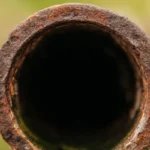
The threat of lead contamination mainly stems from aging infrastructure. While not widespread, lead can leach from old pipes and plumbing fixtures. The DEP offers residents free lead testing kits for peace of mind.
Pharmaceuticals and personal care products (PPCPs) have emerged as concerns in recent years. These substances can enter the water supply through waste disposal. Although they’re found in minute concentrations, their potential impact on health is still being studied.
Water treatment methods are designed to safeguard public health. The intricate processes ensure that contaminants are removed or neutralized. As technology advances, NYC continuously evaluates and refines these methods to adapt to emerging challenges.
The Unseen Shield: NYC's Watershed Protection Efforts
NYC’s water quality doesn’t rely solely on treatment processes. The city’s approach starts at the source. Protecting its vast watershed is crucial for maintaining high water quality standards.
The city has invested heavily in infrastructure to safeguard these critical areas. Watershed protection programs focus on maintaining natural lands and preventing pollution. These efforts ensure that the water remains pristine as it travels to the city.
New York City operates under a unique Filtration Avoidance Determination (FAD). This allows the city to avoid costly filtration by maintaining high water quality through protection measures. The FAD’s success hinges on rigorous watershed management and sustainable practices.
Infrastructure improvements are continuous and multifaceted. Projects include upgrading dams, aqueducts, and monitoring systems. By proactively protecting water sources, NYC ensures a consistent supply of high-quality drinking water. This approach is both economically beneficial and environmentally sustainable.
Climate Change and NYC Water: Navigating Future Challenges
Climate change poses a serious challenge to NYC’s water quality and supply. Altered rainfall patterns and rising temperatures can affect watershed ecosystems. These changes may lead to issues like increased turbidity and flooding.
To combat these potential impacts, NYC invests in green infrastructure. These initiatives help manage stormwater and reduce pollution. By implementing bioswales, green roofs, and permeable pavements, the city enhances its resilience to climate change.
Water conservation is another vital strategy. NYC encourages residents and businesses to minimize water usage. Despite population growth, these efforts have led to a significant decrease in water consumption. This prudent management is key in adapting to future demands.
The city also focuses on protecting its natural resources. Restoration projects aim to preserve wetland areas, which play a critical role in maintaining ecological balance. By integrating conservation efforts with urban planning, NYC aims to secure its water future amid climate uncertainties.
Public Health and Safety: The Role of Water Quality Monitoring
Ensuring public health is a core objective of NYC’s water quality monitoring. Rigorous testing plays a crucial role in preventing waterborne diseases. These tests are designed to detect pathogens like bacteria, viruses, and protozoa that threaten public health.
Maintaining the integrity of the water distribution system is essential. Any breach in the system can lead to contamination, posing risks to millions of residents. Regular inspection and upkeep are vital to preventing such scenarios.
The NYC Department of Environmental Protection (DEP) conducts over 500,000 water tests annually. This extensive monitoring ensures that the water meets both federal and state quality standards consistently. It provides transparency and reassures the public about the safety of their drinking water.
Continuous monitoring not only detects existing issues but also helps anticipate future challenges. By identifying trends and potential risks early, the city can proactively address them. This vigilant approach underscores NYC’s commitment to safeguarding public health.
The Community's Role in Protecting NYC Water Quality
Community involvement is vital in maintaining NYC’s water quality. Citizen science initiatives empower individuals to contribute to water monitoring efforts. Residents can participate in data collection, helping identify potential concerns early.
Educational programs play a significant role in raising awareness. These initiatives inform the public about water conservation practices and pollution prevention. Knowledge is power, and informed citizens are better equipped to protect their water supply.
Individual actions can make a substantial impact on water quality. Simple steps, like properly disposing of hazardous materials, can prevent contamination. Reducing the use of harmful chemicals in households also contributes to a healthier watershed.
Community efforts extend beyond individual action. Local groups and non-profits advocate for water quality improvements and policy changes. By uniting their voices, they can drive meaningful environmental progress in the city. Through collaboration, NYC’s water can remain safe and clean for future generations.
Regulatory Framework: Ensuring Safe Drinking Water for All
The regulatory framework for NYC’s water quality is robust and comprehensive. Federal regulations, including the Safe Drinking Water Act (SDWA) and the Clean Water Act (CWA), play pivotal roles. These laws set the standards for drinking water quality nationwide and aim to protect water sources from pollution.
The New York City Department of Environmental Protection (DEP) ensures strict compliance with these regulations. The DEP monitors and manages the city’s extensive water supply system to meet or exceed federal guidelines. Their diligent oversight involves regular inspections and a proactive approach to preventing potential issues.
Enforcement measures are critical to maintaining high water quality standards. The DEP conducts over 500,000 water quality tests annually. This rigorous testing regime helps identify and address any deviations from acceptable levels promptly.
In addition to compliance, NYC consistently seeks innovative strategies to improve water safety. The DEP works collaboratively with federal and state agencies to enhance enforcement capabilities and secure the city’s water resources.
Innovations and Technologies in Water Quality Management
Advancements in technology have significantly impacted water quality management in New York City. Innovative tools are employed to enhance the accuracy and efficiency of water monitoring processes. These include real-time sensors and data analytics, which allow for continuous assessment of water quality parameters.
State-of-the-art treatment technologies play a pivotal role in maintaining water safety. Ultraviolet (UV) disinfection and advanced filtration systems target specific contaminants like bacteria and protozoa. These technologies ensure that NYC tap water is safe and free from harmful pathogens.
Research and innovation are essential drivers of water quality improvements. NYC invests in cutting-edge research to develop new treatment methods and improve existing systems. Collaborative efforts with academic institutions and private organizations foster the exchange of ideas and technological advancements.
The commitment to technological innovation underscores NYC’s dedication to water quality excellence. By adopting new methods and technologies, the city continues to safeguard public health and ensure safe drinking water for all residents.
Conclusion: The State of NYC Water Quality Today
New York City’s water quality remains a testament to the city’s commitment to public health and environmental stewardship. The rigorous testing and treatment processes have consistently delivered water that meets and often exceeds federal standards. This achievement is a result of coordinated efforts involving technology, regulation, and community engagement.
However, maintaining this high standard requires continuous effort. The challenges posed by climate change, infrastructure aging, and emerging contaminants demand constant vigilance. It is essential to adapt and refine strategies to sustain water quality.
Investments in infrastructure and innovation are crucial to future success. By prioritizing water quality in policy and practice, New York City can ensure a safe and reliable water supply for generations to come.
Share this on social media:
Facebook
Twitter
LinkedIn

Related Posts