Barium in Drinking Water: An In-Depth Analysis for NYC Residents
- Published:
- Updated: January 17, 2025
Listen to this article
Summary
Barium, a naturally occurring heavy metal, can seep into NYC’s water supply through natural processes and industrial activities. While the city has effective systems in place, prolonged exposure to high barium levels can pose health risks.
- Long-term barium exposure can lead to hypertension and cardiovascular disease.
- Barium enters water from natural weathering, industrial runoff, and construction.
- NYC’s water treatment maintains barium levels well within EPA standards.

We all live with water. Water – particularly its quality – is more than just the source of our vital biological activities. New Yorkers, who are accustomed to having some of the best tap water in the country, would probably not think twice about the possibility of trace contaminants in their water supply. The most probable one is barium, an element that naturally occurs and that has health effects when elevated to certain levels.
What is Barium and Where Does It Come From?
Barium is a heavy metal present naturally in the crust of the planet. It is typically used in many industrial fields like painting, brick, ceramic, and rubber production. However much we use it industrially, the main means by which barium is present in our environment is natural.
For example, it will enter groundwater and surface water by natural weathering of rocks and barium-bearing minerals. The most abundant source of barium in our world is the natural process itself, but we can also have it in our water supply through industrial processes.
How Barium Gets into NYC's Drinking Water
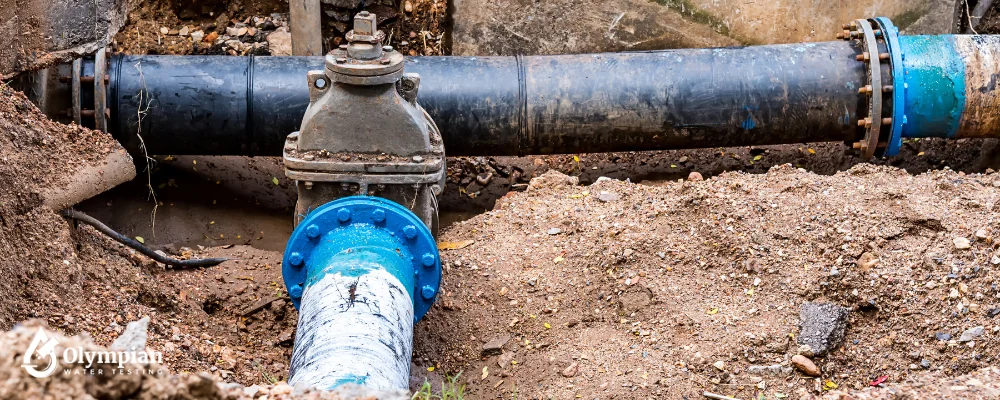
How barium can make its way into NYC’s water supply is an important first step to avoiding contamination. Barium can find its way into the city’s waterways by natural mechanisms, as we’ve seen, but also by industrial effluent and mining effluent. New York City has neither heavy industry nor mining but they should be given a thought if considering barium sources.
Water discharge from construction projects, industrial waste not properly treated, or even fallout from aerosols of barium can add to the concentration of barium in NYC water. And don’t get me wrong, though: the city has sophisticated water treatment systems and regulations to keep these contaminants as low as possible.
Health Risks of Barium in Drinking Water
Small amounts of barium aren’t usually toxic, but over time there can be detrimental health consequences from exposure to high levels of barium in drinking water. In some health studies, barium ingested regularly is even linked to hypertension and cardiovascular disease.
With these health risks in mind, NYC residents need to know exactly how much barium they have in their tap water and how to take care of it. The most important steps towards safe, healthy water is awareness and monitoring.
Current Barium Levels in NYC's Water
Although NYC is famous for its great tap water, residents should also know how many contaminants (barium) are in it currently. City of New York reports from the Department of Environmental Protection detail water quality in the city, including barium.
These reports usually find NYC’s tap water well within health and environmental agencies’ safe barium limit. But the level should be kept in mind for everyone, especially if you have to deal with local construction or a change in water sources within the city.
Regulatory Standards for Barium
There must be regulation in order to keep our drinking water safe. These regulations limit public water systems to safe levels of barium. The US Environmental Protection Agency (EPA) has set a limit for barium in public water supply.
NYC’s water quality is regularly on par, if not higher, than these standards, as documented by the city’s water quality reports. However, identifying those standards and how the city is performing in relation to them is very important to residents because then they have something against which they can judge whether their water is safe.
Testing for Barium in Your Home
If you’re worried about the health effects of barium, check your home water for this metal in NYC. Different home-testing kits are on the market. They usually consist of taking a water sample and sending it to a laboratory.
The city tests the water at its treatment plants all the time, but those tests may not be adequate for water at the tap. As such, home-testing can be an additional assurance and it is especially useful for those who live in older buildings and have a concern with corrosion on pipes.
Remedial Measures to Remove Barium
There are a few things that you can do if you find your household water is full of barium. Some of these include:
Drinking water filters: There are water filters like reverse osmosis systems which can remove barium from water.
Moving to another water source: If the situation is really serious, you might need to move to another water source (a bottled water example) until the problem is fixed.
Getting a water quality professional to work on what is best and appropriate for you depends on how much water you’re experiencing.
NYC's Approach to Managing Barium Levels
New York City’s control of barium in its drinking water is complex. It is frequent testing and surveillance, strict compliance, and sophisticated water treatment systems. Having good quality water is an example of how such measures work. NYC’s solution has mostly worked, but barium in bottled water is an ongoing battle. It must be monitored, publicized, and kept up to date with research and technology. As citizens, staying educated and taking action is a vital piece of that work, in making sure NYC’s water continues to be safe and high quality. New York City’s efforts to maintain safe drinking water also involve collaboration with a water analytical laboratory that conducts detailed assessments of water quality. This facility plays a crucial role in identifying contaminants and ensuring compliance with health standards. By leveraging advanced testing methodologies, the laboratory contributes to the ongoing assurance that NYC’s water remains a model of safety and reliability for its residents.
Conclusion
NYC’s drinking water needs to be kept vigilant against contaminants such as barium. While barium is currently reported as being within the EPA’s safe limit, high levels can lead to serious health effects (high blood pressure, heart disease, and so on) if exposed for long periods of time. NYC’s advanced water treatment plants do a good job at managing these contaminants, but city construction and environment can change barium levels. Even more can be done to be extra careful: test your home’s water — especially in older buildings — and purchase a water purifier such as reverse osmosis systems if barium is detected. NYC’s combination of surveillance, oversight and education keeps the city’s water one of the safest in the country.
Share this on social media:
Facebook
Twitter
LinkedIn

Related Posts