An Investigation into Benzene Levels in NYC’s Water
- Published:
- Updated: December 16, 2024
Listen to this article
Summary
Benzene, a carcinogenic substance, can pose serious health risks when found in NYC’s water supply. Despite rigorous testing, industrial activities and pollution contribute to potential contamination. Monitoring benzene levels remains crucial to ensure safe drinking water.
- Benzene exposure may lead to severe health issues like anemia or leukemia.
- NYC’s complex water supply system requires advanced testing for benzene.
- Contaminants like benzene can enter water through industrial discharge and vehicle emissions.

Benzene, a ubiquitous, underreported chemical that is potentially lethal when high enough levels are found, like in our drinking water. Even though often unseen by being colourless and sweet-smelling, the possible consequences of benzene are serious. Particularly in a city such as New York City, where millions of people depend on a sprawling, highly entangled water infrastructure, a check on pollutants such as benzene is not only good practice – it’s mandatory.
Benzene and Its Impact on Health
Benzene is a colourless, volatile liquid hydrocarbon that’s found in petroleum. It’s employed from as an industrial chemical styrene to a component of gasoline. But even in use, benzene is a known carcinogen, which can be fatal to human health in high levels. Exposure is long-term and could damage the bone marrow in a way that causes anemia or leukemia.
The maximum contaminant value for benzene in drinking water by the United States Environmental Protection Agency (EPA) is 5 parts per billion (ppb). Any more than that can be harmful, so regular benzene monitoring in waterways is important. These effects and boundaries are key to appreciating the value of a water supply that’s not just abundant, but healthy.
NYC's Water Supply – An Overview

In the United States, New York City, with more than 8 million inhabitants, is one of the biggest water systems in the world. Water for the city comes from a series of reservoirs and lakes in a nearly 2,000 square mile watershed in Upstate New York. The infrastructure is a feat of engineering, providing fresh water in one of the world’s largest cities 24/7.
This supply is cleaned and tested every few days for quality control. Even after this vast step, contaminants still end up in the water. We already have infrastructure to handle most pollutants, but benzene, because it’s volatile, is a particularly unresolvable issue for urban water safety.
Testing Methodologies for Benzene in Water
Benzene testing water is not a simple matter. It’s mainly because benzene is volatile, so it can easily evaporate during test, causing errors. The two most common methods of testing are Gas Chromatography (GC) and Purge and Trap Concentrator which use benzene’s volatility.
In Gas Chromatography process, the water sample passes along a thick long column. The column is coated with something that reacts differently with benzene than with other molecules, and so it can be isolated. Purge and Trap Concentrator vs. Pampa Method: The purge and trap method "purged" the water sample by inert gas and the benzene vaporised and "trapped" as a concentrated solution for measurement. Both of these approaches require advanced technology and personnel – this is why water safety needs infrastructure.
Past Studies on Benzene Levels in NYC's Water
The City of New York has always been very concerned about water quality and hundreds of studies have been done over the years to make sure. But out there in the polis, you have to keep that watch and change with the environment. Particularly benzene, tests on that have come up in multiple reports, which have been found generally within safe limits, partly thanks to the city’s strict testing and treatment practices.
But those researches also raise areas for alarm. Some have suggested seasonal fluctuations in benzene, others local sources of contamination. These data demonstrate that more monitoring and research are required in order to maintain the city’s water for its millions of inhabitants.
Comparison with Other Major Cities
The benzene concentrations in NYC’s water supply aren’t a singular problem, they’re part of a global issue. It’s telling to see how the issue works in New York City and how it does in other large cities.
City centres such as Los Angeles, for example, populated with a high volume of automobiles and manufacturing, have been hit by benzene pollution, too. Cities such as Toronto, on the other hand, with a good supply of fresh water and different industrial character, have had less benzene.
These comparisons aren’t meant to rank cities but to highlight that water safety is a global issue that must be taken seriously by all. Every city is different and its own factors and its own issues and it will help you understand these in an efficient manner and see how to best address the problem.
What are the sources of benzene in New York City?
It is necessary to know where benzene may be coming from in NYC’s water before trying to find ways to decrease it. Here are some likely sources:
Worksite pollution: If benzene is being produced by industry it can be leached into the water supply.
Car exhaust: Benzene is a part of the fuel, and car exhaust can be a source of it in the air and eventually in the water.
Leakage from storage tanks and pipelines: Underground and surface storage tanks and pipelines leak benzene into the ground and soil.
This knowledge about the sources can inform precise methods for benzene pollution reduction.
Current Benzene Levels and Analysis
This information is important because it’s what’s happening with benzene in NYC’s water right now. The latest reports showed that benzene levels are mostly below the EPA’s safe range. That’s because of the city’s water-treatment systems and testing processes.
But, too, it’s also occurred where even higher levels were found. These are local and transient, coming from a specific type of event like an industrial accident or a pipeline burst. These events are worrisome, but in general the city’s action has been prompt and swift, with limited effects on the city’s broader water supply.
Steps Towards Improvement
Now that we know the amount of benzene in NYC’s water and how much benzene could be damaging to the water supply, there are some things we can do to make it better. If you’re a city, better water testing and treatment equipment, as well as tighter regulation of the industries that process benzene, can make a big difference in minimising contamination.
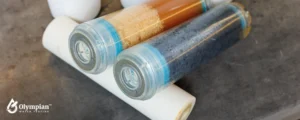
Awareness of the problem is the first step, for locals. Water filters to filter out benzene are easy things that families can do. And there is a lot we can do by pushing for better water policy and supporting measures to save the city’s water sources.
The investigation of benzene in NYC water isn’t a textbook project. And it’s part of a plan to ensure the people of the city have clean, safe water – a human right. Knowing it and taking action on it will allow us all to help keep our city healthy.
Conclusion
In NYC’s water supply, you have to be vigilant – especially when it comes to benzene contamination. Even though, to this day, testing indicates that benzene levels are usually well within EPA standards, local exposures from industrial emissions, pipeline spills or vehicle emissions signal the risk is there to stay. Monitoring on a regular basis with modern techniques such as Gas Chromatography makes sure that benzene’s flammability is being properly compensated for. And homeowners can do their bit too, with filters and cleaner water efforts. Water management requires cooperation between city government, industry and the public. As NYC grows, such actions will not only save lives, but also ensure the sustainability and water safety of future generations.
Share this on social media:
Facebook
Twitter
LinkedIn

Related Posts