Unveiling the Threat: Uranium Contamination in Brooklyn’s Drinking Water
- Published:
- Updated: January 18, 2025
Listen to this article
Summary
Uranium contamination in Brooklyn’s drinking water poses serious health risks, particularly affecting the kidneys, bones, and potentially increasing cancer risks. While uranium is a naturally occurring element, human activities such as industrial processes and aging water infrastructure exacerbate the problem. Testing methods, including lab analysis of water samples, help detect contamination. Although Brooklyn has faced previous uranium contamination, proactive measures such as infrastructure updates, strict regulations, and community engagement are crucial for preventing future incidents.
- Uranium exposure can cause kidney disease, weaken the immune system, and increase cancer risks.
- Testing and monitoring Brooklyn’s aging water infrastructure are vital for preventing contamination.
- Community awareness and government action are key to ensuring safe drinking water.

The invisible menace in Brooklyn’s contemporary renaissance crawls backwards, into houses, schools and shops. When water – the life force – comes gushing down our faucets, a foreign guest, uranium, stains the purity of that sacred resource. The urban borough with its own cultural pride and architectural splendour is now under attack from the other side. The creeping infestation of uranium contamination in Brooklyn’s water is one we should take seriously, and do something about.
The Uranium Contamination
A naturopathic metal, uranium can become toxic when it leaches into our drinking water. This radioactive compound is in soil, rock, and even groundwater. When it comes in trace forms, it’s quite benign. But, if added to drinking water, uranium is harmful to health. It’s not easy to avoid uranium contamination in our water supply, and especially in Brooklyn where there are so many people and old infrastructure that we can’t afford to ignore it.
Methods of uranium contamination vary. Natural erosion of rocks and soil can leach uranium into groundwater, and eventually our water supplies. Processes like mining and chemical production can contaminate too. Insofar as these activities are undertaken in a negligent or a lack of protective measures, uranium leaches into surface water.
What are the health implications of uranium exposure?
Large quantities of uranium damage the human body. This foreign object can’t filter out easily from the kidneys, usually the first organ involved. Exposure is cumulative, and the disease is potentially fatal kidney disease. There’s also the bone marrow, the body’s production plant for blood cells. All of which can cause a myriad of problems, from anemia to impaired immune systems.
Longer exposures can also increase cancer. Radioactive uranium disrupts the natural activity of body cells and causes mutations that can become cancerous. Even if further study is needed before a direct association between uranium and certain cancers can be established, so far the evidence is unsettling. What’s especially worrisome is the risk to vulnerable populations, from children whose developing organs can be permanently compromised, to pregnant women who unwittingly pass on the harms to their offspring.
Testing Methods for Uranium in Water
For testing drinking water for uranium, there are a few steps you need to take:
They take water samples from every single part of the water network.
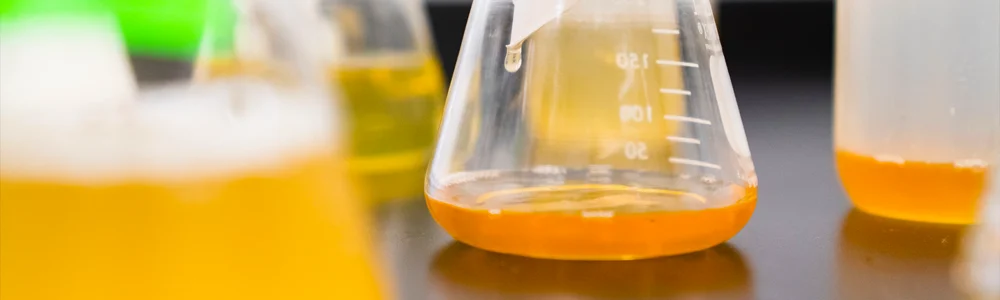
They are then sent to a lab for analysis with advanced technology.
If it finds uranium, it goes through tests to identify its percentage.
Once uranium is detected, it’s important to see how extensive the contamination is. That means collecting samples from different points in the water supply system. This is not easy and takes a lot of technology to accomplish, but it’s vital to public health.
Historical Instances and Recent Findings in Brooklyn
This uranium contamination issue is nothing new in Brooklyn. The previous cases showed how exposed the borough’s water supply was. New research has put this matter back on the front page. There are contaminated water sources in which uranium has been detected by municipal authorities, water companies and even independent researchers.
It is how common these kinds of cases are that tells us the severity of the problem. But all events are opportunities to be self-adjusted. We can learn what caused contamination in the past to avoid future events, and formulate plans for reducing current contamination.
Brooklyn's Water Infrastructure and Uranium Pathways
Understanding Brooklyn’s water system gives a better idea of how uranium might get there. There are old pipelines, lack of filters, and the borough’s proximity to industrial sites. Brooklyn gets most of its water from reservoirs and wells that are dangerous if they’re near uranium-rich soil or industrial zones.
More troubling is that Brooklyn still has 19th-century infrastructure. Even after many updates and enhancements through the years, there are parts that are still very outdated and could even be polluted. The challenge is not just to be better, but to upkeep and track this planetary super network.
Legal Regulations and Government Response
What officials do is just part of the drama. Regulatory limits set by the federal and state government control the level of uranium allowed in water. Yet it’s the enforcement and compliance that can be the problem. It’s government agencies like the Environmental Protection Agency and the New York State Department of Health that regulate, monitor and correct.
At home, the response from authorities in Brooklyn has been mixed. Although efforts have been made to deal with it, public protest means stronger and sooner action is needed. This kind of transparency, continuous surveillance, and regular contact with residents are essential parts of a solution.
Community Awareness and Engagement
Knowing is believing, as the old adage goes. Increased community knowledge and involvement is an essential part of the fight against uranium pollution. It’s all up to public education and water testing at home and workplaces.
Public meetings to talk about the problem and potential solutions.
Building resources and education materials on the internet.
Organization of neighborhood cleanups and teaching citizen behavior by modeling stewardship.
Individual residents could also take their own preventative measures to protect their health, such as putting in water filters and having their water tested on their own. Residents’ active involvement can enact the bigger shift and pressure officials into action.
Future Implications and Solutions
Going forward, we must get to solutions. Infrastructure works such as removing pipes and installing better filtration devices are part of that. Not least regular monitoring and timely handling of cases of contamination.
Government, environmental institutions and the local community can work together too, to find solutions. New technologies for detecting and decontaminating water, tougher regulations, and better public education will all help keep Brooklyn’s water safe. The uranium disaster is terrifying, but if we collectively work together we can chart a way towards a more healthier world.
Conclusion
When uranium turns up in Brooklyn’s tap water, we need to keep watching and doing. The mineral might be natural, but its health-threating potential, when it can get into toxic proportions, demands a complete solution. The borough’s ageing water infrastructure, combined with industrial activity, puts it at high risk of this contamination. Safety of the public will require a complex mixture of testing, infrastructure improvement and strict regulatory enforcement.
Public education and involvement also matters. Aside from educating the public on the dangers of uranium, encouraging routine water testing and encouraging preventative health interventions are the essential components of dealing with the contamination. Transparency, communication and swift response to public concerns should be at the heart of local government. In collaboration with environmental organizations, public officials, and residents, Brooklyn can keep its water supply safe for future pollution. Access to safe and clean drinking water isn’t only a technical matter, it’s a moral one for the welfare of the whole community.
Share this on social media:
Facebook
Twitter
LinkedIn

Related Posts