


Volatile Organic Compounds (VOCs) refer to a group of chemicals having high vapor pressure and low water solubility. This property makes them volatile making them part of the atmosphere in the form of vapors and gases which makes them susceptible to causing negative impacts on the environment, human health, and also in climate change.VOCs become more persistent once they become part of groundwater resulting in contamination of drinking water. Major sources of VOCs in the environment are due to various anthropogenic activities including industrial (use, and disposal of industrial products such as solvents, paints, and adhesives), transportation comprising fossil fuel combustion (gasoline and diesel), consumer products (household and personal care products, cleaning supplies, air fresheners, cleaning supplies), agriculture (pesticides and fertilizers), and waste and landfills.
However, natural sources such as vegetation and wetlands also contribute to VOCs spread in the environment. VOCs can contaminate drinking water in many ways including agricultural and industrial sources, leakage from underground storage tanks, and landfills seepage. Some commonly reported VOCs in drinking water include benzene, chloroform, tetrachloroethylene, trichloroethylene, styrene, etc. From these sources, VOCs may become part of surface and groundwater through runoff and leaching processes resulting in contamination of drinking water as most of the supplied drinking water in the US comes from these sources after suitable treatment. The USEPA regulates VOCs in drinking water through the Safe Drinking Water Act and has set MCLs for certain VOCs. However, not all VOCs have an MCL, and monitoring for all VOCs is not required by all water systems taking into account the latest scientific and medical knowledge.
Moreover, the presence of VOCs in drinking water does not always mean that the water is unsafe to drink as it mainly depends on the levels of VOCs detected in drinking water along with exposure duration. Therefore, it is necessary to monitor and test for VOCs in drinking water based on their likelihood of occurrence and potential health impacts ensuring its safe consumption to US residents. Among various VOCs regulated by USEPA with MCL includes benzene (0.005 mg/L), carbon tetrachloride (0.005 mg/L), chloroform (0.080 mg/L), tetrachloroethylene (PCE) (0.005 mg/L), and 1,2-dichloroethane (0.005 mg/L). In addition to EPA regulations, states may also establish their own VOCs regulations in drinking water as stringent as the federal regulations.
For example, the New York State Department of Environmental Conservation (DEC) regulates VOCs in drinking water by setting MCL for VOCs and requiring public water systems to regularly monitor and treat water exceeding the MCL in NYS. Similar criteria are for New Jersey where the water contamination related to VOCs is regulated by the New Jersey Department of Environmental Protection (NJDEP). In 2002, a law was passed in NJ requiring private domestic well owners to get their raw or untreated water tested for various contaminants including VOCs, and disclose the results prior to selling or leasing properties. The adverse impacts of VOCs in drinking water may vary depending on the specific compounds and their concentration. Their exposure to drinking water can adversely affect human health based on exposure duration and individual susceptibility. Short-term exposure may cause eye, nose, and throat irritations, headaches, dizziness, and nausea.
Whereas, their chronic exposure has been associated with various diseases mainly including certain cancers, and respiratory and neurological issues. For example, long-term exposure to benzene has been related to the development of leukemia while formaldehyde has been associated with cancers and respiratory diseases such as asthma. Since VOCs consist of many chemical substances mainly of xenobiotic origin comprising legacy and emerging compounds, and few of them are regulated by EPA by setting MCLs. It is important to regularly monitor and regulate emerging contaminants lying under the VOCs category in drinking water to ensure a safe drinking water supply to US consumers. Moreover, actions should be taken by the authorities to reduce or remove levels of VOCs in the water supply if concentrations of detected VOCs are beyond the MCL.

Among the most widely studied VOCs in water include compounds having halogenated and carbonyl groups particularly aldehydes (Chen et al. 2015). In the US, a national assessment for 55 VOCs was carried out in 2006 based on 2401 domestic wells water samples collected during 1985-2002. Results suggested 65% of the analyzed samples contained VOCs mixtures with frequent detection of chloroform, toluene, 1,2,4-trimethylbenzene, and perchloroethene. However, the general concentration of VOCs was <1 µg/L hence considered safe for drinking. The study also identified about 1.2% of samples having VOCs levels above MCL mainly including dibromochloropropane, 1,2-dichloropropane, and ethylene dibromide (fumigants); perchloroethene and trichloroethene(solvents); and 1,1-dichloroethene (organic synthesis compound) (Rowe et al. 2007).
VOCs when entered into the body, may adversely impact human health through cellular and molecular mechanisms. This includes DNA damage leading to mutations and increased cancer risk (Sisto et al. 2020), generation of reactive oxygen species causing oxidative stress leading to cell death, inflammation, and genetic mutations (Sisto et al. 2020), disruption in hormones functions (Kuster et al. 2010), and altered enzymes and protein functions (Hakim et al. 2012). Being volatile, VOCs may enter the human body through different pathways including inhalation, dermal contact, and ingestion. Their toxicity inside the body mainly relies on metabolism and individual susceptibility that may cause damage to the liver, kidney, and other organs.
Further, the metabolism of VOCs among individuals may vary depending on the specific compound, exposure route, and duration. However, the general pathways for VOCs metabolism involve phase I metabolism in which VOCs are first metabolized by liver enzymes known as cytochrome P450 which activate the compound by adding oxygen and/or hydroxyl group making it water-soluble in order to facilitate its excretion from the body (Bouza et al. 2017). Following this, the modified compound in phase I get conjugated with another compound such as glutathione or glucuronides to make it, even more, water-soluble during phase II metabolism resulting in the excretion of metabolite in the urine or bile (Sadgrove et al. 2021). It is important to note that the toxic mechanisms associated with VOCs exposure through drinking water may vary among organs and tissues and can further be influenced by various genetic and environmental factors.


VOCs can be detected in drinking water through various methods. The most widely used technique includes the EPA’s purge and trap method utilizing GCMS ( no. 524.2) which encompasses 84 VOCs (Ikem 2010). The method separates various VOCs based on their chemical properties and detects them using a specific detector i.e MS or FID. The method is highly sensitive with the potential to quantify a wide range of VOCs however, the limitation includes its expensive costs and it is also a time-consuming technique. Water samples having high dissolved solids levels can be quantified for VOCs using Headspace gas chromatography (HS-GC). The method has similarity to GC except it involves the collection of volatile compounds in the headspace of a sealed container (Antoniou et al. 2006; Cavalcante et al. 2010).
More recent approaches for VOCs measurement include highly sensitive liquid chromatography-tandem mass spectrometry (LCMS/HRMS) (Jin et al. 2022). Chromatography-based quantification of VOCs requires a rigorous sample pretreatment before subjecting it to GC or LC system. This includes solid-phase microextraction (SPME), Passive sampling using diffusive gradient thin films (DGTs), and liquid-liquid extraction involving organic solvents to extract VOCs from water samples. Apart from these, some portable field instruments have also been developed which can detect VOCs presence in driking water on-site. This includes photoionization detectors (PID), flame ionization detectors (FID) and flame phometric detectors (FPD). However,the these methods have lower detectability and sensivity compared to the lab-based approaches. Therefore, the choice of method to quantify VOCs purely relies on the specific VOCs of interest, the expected concentration in drinking water as well as available resources.
Several methods have been developed to remove VOCs from drinking water. Widely used methods include the use of nanofiltration membranes and reverse osmosis with the potential to remove >93% of VOCs from drinking water (Ainscough et al. 2021; Altalyan et al. 2016). Aeration is also an effective method to remove volatile compounds having high vapor pressure e.g. benzene or toluene by exposing water to air resulting in VOCs removal through volatilization. Moreover, biological treatment involving microbes to degrade or remediate VOCs are also a very efficient, cost-effective, and widely used treatment strategy but the process is slow and demands specific conditions for successful treatment to remove VOCs from water (Li et al. 2020; Meena et al. 2021).
More recently, advanced oxidation processes (AOPs) have been developed that use oxidants such as hydrogen peroxide (H2O2), UV light, and/or ozone to break down harmful VOCs into non-toxic or less toxic compounds. However, the limitation of this approach includes its highly expensive costs and the complexity to operate the process (Giwa et al. 2021; Liu et al. 2017). Some other efficient methods for VOCs removal from drinking water include activated carbon filtration and ozonation. While using a suitable removal method, it is important to consider potential by-products as well that are formed during the treatment process and may have potential human health and environmental risks.

Following frequently asked questions (FAQs) try to address some general public concerns in the US, especially the NYC and NJ region.
VOCs have the potential to either vaporize into the air or dissolve in water. VOCs are pervasive in daily life because of their wide application in industry, agriculture, transportation, and day-to-day activities around the home.
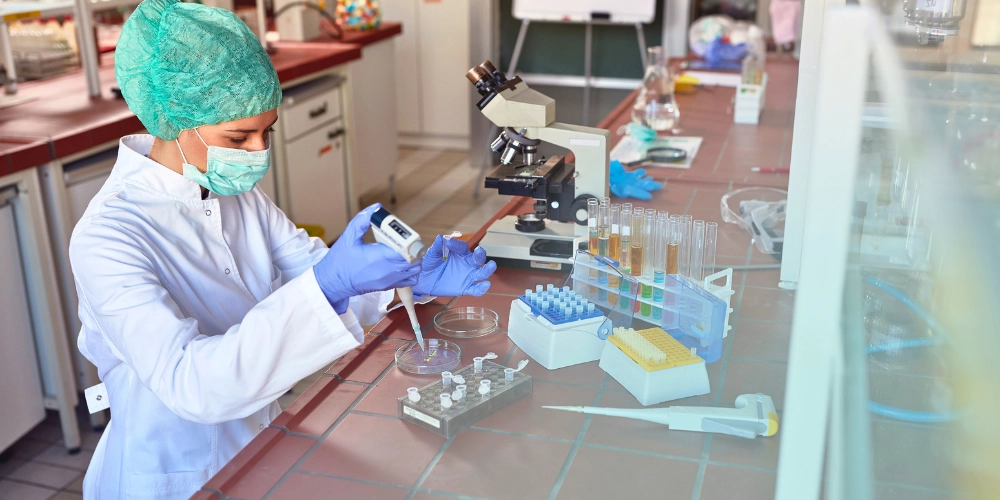
The only way to effectively test VOCs in drinking water is to take a water sample and send it to a certified laboratory.
Exposure to VOC vapors can cause a variety of health effects, including eye, nose, and throat irritation; headaches and loss of coordination; nausea; and damage to the liver, kidneys, or central nervous system. Some VOCs are suspected or proven carcinogens.
RO is one of the most dependable water purification systems to use for VOCs removal. RO systems are capable of eliminating >90% of the VOCs in drinking water.
When VOCs enter the human body, they get converted to carbon monoxide leading to symptoms such as headache, dizziness, weakness, nausea, and shortness of breath. Prolonged exposure to high levels of VOCs can result in more severe conditions such as loss of consciousness and irreversible brain damage.
Some VOCs comprise known carcinogens while others are suspected carcinogens, meaning they are thought to cause cancer in exposed people but demand more research. For example, Benzene is known to cause leukemia, especially acute myelogenic leukemia.
When VOCs are spilled or disposed of on or below the land the VOCs contaminants can migrate through soil and into the groundwater. Once they enter groundwater, VOCs can remain there for years. These chemicals move with the groundwater and pose a threat to nearby drinking water wells.
Boiling tap water can only be effective for certain VOCs, and should not be a reliable treatment option. Further boiling may result in additional problems by releasing VOCs into the air, creating air quality hazards, as well as concentrating heavy metals.
Health effects from VOCs are usually temporary and improve once the exposure source is identified and removed. These health effects can include eyes, nose, throat, and skin irritation. Headache, nausea, and dizziness may occur, as well as fatigue and shortness of breath.
Private wells located near industrial or commercial areas, gas stations, landfills, railroad tracks, or farm fields can be at risk of VOCs contamination from where these contaminants can contaminate ground and surface water through leaching and runoff processes resulting in drinking water contamination.
Testing for VOCs in water is crucial to assess potential contamination. VOCs may pose health risks, and monitoring ensures compliance with water quality standards.
VOCs, or Volatile Organic Compounds, are a group of carbon-based chemicals that can evaporate into the air and may be present in water. They originate from various sources, including industrial processes, fuel combustion, and household products.


VOCs include chemicals with high vapor pressure and can be found in drinking water. Their presence has been reported in US drinking water and therefore demands regular monitoring of these chemicals to ensure public health safety. USEPA has regulated a few commonly used VOCs by establishing their MCL in drinking water. However, the list should be revised and updated based on the newly introduced chemicals discharged into the environment resulting in the contamination of drinking water.
Furthermore, epidemiological studies comprising drinking water exposure data along with human biological data should be considered as an important prospect to understand the mechanisms underlying VOCs toxicity among exposed individuals. Further, it must be ensured to treat the drinking water has VOCs levels above MCL to ensure a safe drinking water supply to US residents.
Ainscough TJ, Oatley-Radcliffe DL, Barron AR. 2021. Groundwater remediation of volatile organic compounds using nanofiltration and reverse osmosis membranes—a field study. Membranes. 11(1):61.
Altalyan HN, Jones B, Bradd J, Nghiem LD, Alyazichi YM. 2016. Removal of volatile organic compounds (vocs) from groundwater by reverse osmosis and nanofiltration. Journal of Water Process Engineering. 9:9-21.
Antoniou CV, Koukouraki EE, Diamadopoulos E. 2006. Determination of chlorinated volatile organic compounds in water and municipal wastewater using headspace–solid phase microextraction–gas chromatography. Journal of Chromatography A. 1132(1-2):310-314.
Bouza M, Gonzalez-Soto J, Pereiro R, de Vicente JC, Sanz-Medel A. 2017. Exhaled breath and oral cavity vocs as potential biomarkers in oral cancer patients. Journal of breath research. 11(1):016015.
Cavalcante RM, de Andrade MV, Marins RV, Oliveira LD. 2010. Development of a headspace-gas chromatography (hs-gc-pid-fid) method for the determination of vocs in environmental aqueous matrices: Optimization, verification and elimination of matrix effect and voc distribution on the fortaleza coast, brazil. Microchemical Journal. 96(2):337-343.
Chen X, Luo Q, Wang D, Gao J, Wei Z, Wang Z, Zhou H, Mazumder A. 2015. Simultaneous assessments of occurrence, ecological, human health, and organoleptic hazards for 77 vocs in typical drinking water sources from 5 major river basins, china. Environmental pollution. 206:64-72.
Giwa A, Yusuf A, Balogun HA, Sambudi NS, Bilad MR, Adeyemi I, Chakraborty S, Curcio S. 2021. Recent advances in advanced oxidation processes for removal of contaminants from water: A comprehensive review. Process Safety and Environmental Protection. 146:220-256.
Hakim M, Broza YY, Barash O, Peled N, Phillips M, Amann A, Haick H. 2012. Volatile organic compounds of lung cancer and possible biochemical pathways. Chemical reviews. 112(11):5949-5966.
Ikem A. 2010. Measurement of volatile organic compounds in bottled and tap waters by purge and trap gc–ms: Are drinking water types different? Journal of Food Composition Analysis. 23(1):70-77.
Jin X, Wu Y, Santhamoorthy M, Le TTN, Yuan Y, Xia C. 2022. Volatile organic compounds in water matrices: Recent progress, challenges, and perspective. Chemosphere.136182.
Kuster M, Díaz-Cruz S, Rosell M, de Alda ML, Barceló D. 2010. Fate of selected pesticides, estrogens, progestogens and volatile organic compounds during artificial aquifer recharge using surface waters. Chemosphere. 79(8):880-886.
Li T, Li H, Li C. 2020. A review and perspective of recent research in biological treatment applied in removal of chlorinated volatile organic compounds from waste air. Chemosphere. 250:126338.
Liu G, Ji J, Huang H, Xie R, Feng Q, Shu Y, Zhan Y, Fang R, He M, Liu S. 2017. Uv/h2o2: An efficient aqueous advanced oxidation process for vocs removal. Chemical Engineering Journal. 324:44-50.
Meena M, Sonigra P, Yadav G. 2021. Biological-based methods for the removal of volatile organic compounds (vocs) and heavy metals. Environmental Science and Pollution Research. 28(3):2485-2508.
Rowe BL, Toccalino PL, Moran MJ, Zogorski JS, Price CV. 2007. Occurrence and potential human-health relevance of volatile organic compounds in drinking water from domestic wells in the united states. Environmental Health Perspectives. 115(11):1539-1546.
Sadgrove NJ, Padilla-González GF, Leuner O, Melnikovova I, Fernandez-Cusimamani E. 2021. Pharmacology of natural volatiles and essential oils in food, therapy, and disease prophylaxis. Frontiers in Pharmacology. 12.
Sisto R, Cavallo D, Ursini CL, Fresegna AM, Ciervo A, Maiello R, Paci E, Pigini D, Gherardi M, Gordiani A. 2020. Direct and oxidative DNA damage in a group of painters exposed to vocs: Dose–response relationship. Frontiers in Public Health. 8:445.

Dr. Rehman was born in Rawalpindi, Pakistan. He completed his MSc from PMAS – Arid Agriculture University Rawalpindi in 2011 where his thesis comprised a health risk assessment of subjects living in the vicinity of wastewater channels in urban settings and its relationship with the incidence of Malaria.
Share this research on social media
OTHER RESEARCH ON WATER CONTAMINANTS BY DR. YASIR
We use cookies to enhance your experience, analyze site traffic, and serve personalized content. By clicking "Accept All", you consent to our use of cookies. You can manage your preferences or read more in our Privacy Policy.
Your privacy matters – and we’re here to honor it.