The Science of Water Filtration: What Works and What Doesn’t
- Published:
- Updated: December 31, 2024
Summary
Water filtration is crucial for ensuring safe and clean water. The effectiveness of different filtration methods—such as physical, chemical, and biological filtration—depends on the contaminants present. Home filtration options, including activated carbon, reverse osmosis, and UV disinfection, provide targeted solutions for specific water issues. The article explores various filtration technologies, their benefits and limitations, and the importance of regular maintenance and staying informed about emerging trends in filtration technology for sustainable water use.
Key Points:
- Understanding water quality and contaminants is essential for selecting the right filtration method, whether for bacteria, heavy metals, or chemicals.
- Common home filtration systems include activated carbon filters, reverse osmosis, and UV disinfection, each suited for specific contaminants.
- Innovations in water filtration, such as smart systems and sustainable designs, are improving efficiency, user control, and environmental impact.

Water is a fundamental necessity of life. Yet, the quality of water we consume can significantly impact our health and wellbeing.
Understanding the science behind water filtration is crucial. It helps us make informed decisions about the water we drink and use daily.
This article explore the intricacies of water filtration methods. We’ll explore what works, what doesn’t, and why.
From home water filters to advanced water filtering systems, we’ll examine their effectiveness. We’ll also discuss the importance of water quality analysis in choosing the right filtration method.
Whether you’re a homeowner, an environmental enthusiast, or a professional in the water industry, this article aims to provide valuable insights.
Join us as we unravel the science of water filtration, helping you navigate your way to safer, cleaner water.
Understanding Water Quality and Filtration Needs
Water quality varies significantly across regions and sources. Municipal water supplies, well water, and natural sources each have unique characteristics. These differences highlight the necessity of tailored filtration solutions.
Contaminants in water can range from suspended particles to dissolved chemicals and microorganisms. Each type of contaminant requires specific treatment methods. Identifying these threats is the first step in choosing an effective water filtration system.
The need for water filtration stems not only from health concerns but also from regulatory standards. Governments impose strict guidelines to ensure water safety. Compliance with these standards is vital to prevent health risks associated with contaminated water.
Understanding your specific water quality issues is essential in selecting an appropriate filtration method. Whether dealing with hard water, bacterial contamination, or chemical pollutants, knowing your water’s composition guides effective treatment decisions.
Common Contaminants and Their Health Impacts

Common water contaminants include bacteria, viruses, heavy metals, and chemicals. Each poses distinct health risks. For instance, bacteria and viruses can cause gastrointestinal illnesses and other infections.
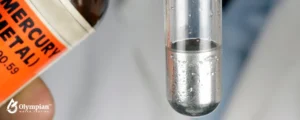
Heavy metals like lead and mercury are particularly concerning. They can lead to severe health issues, including developmental problems in children and neurological effects. Long-term exposure even at low levels can be dangerous.
Chemical contaminants such as pesticides and industrial solvents can also enter water supplies. These can disrupt endocrine systems and increase cancer risk over time. Understanding these threats is critical for protecting your health through proper filtration.
The Importance of Water Quality Analysis
Water quality analysis provides a clear picture of what contaminants are present. This analysis helps in determining the most effective filtration method. Without it, filtering efforts may be misguided and ineffective.
Such analysis typically involves testing for biological, chemical, and physical parameters. Tests can identify bacteria presence, chemical concentrations, and particulate levels. Analyzing these factors ensures targeted and efficient filtration.
Regular water quality assessment is crucial. Changes in water quality can occur due to environmental shifts or infrastructure issues. Consistent testing helps in adapting filtration systems to ongoing water challenges.
Overview of Water Filtration Methods
Water filtration is a complex science involving various processes to remove contaminants. Different methods target different impurities, ensuring the purification of water to meet specific needs. Choosing the right method requires understanding the contaminants involved.
The principal filtration methods fall into three categories: physical, chemical, and biological. Each has unique mechanisms and applications for treating specific types of impurities. A combination of these methods is often used in advanced systems to enhance efficacy.
Modern water filtration technologies are designed to cope with multiple challenges. They aim to ensure both safety and palatability. Users must know these methods to adopt the most effective solution for their water issues.
Here is a list of common water filtration methods:
- Physical filtration (e.g., sediment filtration)
- Chemical filtration (e.g., activated carbon, ion exchange)
- Biological filtration (e.g., biofiltration systems)
Understanding these methods is crucial for effective water filtration in any setting.
Physical Filtration Methods
Physical filtration involves the removal of suspended solids through physical barriers. These barriers include membranes and sieves. The most common type is sediment filtration, which traps large particles like dirt and sand.
One of the simplest forms of physical filtration is mechanical filtration. This process uses fine mesh screens to capture particles and debris. It’s a primary method in household systems.
However, physical filtration is limited in its scope. It cannot remove dissolved substances or microorganisms. This limitation makes it essential to pair with other methods for comprehensive water treatment.
Chemical Filtration Methods
Chemical filtration utilizes chemical reactions to remove impurities from water. Activated carbon is a widely used chemical method. It excels at eliminating chlorine, odors, and volatile organic compounds through adsorption.
Ion exchange is another prevalent chemical method. It removes ions, like those causing water hardness, by replacing them with less harmful ions. This method is effective for softening water and removing heavy metals.
Chemical filtration methods offer targeted removal of specific contaminants. They are ideal for addressing chemical impurities but often require combination with other techniques to ensure total water purification.
Biological Filtration Methods
Biological filtration uses natural processes and materials to treat water. Microorganisms play a key role in breaking down and removing organic contaminants. This method is often used in wastewater and aquatic systems.
Biofiltration involves passing water through a biological medium. Here, bacteria consume contaminants, producing cleaner water. It is particularly effective in reducing organic waste and nitrates.
While biological methods can efficiently manage organic contamination, they are not suitable for all types of pollutants. Often, they’re part of a multi-step process to ensure comprehensive treatment.
Home Water Filters: Types and Technologies
Home water filters are a popular solution for improving water quality. They come in various types, each designed to tackle specific contaminants. Selecting the right filter depends on your water quality issues.
Several technologies are available for home use. These range from basic filtration pitchers to advanced multi-stage systems. Understanding their functions and limitations is key to effective water treatment.
Different filter types cater to different needs. Some are designed for point-of-use applications, while others serve entire households. Key considerations include maintenance, cost, and the specific pollutants you need to remove.
Common home water filter types include:
- Activated carbon filters
- Reverse osmosis systems
- Ultraviolet (UV) disinfection units
- Sediment filters
Choosing a filter requires knowledge of your water source and contaminants, ensuring both safety and economic efficiency.
Activated Carbon Filters
Activated carbon filters are among the most widely used home water filters. They rely on adsorption to remove contaminants such as chlorine and organic substances. This process greatly improves the taste and odor of water.
The porous nature of activated carbon increases its surface area, enhancing its adsorption capacity. It’s particularly effective for removing volatile organic compounds and some pesticides. However, it does not remove dissolved inorganic substances or microorganisms.
Despite their limitations, activated carbon filters are a staple in many households. They offer a simple, low-cost solution for improving general water quality, making them ideal for everyday use.
Reverse Osmosis Systems
Reverse osmosis (RO) systems are highly effective at reducing dissolved inorganic substances. They use a semipermeable membrane to separate contaminants from water, providing a thorough purification process.
RO systems can remove a wide range of impurities, including heavy metals, nitrates, and some bacteria. This makes them suitable for homes with significant water quality challenges. However, they typically require multiple stages of filtration to optimize results.
One drawback of RO systems is water wastage during the filtration process. Nonetheless, their ability to deliver high-purity water makes them a valuable option for households needing stringent filtration.
Ultraviolet (UV) Disinfection
Ultraviolet (UV) disinfection is a powerful method for neutralizing microorganisms in water. It employs UV light to destroy the DNA of bacteria and viruses, rendering them harmless and preventing reproduction.
This method is chemical-free and does not alter water’s taste or odor. It’s particularly effective in areas with microbiological contamination concerns. However, UV disinfection is ineffective against chemical pollutants and particles.
For optimal results, UV systems are often used in conjunction with other filtration methods. This ensures comprehensive treatment by addressing both biological and chemical impurities.
Sediment Filters and Their Limitations
Sediment filters are designed to capture and remove suspended particles from water. They serve as a first line of defense in any filtration system, protecting more delicate components from clogging.
These filters trap visible debris such as sand, rust, and silt. While effective at removing large particulates, they do not eliminate dissolved substances or microorganisms. This makes them insufficient as a standalone solution for safe drinking water.
Given their limitations, sediment filters are typically paired with additional filtration technologies. This approach ensures full spectrum coverage, maintaining both system longevity and water quality standards.
Selecting the Right Water Filtration System for Your Home
Choosing the correct water filtration system requires careful consideration. Your home’s water source and specific quality concerns dictate your options. Identifying the contaminants you need to address is the first crucial step.
You should consider cost, ease of installation, and maintenance needs. It’s important to weigh the long-term savings and benefits against initial expenses. Assessing these factors ensures a smart investment for clean and safe water.
Water filtration systems generally fall into two main categories: point-of-use and point-of-entry systems. Each serves different purposes and suits varied filtration needs. Understanding their distinctions helps in making an informed decision.
When evaluating water filtration systems, consider the following:
- Contaminant removal efficiency
- Cost of system and ongoing maintenance
- Compatibility with existing plumbing
- Potential water wastage
- System installation complexity
By prioritizing these aspects, you can select a system that meets your specific needs and protects your water supply effectively.
Point-of-Use vs. Point-of-Entry Systems
Point-of-use (POU) and point-of-entry (POE) systems serve distinct purposes. POU systems filter water at specific locations like kitchen taps. They’re ideal for drinking and cooking water purification.
POU systems tend to be less expensive and easier to install. However, they don’t address water quality issues throughout the entire home. This could pose challenges if you have multiple water quality concerns.
Conversely, POE systems treat all water entering your home. They ensure every water source delivers treated water. While more comprehensive, they can be costlier and require professional installation.
The Role of NSF/ANSI Standards in Filter Selection
NSF/ANSI standards play a critical role in water filter selection. These standards certify filters based on their contaminant removal capabilities. They provide assurance that a product meets safety and performance benchmarks.
Certified filters undergo rigorous testing to verify their claims. Choosing a filter with these credentials ensures you select a product that works as promised. It also indicates the manufacturer’s commitment to quality.
Check for NSF/ANSI certification while shopping for filters. It guides you in choosing reliable products and mitigating health risks associated with subpar filtration.
Maintenance and Filter Replacement
Regular maintenance is crucial for effective water filtration. A lack of proper care can lead to diminished performance or system failure. Key to upkeep is adhering to manufacturer-recommended schedules for filter replacement.
Filters accumulate contaminants over time, which can hinder their effectiveness. Replacing them when needed maintains the integrity of your water. Ignoring this can compromise safety and filtration efficiency.
Adopt a proactive approach by monitoring your system’s performance and following a set maintenance schedule. This ensures you enjoy consistently clean water and extend the lifespan of your filtration system.
The Future of Water Filtration: Innovations and Trends
The field of water filtration is rapidly evolving. New technologies are addressing both efficiency and sustainability challenges. These advancements are reshaping how we approach water purification.
One significant trend is the integration of smart technologies. These innovations offer increased control and monitoring capabilities. Enhanced features allow users to manage filtration systems with ease.
Energy-efficient designs are another key development. By reducing power consumption, these systems minimize environmental impact. They also offer long-term cost savings for users.
Looking ahead, several exciting trends are emerging:
- Integration of Internet of Things (IoT) devices for system monitoring
- Development of nanotechnology for improved contaminant removal
- Advances in filter materials for higher efficiency
- Water recycling technologies for reduced waste
- Use of machine learning for predictive maintenance
Each of these trends contributes to more efficient, user-friendly solutions. As these technologies continue to mature, access to clean water will become more sustainable.
Smart Water Filtering Systems
Smart water filtering systems leverage digital technologies to provide enhanced control. These systems offer real-time monitoring and alerts, improving user experience. With integrated connectivity, users can manage systems remotely.
These systems utilize sensors to track water quality. They provide instant feedback and notifications. This real-time data helps in maintaining optimal filter performance.
Another advantage is predictive maintenance. Smart systems anticipate when maintenance is needed, preventing potential issues. This extends the lifespan of the system and ensures reliable operation.
Smart technologies are set to revolutionize water filtration. They empower users with information and control, enhancing both safety and efficiency.
Sustainable Filtration and Environmental Considerations
Sustainability is a critical focus in modern water filtration. Innovations aim to reduce environmental impact while ensuring effective contaminant removal. This balance is essential for long-term ecological health.
Eco-friendly filtration systems are gaining popularity. They prioritize energy efficiency and minimal resource usage. Reducing carbon footprint is a key objective in their design.
These systems often incorporate water-saving features. They minimize waste by optimizing water use and reusing filtered water. This not only conserves resources but also reduces operational costs.
When choosing a sustainable filtration option, consider:
- Energy consumption and efficiency levels
- Waste reduction features and water reclamation
- Use of sustainable materials in system components
Balancing environmental concerns with effective filtration is crucial. Sustainable systems are paving the way for greener water treatment solutions. These innovations ensure clean water for future generations without compromising the planet’s health.
Conclusion: Ensuring Safe and Clean Water
Choosing the right water filtration system is vital. It addresses specific water quality concerns and safeguards health. By understanding different filtration methods, you can make informed decisions.
Continual advancements in water filtration technology offer better options. These innovations prioritize both effectiveness and sustainability. By staying informed and proactive, you ensure that your household enjoys safe, clean water. This diligence not only protects your health but also contributes to a more sustainable future. Prioritizing water quality is an essential step toward enhancing overall well-being and environmental responsibility.
Share this on social media:
Facebook
Twitter
LinkedIn

Related Posts