The Impact of New York's Water Quality on Wildlife and Biodiversity
- Published:
- Updated: January 2, 2025
Summary
New York’s diverse ecosystems rely on quality water for survival. Here’s how it impacts wildlife:
- Disease and Mortality: Poor water quality exposes wildlife to pollutants, leading to disease and increased mortality rates.
- Reproductive Issues: Pollutants can interfere with reproduction, reducing fertility and causing developmental issues in offspring.
- Behavioural Changes: Water quality alterations influence aquatic animal behavior, affecting feeding, migration, and predator-prey dynamics.

In New York State, with its thousands of rivers, lakes and coastlines, wildlife species and habitats are abundant. From the Hudson River to the Great Lakes, they are the heartbeat of the state’s arid wilderness and home to an infinite number of species. These waters are eco-historical because of the rich diversity they house and inhabit.
But their fitness and longevity are inextricably correlated with the quality of the water they depend on. Everything from the most tiny plankton to the biggest marine mammal survives on specific water conditions. These conditions are susceptible to alterations, in turn, that will impact the individual species and consequently the more general environments in which they operate.
Understanding Water Quality: Key Factors and Indicators
Quality of water is an umbrella term for a variety of things that are integral to aquatic ecosystems. The temperature, pH and dissolved oxygen are just a few water quality indicators that influence the kinds of organisms that can exist in a body of water.
In addition, some contaminants, including heavy metals, industrial pollutants, agricultural effluent and microplastics, are very bad for water quality. These pollutants can directly attack wildlife, or produce toxic algal blooms that suck oxygen out of the water and obliterate aquatic life. Simply put, water quality determines the integrity and richness of aquatic ecosystems.
Species-Specific Dependencies on Water Quality

There are species that are more or less sensitive to water quality and dependencies. Some species, such as certain fish and amphibians, are sensitive to water quality change by nature and duration. The trout, for example, need cold, well-oxygenated water, and any change in temperature or oxygen is detrimental to their populations.
Moreover, some species are bioindicators – their presence or absence is a telltale sign of water quality. If there are mayflies, caddisflies and stoneflies, for instance, that typically means good water, because these insects are so sensitive to contaminants. Monitoring these species is also a great means of monitoring water quality and, with it, the health of the ecosystem.
Impacts of Pollution on New York's Water Quality
New York’s water is already worsening because of all sorts of pollution. Debris from industries, rife with toxic chemicals and heavy metals, can leach into lakes and drown wildlife. Fertiliser and pesticide run-off from agricultural areas can cause toxic algal blooms and dead zones where oxygen is halved.
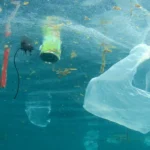
And there’s the emerging issue of plastic pollution. Microplastics, specks of plastic less than 5mm long, are already more and more common in our water supply. These plastics not only physically harm animals but also release toxic chemicals into the water that make it worse.
What is the effect of poor water quality on wildlife health and survival?
Wildlife wellbeing and well-being are directly related to water quality. A number of issues for aquatic life are caused by low-quality water:
Diseases & Death: The pollution can make the wildlife disease and die more frequently.
Reproductive Problems: There are pollutants that may disrupt reproduction and cause less fertile eggs or development problems in young.
Behavioural Changes: Water quality can also impact aquatic animals in terms of feeding, migration and predator-prey dynamics.
These are all causes of mass extinctions of wildlife, tampering with the equilibrium of aquatic environments, and even the death of species.
Water Quality and Its Influence on Biodiversity
Biodiversity is also influenced by water quality. Water quality problems can knock ecosystems out of synch and have implications down the food chain. As water quality erodes, a vulnerable population can disappear, while more hardy, but less desirable species spread, decreasing biodiversity.
It can be cumulative, across an ecosystem – it could disrupt food webs and transform habitats – when biodiversity declines. This in turn impacts ecosystem services such as water filtration and nutrient cycling, thereby making water quality problems worse. Water quality, then, is a prerequisite to the sustainability of biodiversity and ecosystem health.
Case Studies: Successful Wildlife Adaptation and Unfortunate Extinctions
There are some species who are lucky and who can weather water quality shifts. Consider the Atlantic killifish, for example, which has shown a talent for surviving in highly polluted environments. But this is an anomaly and not the rule.
More often, however, bad water is a reason for massive population collapse and even local extinctions. In New York, the Eastern Hellbender – North America’s largest salamander – is a sad case in point. These animals are sensitive to pollution and siltation in river systems, and their numbers have plummeted over the past few decades. It’s times like these that it’s more important than ever to ensure and enhance our water quality.
Actions for Improving Water Quality and Preserving Biodiversity
Because water quality is so directly impacted by wildlife and biodiversity, New York needs to take steps to protect and improve New York’s water supplies. Here are some possible steps:
Measures To Govern: Tighter regulations on industries and agriculture to limit runoff pollution into waterways.
Pollution Control: Advanced waste treatment measures to prevent pollutants entering the waters.
Restoration Activities: Habitat restoration activities like riparian planting and wetland restoration to naturally remove pollutants and restore water quality.
Community Engagement: Engaging community to clean up, conserve, and teach the public about water quality.
Looking for water analysis near me? Call Olympian Water Testing in New York and New Jersey areas at (718) 766-7043.
Share this on social media:
Facebook
Twitter
LinkedIn

Related Posts