
Overview of Stormwater Management Practices
Stormwater management is vital in urban planning, preventing floods by managing rainwater. Techniques like infiltration systems, permeable pavements, and retention areas help control runoff. This approach aids in flood control.
Effective management requires teamwork. The U.S. Environmental Protection Agency (EPA), local authorities, environmental groups, and property owners collaborate. Their goal is to capture rainwater near its source. This reduces the risk of flooding and prevents pollutants from entering waterways.
Role of Stormwater in Urban Settings
Urban growth has reduced natural surfaces, leading to increased runoff. Pavements and concrete accelerate water flow, turning light rains into heavy floods.
Importance of Sustainable Drainage Solutions
Methods like bioswales and rain gardens slow water flow, promoting groundwater recharge. These solutions are cost-effective and protect ecosystems. They enhance neighborhood resilience against severe weather and maintain water quality.
Understanding Retention Ponds
Retention ponds are designed to hold a permanent pool of water. They promote cleaner runoff and stable ecosystems. These ponds also enhance landscapes, making them appealing. They serve as year-round features, blending natural habitats with ornamental designs.
This water management method is often preferred by communities. They seek effective urban water solutions with long-term ecological benefits.
Core Function and Water Storage Method
Engineers create these ponds to collect stormwater and store it at a controlled level. The water is released at a steady rate. This helps trap pollutants and sediments before they reach local waterways.
Retention ponds remain filled, supporting aquatic life. Natural filtration processes reduce contaminants, making the water cleaner.
Common Applications in Residential and Commercial Areas
Neighborhood developments, university campuses, and business districts use retention ponds. They strengthen local drainage systems. This approach enhances real estate values by introducing scenic bodies of water.
It also promotes wildlife habitats. Many experts see these ponds as key urban water solutions. They bolster flood prevention and foster environmental stewardship.
Exploring Detention Basins
Detention basins are designed to stay dry most of the time, only holding stormwater for brief periods. This strategy helps manage surge flows and reduces the risk of urban flooding. The United States Environmental Protection Agency provides guidelines for their sizing and placement. These guidelines are critical for ensuring public safety by selecting optimal locations.
Primary Purpose and Temporary Water Storage
During storms, these basins collect runoff and store it temporarily. Once the rain stops, the water is released through control structures, leaving the ground dry. Regular maintenance includes clearing debris and ensuring vegetation aids in filtration.
How Detention Systems Prevent Flooding
Detention basins capture sudden water surges, easing the burden on local drainage systems. This controlled release of water protects communities from excessive flow. It also reduces erosion and property damage downstream, making detention basins a preferred solution for urban development.
| Key Aspect | Details |
| Design | Engineered to remain dry outside of rain events |
| Storage Period | Short-term, spanning hours or days |
| Maintenance | Periodic clearing of outlets |
| Benefit | Reduced flood risk in storm-prone regions |
Retention Pond vs Detention Basin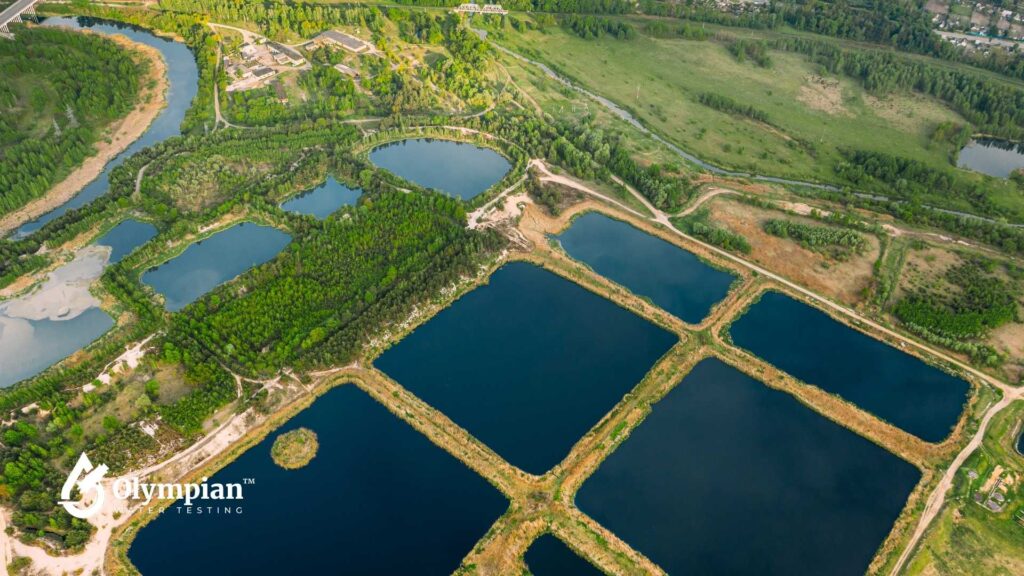
Water management solutions vary with local terrain and development goals. Retention ponds store water long-term, while dry basins release water at a controlled rate after rainfall. Both address surges in runoff but differ in appearance and ecological function.
Examining Key Structural Differences
Retention ponds maintain a permanent pool, creating habitats for plants and wildlife. A well-designed detention pond stays empty between storms, handling water only when precipitation occurs. Both feature engineered outlets to manage flow, though retention setups often include vegetation to enhance water quality.
Major Factors Influencing Choice
Developers consider space, maintenance expenses, and environmental goals before deciding. Urban areas may prefer a smaller detention pond to conserve land. Local regulations, soil composition, and neighborhood aesthetics also influence the choice, aiming for effective flood mitigation and corridor preservation.
| Feature | Retention Pond | Detention Basin |
| Water Presence | Permanent pool | Dry until rainfall |
| Primary Benefit | Water quality improvement | Temporary flood control |
| Landscaping | Supports aquatic plants | Often grassy or paved |
Design Criteria and Environmental Impact
Design criteria are vital in managing stormwater. They ensure ecosystems are preserved, groundwater is recharged, and contaminants are kept away from sensitive habitats. This approach protects waterways from sediments, debris, and pollutants, safeguarding water quality for local communities.
Evaluating Soil and Terrain Requirements
Engineers assess soil permeability to understand infiltration rates. Retention ponds benefit from slower absorption, aiding natural filtering and groundwater replenishment. Detention basins are designed with calibrated outflow rates to prevent flooding downstream. Properly planned slopes enhance stability and reduce erosion.
Integration of Green Infrastructure
Designs often include swales, wetlands, and strategic plantings to intercept debris before it reaches streams. These elements remove harmful substances, improving water quality. Native grasses around the perimeter provide additional filtration and create habitats for wildlife.
Site Selection Factors
Land features and soil composition are critical for the long-term success of stormwater structures. Engineers assess slopes, watershed size, and access routes to forecast upkeep needs. Areas with steep terrain may need additional reinforcement to prevent overflow. The proximity to water channels can also affect environmental protection goals and construction costs.
Drainage patterns are key in determining the best location. A spot that aligns with natural runoff flow requires fewer modifications, saving on pond maintenance costs. Soil permeability is also important, as high clay or sand content can alter water storage. It’s essential to ensure the site can accommodate future needs and comply with local zoning regulations. For more insights, check out detention-retention-basins in stormwater management, where experts share strategies for sustainable designs.
- Certified surveys to identify suitable terrain
- Detailed geotechnical reports to measure infiltration
- Compliance with local codes to avoid legal hurdles
| Key Factor | Potential Impact |
| Soil Stability | Long-term pond maintenance challenges |
| Available Land | Overall design size and cost |
| Watershed Size | Storage requirements to prevent flooding |
Water Quality Considerations
Retention and detention features stabilize runoff by allowing suspended matter to settle. This reduces harmful substances like oils and metals, improving safety for local habitats. Structures with permanent pools, known as wet ponds, slow stormwater flow. This allows natural processes and plants to capture lingering contaminants.
NPDES requirements ensure these systems effectively remove pollutants. These regulations enforce environmental compliance by outlining inspection and maintenance tasks. They protect waterways from excess nutrients and sediment buildup.
Filtering Pollutants and Sediments
Wet ponds include forebays to trap bulky debris and vegetated slopes for filtration. They use slow release points to allow pathogens and pollutants to degrade. Maintenance crews clear sediment to maintain each basin’s treatment capacity.
- Check outlets and inlets for blockages
- Manage aquatic vegetation for proper balance
- Conduct regular water tests to track conductivity and pH
These steps support environmental compliance and protect communities from contamination risks. They make stormwater solutions more resilient, leading to cleaner resources and healthier ecosystems.
Maintenance and Upkeep
Regular maintenance is key to keeping water detention and retention systems running smoothly. Tasks include trimming vegetation, clearing inlets and outlets, and managing algae or weeds in retention ponds. This ensures properties remain free from blockages, flooding, and hefty fines. Vigilance and prompt action are essential for effective stormwater management.
Regular inspections are vital to check the system’s integrity and functionality. Smaller sites might require monthly checks, while busier areas need more frequent visits. Annual reviews by a Professional Engineer or Registered Landscape Architect are also important. These evaluations confirm compliance and ensure the system’s long-term performance. This approach prevents damage and extends the system’s lifespan.
Inspection Strategies Throughout the Year
Effective scheduling is critical for quick responses to any issues. Experts look for clogged drains, erosion, and debris at inlet points. They also monitor slopes for vegetation and water quality problems. Keeping detailed records helps predict repairs, making it easier to address small issues before they become major problems.
Common Repairs and Cost Implications
Ignoring maintenance can lead to unexpected expenses. For smaller lots, yearly maintenance might cost under $1,500. Larger retail sites, with more traffic and stormwater devices, can exceed $8,000. Dredging is essential to maintain depth and remove sediment, protecting the system’s flood storage capacity. Proactive maintenance protects budgets and ensures compliance.
| Recommended Task | Frequency |
| Vegetation Control | Monthly or As Needed |
| Inlet & Outlet Clearing | Quarterly |
| Professional Inspection | Annual |
| Dredging | Long-Term or As Sediment Accumulates |
Local Regulations and Permits
In the United States, municipalities enforce strict rules for stormwater structures. These regulations cover construction details and inspection schedules, ensuring safety. Officials review site plans and design elements to manage water flow effectively. This is critical for maintaining flood control and safeguarding nearby properties from sudden water surges.
Regulations include maximum discharge limits and acceptable pond capacities. Non-compliance can result in penalties, impacting business operations or community projects. Adhering to local laws promotes effective flood control and responsible water resource management.
Regular inspections are common to check performance. Developers and homeowners should consult the U.S. Environmental Protection Agency and local planning offices. Clear documentation and open communication are key to following essential guidelines, preserving environmental quality.
Cost Analysis and Budgeting
Projects with retention or detention ponds require a realistic look at land preparation and long-term upkeep. Owners often opt for these features to enhance flood protection and sustainability. Consulting with urban water solution experts can uncover cost-effective strategies and prevent unexpected expenses.
Planning for Long-Term Expenses
Expenses include excavation, outlet structures, and landscape restoration. A detailed budget should cover inspections, debris removal, and vegetation control. These measures ensure the pond’s condition and prevent costly penalties or fines.
- Site Preparation: Clearing and grading
- Site Formation: Excavating to meet depth requirements
- Structural Components: Building sturdy inlet and outlet structures
- Site Restoration: Adding vegetation for soil stability
- Annual Upkeep: Regular checks for erosion or invasive growth
Well-maintained ponds can significantly increase property values, as shown by the National Association of Home Builders. Water features may raise property prices by up to 28%. Property owners can also lower insurance costs with effective flood controls. A balanced budget and urban water solutions ensure long-term financial security.
Landscaping and Aesthetic Considerations
Choosing the right design can transform a simple water feature into a stunning centerpiece. Selecting the right plants and sculpting edges are key. They make each area unique while blending with the native environment. This approach enhances both the beauty and functionality of the space.
Blending Water Features with Surroundings
Combining trees, grasses, and decorative elements creates a visually appealing landscape around a retention basin. Fountains or walkways can lead visitors to serene waterfront areas. Soil-friendly plants not only beautify but also help control erosion and purify the water.
Enhancing Property Value and Community Appeal
Well-designed landscaping encourages people to spend more time outdoors. Adding bridges or seating areas can showcase breathtaking views and foster social connections. A retention basin, adorned with local plants, becomes an eco-friendly gem. It increases neighborhood appeal, boosting property values and creating a welcoming space for everyone.
Community Benefits
Well-planned stormwater projects are key to a thriving neighborhood. Parks with water elements serve as gathering spaces, boosting local spirit. They also play a vital role in drainage, protecting streets from flooding and preserving green spaces for recreation.
Clean waterways symbolize a community’s commitment to ecological balance. Seeing healthy water features encourages residents to take care of their environment. This fosters collaboration among homeowners, municipal planners, and investors, all valuing outdoor assets that strengthen local identity.
Economic Advantages for Neighborhoods
Communities that focus on effective drainage attract companies looking for stable investments. The inclusion of a detention pond enhances flood prevention and reduces road damage. This approach cuts down on reconstruction costs and increases property values, driving commercial growth.
| Key Community Gain | Description | Impact |
| Lower Maintenance Costs | Reduced erosion and fewer expensive repairs | Relieves budget pressure on municipalities |
| Enhanced Commerce | Attracts businesses looking for stable infrastructure | Encourages job growth and tax revenue |
| Recreational Appeal | Invites outdoor activities around water features | Fosters tourism and neighborhood pride |
Common Mistakes to Avoid
Ignoring routine inspections or not clearing debris from inlets can severely block water flow. This hampers the pond’s ability to manage storm events effectively. Sediment buildup reduces storage capacity, while dense vegetation often causes blockages that threaten water quality.
This neglect can lead to flooding, damage embankments, or degrade overall pond performance. Choosing the wrong soil or poor compaction can accelerate structural failure. Skipping local permits can cause delays and increase costs.
- Missing out on weed control and dredging
- Ignoring outflow structure functionality
- Allowing erosion to weaken pond banks
Proactive efforts to maintain equipment, monitor signage, and clear overgrowth are essential. They preserve pond stability and safeguard water quality.
Choosing the Right Option
When deciding between a retention pond and a detention basin, it’s essential to consider several factors. These include available space, the desired water quality, and budget constraints. Both options aim to manage stormwater and prevent runoff, but they serve different purposes. Retention ponds maintain a constant water level, whereas detention basins drain faster, leaving a dry or nearly dry area afterward.
Regular pond maintenance is vital for both types. It involves removing debris, checking for erosion, and controlling vegetation. The Environmental Protection Agency (EPA) often requires regular inspections to ensure these systems operate safely and efficiently. This consistent monitoring helps prevent blockages and ensures proper water flow.
Balancing Practical Needs with Regulatory Compliance
Project goals focus on flood control, ecological benefits, and cost-efficiency. Those with limited land might prefer detention basins, which require less permanent water space. On the other hand, retention ponds offer a picturesque feature and can enhance biodiversity. Regulatory bodies set strict guidelines to ensure water safety for local communities.
By aligning with these regulations, owners avoid fines, costly rework, or future compliance issues. Regular pond maintenance is key to achieving these objectives and maintaining high standards of performance and sustainability.
Final Thoughts for Informed Decisions
Retention ponds and detention basins are key in managing stormwater across various sites. They help reduce flood risks and enhance neighborhood safety. Their distinct structures enable decision-makers to align the right design with specific goals and site requirements.
Proper placement and maintenance of these ponds and basins foster healthier waterways and protect habitats. They also aid in meeting environmental compliance by controlling runoff and capturing pollutants. This prevents them from reaching nearby rivers or lakes.
A thorough process, including site analysis and cost forecasting, is essential for a lasting solution. Collaboration among government agencies, engineers, and property owners is vital. By evaluating options, they can ensure their projects are resilient and environmentally responsible.
FAQ
How do retention ponds contribute to ecosystem balance?
Retention ponds create a permanent water source that supports aquatic life. They also promote microbial activity to break down pollutants. This supports habitats for birds and other wildlife. The consistent water presence ensures ecosystem balance and boosts biodiversity in urban areas.
Why are infiltration and infiltration rates critical for stormwater management?
Infiltration rates determine how quickly water seeps into the ground. High rates reduce stormwater volume and speed. This eases pressure on drainage systems and limits flood risks.
Can detention basins help with peak flow reduction during heavy rainfall?
Yes, detention basins hold stormwater temporarily and release it slowly. This minimizes peak flow. It reduces the burden on drainage systems and prevents property damage and erosion downstream.
What role do green roofs and permeable pavements play alongside ponds?
Green roofs and permeable pavements enhance retention and detention systems. They allow stormwater to soak into the ground. This reduces runoff volume, improves water filtration, and may reduce the need for extensive piping or channeling.
How do National Pollutant Discharge Elimination System (NPDES) rules affect stormwater ponds?
NPDES rules require monitoring water quality in ponds. Owners and municipalities must manage pollutants like heavy metals and nutrients. Regular maintenance, water testing, and adherence to discharge limits are necessary.
Are vegetative swales compatible with retention and detention systems?
Absolutely. Vegetative swales channel runoff toward ponds or basins, filtering pollutants naturally. They slow water flow, allowing infiltration and sediment capture before reaching the pond or basin.
Do retention ponds offer any additional benefits beyond flood control?
Beyond flood control, retention ponds enhance local scenery and provide recreational areas. They boost groundwater recharge and support aquatic life. They often become community features, blending functionality with landscaping and ecological gains.
What long-term maintenance tasks are typical for these water structures?
Common maintenance includes clearing debris, mowing embankments, and dredging sediments. In retention ponds, aeration may be needed to maintain water quality and aesthetic appeal. Regular checks for erosion are also essential.