How to Test and Treat Heavy Metals in Drinking Water: A Practical Guide
- Published:
- Updated: January 2, 2025
Summary
Clean water is crucial, yet heavy metals pose health risks. Testing and treating water regularly is essential.
- Heavy metals can enter water through industrial waste, old plumbing, and agricultural runoff.
- Types include lead, mercury, arsenic, and cadmium, each with unique health risks.
- Testing methods range from at-home kits to laboratory analysis; treatment options include reverse osmosis and activated carbon filters.

We all value fresh water – but even that comes with hidden risk: heavy metals. These metallics are found in nature, but when consumed in excess, they are very toxic to us. Lead, mercury, arsenic and cadmium are heavy metals that cause everything from cognitive impairment and neurological impairment to kidney disease and cancer.
Particularly vulnerable are children and pregnant women. Heavy metals can cause developmental problems in the children, and for pregnant women it can carry into their offspring, leading to life-threatening issues. A result of these risks, make sure you test and treat your water for heavy metals at a regular interval.
Common Sources of Heavy Metals in Water Supplies
We get our water supplies polluted with heavy metals from multiple sources. For other elements, the heavy metals might just be present through nature itself – the erosion of rock beds that have contained them, for example. But humans are a big source of heavy metals in water.
Waste From Factory and Factory Mills: These are often the industrial waste which releases heavy metals in the atmosphere.
Plumbing: Leaky lead or brass pipes might transfer heavy metals to the water.
Agriculture: Most pesticides and fertilizers are heavy metals that can pollute groundwater.
Knowing these sources can let you know what your region is at risk.
Types of Heavy Metals Found in Drinking Water

Several types of heavy metals can contaminate drinking water, each carrying unique risks:
- Lead: Often comes from plumbing and can cause neurological and developmental issues, particularly in children.
- Mercury: Can affect the nervous system and harm brain development.
- Arsenic: Frequently found in well water, arsenic can cause skin problems and increase the risk of cancer.
- Cadmium: Usually introduced through industrial waste, cadmium can harm the kidneys and bones.
Health organizations like the World Health Organization and the Environmental Protection Agency provide guidelines on acceptable levels for these metals in drinking water.
Testing for Heavy Metals in Drinking Water
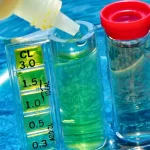
To keep your water safe, regular testing for heavy metals is crucial. A variety of New York water testing methods are available, ranging from simple at-home test kits to comprehensive laboratory tests. At-home kits offer a quick and easy way to check for common heavy metals and can be a good starting point if you suspect a problem.
For a more detailed analysis, you can collect a water sample and send it to a certified water testing laboratory. These water testing labs can provide a detailed report on the levels of various heavy metals, as well as other potential contaminants. When collecting samples, it’s important to follow the instructions provided to ensure an accurate test.
Understanding Your Test Results
After testing your water, you’ll receive a report detailing the levels of various substances in your sample. But what do these numbers mean? In general, your water should fall within the acceptable limits set by health organizations. For example, the EPA has set the maximum contaminant level goal for lead in drinking water at zero, recognizing that any level of lead can be harmful.
If your report shows levels of heavy metals above these guidelines, it’s important to take action to treat your water. Even if levels are within the acceptable range, if you’re concerned about the presence of heavy metals, you may want to consider a water treatment system.
Methods for Removing Heavy Metals from Drinking Water
If your test results show that heavy metals are present in your drinking water, don’t despair. Several water purification methods can effectively remove these contaminants:
- Reverse Osmosis (RO): RO systems can remove a wide range of contaminants, including heavy metals, making them an excellent choice for comprehensive water treatment.
- Activated Carbon Filters: These filters can remove certain heavy metals, especially when used in conjunction with other methods.
- Distillers: Distillers work by evaporating water and then condensing it back into a liquid, leaving behind many contaminants.
- Ion Exchange Units: These systems use a resin that binds to heavy metals, removing them from the water.
Remember, each method has its pros and cons, and the effectiveness can vary depending on the specific metals present in your water.
How can you determine the most suitable treatment method for your water?
When choosing a water treatment system, consider the types of heavy metals found in your water, your budget, and your household’s needs. If your water contains a mix of contaminants, a comprehensive system like reverse osmosis might be the best option.
But, if you’re dealing with a specific metal, a targeted treatment might be more cost-effective. For instance, activated carbon filters are particularly effective at removing lead. Consider the ongoing costs as well, such as replacement filters or energy use. Always research and compare different models and systems before making a decision.
Maintaining Your Water Treatment System
You’ll receive a report after they’ve tested your water and tell you how many of each element were present in your sample. And what about these numbers? Your water, generally speaking, should be well within the normal range established by public health authorities. For instance, the EPA has zero as the maximum contaminant level goal for lead in drinking water because, yes, lead is toxic at any concentration.
Whether you have decided to purchase or set up a water treatment system, regular maintenance is the only way to make sure it’s operating correctly. That usually means changing the filters every couple of months or so as the manufacturer directs.
And don’t forget to test your water from time to time. Even if you do have a treatment system, if your water supply changes or your system fails, new contaminants can form. You will notice problems sooner if you do testing regularly and resolve them.
Metals in drinking water can be harmful, but you can save your family with regular tests and the correct treatment system. Knowing about the sources and types of heavy metals, how to interpret test results, and how to select and maintain a treatment system allows you to be in charge of your water quality. You can have safe, clean, free of heavy metals water with this handy guide.
Additional Insights
Building off the practical guide here are 2 sections to make your post great:
Understanding the Risks: Learn more about the individual health risks for each heavy metal.
Community Participation: Think about involving your community in water testing and treatment projects for bigger effects.
Conclusion: Safeguarding Drinking Water
Test and treatment on a regular basis are the most important steps for water safety, especially in the case of heavy metal contamination. Taking responsibility for themselves and others from the disease burden of heavy metals can be managed with information on sources, testing, and treatments.
Share this on social media:
Facebook
Twitter
LinkedIn

Related Posts