
Tap Water Quality in Indonesia
In Indonesia, tap water quality varies significantly depending on the region and the source of the water. The country’s tap water mainly comes from surface water sources like rivers, lakes, and reservoirs, as well as groundwater extracted from wells. PDAM, the state-owned entity, is responsible for sourcing, treating, and distributing water to households and businesses.
Water treatment processes’ efficacy can vary, and not all areas are connected to the PDAM grid. Heavy rains can affect water quality due to increased runoff and turbidity, introducing contaminants. As a result, many Indonesians rely on bottled water, with Jakarta alone relying on bottled water at a rate of 89 percent.
Surface Water Sources
Surface water sources, such as rivers and lakes, are a primary source of tap water in Indonesia. These sources are often susceptible to contamination from agricultural runoff, industrial waste, and untreated sewage. In Jakarta, only 15 percent of households had access to adequate drinking water as of 2020. Currently, only 67 percent of households can receive piped water.
Groundwater Sources
Groundwater extracted from wells is another important source of tap water in Indonesia. Groundwater is generally less prone to contamination than surface water. Yet, it can be affected by pollutants that seep into the ground, such as chemicals from agricultural practices or leaking septic systems. In 2023, 18 districts in Jakarta faced water shortages during the dry season, highlighting the challenges of relying on groundwater sources.
Water Treatment Processes
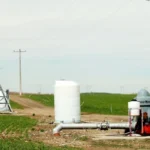
PDAM is responsible for treating the water before distributing it to consumers. The water treatment processes typically involve filtration, sedimentation, and disinfection to remove contaminants and ensure the water is safe for consumption. The effectiveness of these processes can vary depending on the facility and the quality of the raw water.
In some areas, such as the new capital city of Indonesia, Nusantara (IKN), the tap water has been confirmed safe for direct consumption. This marks a significant development in a country where drinking tap water is generally not recommended. The Sepaku Water Supply System (SPAM) in IKN has a Water Treatment Plant capacity of 300 liters per second and utilizes advanced technology like the SCADA system to monitor and control the water quality.
Despite these improvements, water quality monitoring remains a critical aspect of ensuring the safety of Indonesia’s tap water. The Indonesian government projects that a clean water crisis could occur by 2040. Water scarcity could potentially reduce GDP by up to 6 percent in some regions. Implementing efficient agricultural practices and investing in water treatment infrastructure will be key in addressing these challenges and ensuring access to safe drinking water for all Indonesians.
Risks of Drinking Tap Water in Indonesia
Traveling to Indonesia requires understanding the health risks tied to tap water consumption. The country’s stunning landscapes and vibrant culture are overshadowed by tap water quality issues. These challenges affect both locals and visitors.
The main concerns include bacterial, parasitic, and chemical contaminants, along with water infrastructure problems. These can cause waterborne illnesses, like “Bali belly,” a common term for traveler’s diarrhea.
Bacterial and Parasitic Contamination
Drinking tap water in Indonesia poses a significant risk due to harmful bacteria and parasites. E. coli, Giardia, and Cryptosporidium can cause severe gastrointestinal issues. These pathogens thrive in areas with poor sanitation and inadequate water treatment.
In Bali, a popular tourist spot, the risk of falling ill from tap water is higher than in developed countries. Waterborne diseases like cholera, typhoid, and Hepatitis A are common, exacerbated by heavy rain or flooding.
Chemical Contaminants
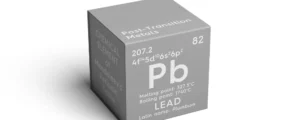
Tap water in Indonesia may also contain harmful chemicals. Heavy metals like lead and mercury can leach into the water from aging pipes. Prolonged exposure can cause serious health issues, including neurological disorders and developmental problems in children.
While heavy metal poisoning from contaminated tap water typically requires months or years of consumption, it remains a concern for long-term residents and expatriates.
Infrastructure Challenges
Indonesia’s water infrastructure faces significant challenges. Rural areas often lack reliable water treatment facilities and distribution networks. Aging pipes and inadequate maintenance lead to leaks and water losses, allowing contaminants to enter the supply.
In urban centers like Bali, water treatment processes are more advanced, but their efficacy can vary. Heavy rains can impact water quality, despite local authorities’ efforts to filter it.
Locals in Indonesia generally do not drink tap water, indicating widespread awareness of its risks. While some travelers report no issues, it is advised to use bottled or boiled water to minimize health risks.
Regional Variations in Water Quality
Indonesia’s vast geography and diverse population lead to significant variations in water quality between urban and rural areas. Cities like Jakarta face challenges due to inadequate infrastructure and growing demand. In contrast, rural communities rely on groundwater, which is vulnerable to contamination. These differences highlight the need for targeted solutions to ensure safe drinking water for all Indonesians.
In Jakarta, the capital city with over 11 million residents, only 15 percent of households had access to adequate drinking water as of 2020. Currently, just 67 percent of households receive piped water, leaving the remainder reliant on potentially contaminated sources. The Indonesian meteorological department has projected a clean water crisis by 2040. Climate change could reduce GDP by up to 6 percent in some regions due to water scarcity.
Urban Areas vs. Rural Areas
The challenges faced by urban areas like Jakarta are distinct from those in rural communities. In 2023, 18 districts in Jakarta faced water shortages during the dry season. An estimated 89 percent of the city’s population relies on bottled water for safe drinking. By 2050, urban areas are expected to encompass 68 percent of the global population, further increasing the demand for clean water in cities.
In contrast, rural areas in Indonesia often depend on groundwater from wells. Water quality varies based on the region and contamination sources. Insufficient sanitation and contaminated water sources significantly contribute to the spread of waterborne diseases in these communities. Addressing the unique needs of both urban and rural areas is critical for improving water quality and public health throughout Indonesia.
Popular Tourist Destinations
Popular tourist destinations like Bali face additional challenges in ensuring safe drinking water for visitors. With a thriving tourism industry, these areas must balance the increased demand for clean water with the need to maintain infrastructure and prevent contamination. Implementing sustainable solutions, such as rainwater harvesting systems and greywater recycling, can help alleviate pressure on local water resources.
Region | Urban Water Quality Challenges | Rural Water Quality Challenges |
Jakarta | Inadequate infrastructure, water shortages during dry seasons | Reliance on potentially contaminated groundwater sources |
Bali | Balancing tourism demand with maintaining clean water supply | Ensuring safe drinking water for rural communities and visitors |
Addressing regional variations in water quality requires a multifaceted approach. It must consider the unique challenges faced by urban areas, rural communities, and tourist destinations. By implementing targeted solutions and promoting sustainable water management practices, Indonesia can work towards providing safe and reliable drinking water for all its residents and visitors.
Drinking Water in Bali
Bali, a renowned tourist spot in Indonesia, boasts stunning beaches, a vibrant culture, and delectable cuisine. Yet, visitors must exercise caution regarding the bali tap water quality. The island’s allure is marred by the risk of contamination from bacteria, viruses, and harmful substances in bali drinking water.
The Centers for Disease Control and Prevention (CDC) cautions travelers to Bali to only consume bottled water. Water that has been boiled or treated with chlorine or iodine tablets is also safe. Drinking contaminated tap water can lead to waterborne illnesses, including gastrointestinal issues like diarrhea, vomiting, and stomach cramps. Common illnesses include E. coli, Salmonella, Giardia, Cryptosporidium, and Hepatitis A.
Poor sanitation systems, prevalent in rural areas and tourist hotspots, contaminate bali water quality with fecal matter and pollutants. Agricultural runoff, including pesticides and fertilizers, worsens the situation. The overexploitation of groundwater has introduced saltwater and pollutants into aquifers, further deteriorating water quality in Bali.
To mitigate health risks, travelers should rely on bottled water for drinking and brushing teeth. A 1.5-liter bottle of water in Bali costs between IDR 4,000 and IDR 15,000 (approximately $0.40 to $1.50 AUD). Boiling bali tap water for at least one minute can kill pathogens, making it safer. Yet, it’s essential to avoid ice made from tap water, as it may harbor harmful contaminants.
Higher-end hotels and restaurants often provide safe ice. It’s wise to verify the ice’s purification status. By law, ice should be rounded with a hole in the middle, indicating it’s purified. Despite these precautions, “Bali Belly,” or traveler’s diarrhea, remains a common affliction among visitors, with many experiencing sickness during their stay.
Alternatives to Tap Water
Traveling to Indonesia requires careful consideration of the water you drink to avoid health risks. Tap water is not safe for consumption, but there are reliable alternatives to stay hydrated and healthy. These options ensure you can enjoy your visit without worrying about water-related health concerns.
Bottled Water
Bottled water is a convenient and widely available choice in Indonesia. You can find sealed, branded water bottles in stores, restaurants, and hotels. The Centers for Disease Control and Prevention (CDC) advises travelers to Bali to drink only bottled water. This is because the majority of locals in Bali also prefer bottled water to avoid tap water risks.
Filtered Water
Some places in Indonesia offer filtered water as an alternative. Yet, it’s critical to be cautious due to varying filter quality and maintenance. If unsure about the filtered water’s reliability, it’s safer to opt for bottled water or other safe drinking options. In Jakarta, only 15% of households had access to safe drinking water as of 2020, underscoring the need for safe alternatives.
Boiled Water
Boiling water effectively kills most bacteria and parasites, making it a safer choice. Yet, boiling may not eliminate all chemical contaminants. To ensure safety, boil water for at least one minute until it reaches a rolling boil. Using boiled or purified water is safe for beverages like coffee or tea in Bali.
Here’s a comparison of the three main alternatives to tap water in Indonesia:
Alternative | Convenience | Reliability | Effectiveness |
Bottled Water | High | High | High |
Filtered Water | Moderate | Varies | Moderate |
Boiled Water | Low | High | High (for bacteria and parasites) |
Water filtration methods like portable water filters and UV water purifiers can also treat water effectively. By choosing safe drinking options, you can minimize illness risks and enjoy Indonesia without water-related health concerns.
Water Safety in Hotels and Resorts 
When you’re in Indonesia, the water quality at hotels and resorts is a key concern. The treatment methods and safety measures can differ greatly. This depends on the type of accommodation you choose.
High-end hotels and resorts often have advanced water treatment systems. They focus on hotel water safety and resort water quality to protect their guests. Luxury properties use cutting-edge accommodation water treatment like reverse osmosis or UV sterilization. This ensures safe drinking water for their guests.
Higher-end Accommodations
Even at upscale hotels or resorts, it’s wise to ask about their water treatment. Some important questions include:
- Is the tap water safe to drink, or should you stick to bottled water?
- Does the hotel provide complimentary bottled water in the rooms?
- Are there any specific instructions or recommendations regarding water consumption?
By asking these questions, you can ensure your health and well-being during your stay.
Budget-friendly Options
For budget-friendly stays, water safety is even more critical. These places might not have the same hotel water safety measures. The water quality can be less certain.
To stay safe, consider these tips:
- Stick to bottled water for drinking and brushing your teeth.
- Avoid consuming ice cubes unless you’re confident they were made from purified water.
- Be cautious when consuming fresh fruits and vegetables, as they may have been washed in untreated water.
By following these precautions, you can minimize the risk of water-borne illnesses. This ensures a more enjoyable stay, even in budget-friendly accommodations.
Accommodation Type | Water Safety Measures | Guest Precautions |
Higher-end Hotels and Resorts | Advanced water treatment systems, such as reverse osmosis or UV sterilization | Inquire about water safety and follow any specific recommendations provided by the hotel |
Budget-friendly Options | May have limited or uncertain water treatment processes | Stick to bottled water, avoid ice cubes, and be cautious with fresh produce washed in water |
Remember, prioritizing hotel water safety, resort water quality, and accommodation water treatment is vital. It ensures a healthy and enjoyable stay in Indonesia, regardless of your budget or preferred accommodation.
Brushing Teeth and Oral Hygiene
In Indonesia, brushing teeth with tap water is a common practice among locals. Yet, for travelers, it’s safer to use bottled or filtered water, given the risk of waterborne illnesses. This precaution is vital, as contaminated water can cause health problems. It’s advisable to avoid swallowing tap water and to rinse your toothbrush thoroughly with safe water.
Good oral hygiene is key to overall health, and water safety is a critical factor. Research indicates that regular brushing and flossing can prevent dental issues. A study in Indonesia found that only 45.5% of mothers practiced good oral hygiene for their children. This highlights the need for more awareness and education on oral health.
Age Group | DMFT Index Score | Missing Tooth Score |
55-64 years | 12.6 | 5.9 |
65 years and above | 16.8 | 10.1 |
The table shows the DMFT scores for different age groups in Indonesia. With the elderly population set to rise, focusing on oral health is more important than ever. Promoting safe brushing practices, including water safety, is essential.
Salivary pH is also a factor in oral health. A study on 22 elderly participants in Indonesia found their salivary pH was neutral before eating. It dropped to acidic levels after eating, then returned to neutral within 20-30 minutes. Brushing teeth after meals helps maintain a healthy pH and prevents dental problems.
Staying Hydrated in Indonesia
Traveling in Indonesia’s tropical climate requires staying hydrated to avoid dehydration. It’s vital to drink safely to prevent waterborne illnesses. By adhering to a few guidelines, you can stay hydrated and reduce health risks.
Importance of Hydration
The hot and humid weather in Indonesia causes excessive sweating, leading to dehydration. Symptoms like fatigue, headaches, and dizziness can ruin your travel experience. Drinking plenty of safe, clean water is key. The CDC advises drinking only bottled, boiled, or filtered water to avoid gastrointestinal issues.
Safe Drinking Practices
To stay hydrated in Indonesia, it’s critical to follow safe drinking practices. While tap water in some areas may be treated, it’s safer to avoid it. Here are some water consumption tips:
- Drink only sealed, branded bottled water from reputable sources.
- Boil tap water for at least one minute before consuming, if bottled water is unavailable.
- Use a portable water filter or purifier that removes viruses, bacteria, parasites, and heavy metals.
- Avoid ice cubes unless you’re confident they were made with purified water.
- Brush your teeth using bottled or boiled water to prevent ingesting harmful bacteria or parasites.
Staying hydrated isn’t just about water. Safe beverages like coconut water, bottled juices, and drinks made with boiled or purified water are also good options. Carry a reusable water bottle and refill it from trusted sources to stay hydrated while exploring Indonesia’s landscapes and culture.
Bali Belly and Water-borne Illnesses
Traveling to Indonesia, and Bali in particular, comes with a risk of water-borne illnesses, known as “Bali Belly” or traveler’s diarrhea. A significant percentage of travelers, between 30% to 70%, experience diarrhea in Asia, with Indonesia being a high-risk area. These illnesses can arise from contaminated water or food, greatly affecting your travel experience.
Symptoms and Causes
Symptoms of Bali Belly include stomach cramps, diarrhea, nausea, and vomiting. These symptoms often appear between 7 and 10 days post-infection. Common water-borne illnesses include cholera, dysentery, salmonella, giardia, typhoid fever, and various viruses like hepatitis A, polio, and rotavirus. It’s vital to note that individuals can spread these diseases without showing symptoms, making prevention essential.
Prevention Measures
To prevent water-borne diseases and reduce Bali Belly risk, follow these guidelines:
- Avoid drinking tap water; only use bottled or boiled water. The Environmental Protection Agency (EPA) advises boiling water for at least 1 minute at altitudes up to 5,000 feet, and for 3 minutes or more at higher elevations.
- Be cautious of ice cubes, as they may be made from contaminated water.
- Eat food that is cooked and served hot, and avoid pre-peeled fruits and vegetables, which are common sources of contamination.
- Practice good hygiene, including effective handwashing for at least 15 seconds.
- Consider taking a bismuth-containing antacid (like Pepto-Bismol), which can reduce the chances of getting diarrhea by up to 50% when taken in the equivalent of two 262-mg tablets four times a day.
Risk Group | Prevention Measures |
Health care workers, child care workers, and food handlers | Refrain from work for at least 48 hours after symptoms have stopped |
Children | Stay home from school for at least 24 hours after symptoms have ceased |
Swimmers | Wait at least 2 weeks after symptoms have stopped before entering swimming pools or similar facilities |
If symptoms persist or worsen, seek medical attention immediately. Good hygiene practices and avoiding contaminated water sources can significantly reduce the risk of contracting water-borne illnesses like Bali Belly. This ensures a more enjoyable and healthy travel experience in Indonesia.
Ice Cubes and Beverages
In Indonesia, the safety of ice cubes and water quality in beverages is critical. Reputable places use purified water ice, but street vendors might use tap water. This increases contamination risks. It’s vital to understand these risks for your health.
Bali’s laws mandate safe ice sources for establishments. Clear ice cubes indicate commercial purity. Cloudy or irregular ice might be homemade and risky. Always check the ice source to avoid contaminated water.
Choosing sealed drinks is safer. Bottled drinks, like sodas and juices, are quality-checked. Brands like Teh Botol Sosro and Aqua are common in Bali. Reputable bars offer safe cocktails, though methanol poisoning is rare.
Beverage Type | Safety Considerations |
Bottled Water | Generally safe, with cheaper brands potentially being filtered tap water and more expensive brands sourced from springs and groundwater |
Canned or Bottled Drinks | Undergo rigorous quality checks to ensure safety |
Cocktails at Reputable Bars | Generally safe, with rare instances of methanol poisoning |
Coconut Water | Safe to drink and may help replenish electrolytes lost due to sweating in the heat |
Using reusable water bottles reduces plastic waste. Apps like Refill My Bottle help find refill stations. Hotels and businesses in Bali offer free filtered water for guests.
Being cautious about ice cubes and water quality in Indonesia ensures safe drinking. Choose reputable places, sealed drinks, and reusable bottles. This way, you stay hydrated and help the environment.
Water Filtration and Purification Methods
In Indonesia, accessing safe drinking water is vital for health and preventing illnesses. Tap water quality varies, but travelers can use various methods to ensure clean water. Portable water filters and UV purifiers are effective solutions for this challenge.
Portable water filters, like those from LifeStraw or Sawyer, are popular for their ability to remove contaminants. They are compact and lightweight, making them perfect for travelers. The market for these filters is growing, with a projected increase of 12.41% from 2024 to 2029.
Portable Water Filters
Portable water filters have revolutionized travel in Indonesia. Nazava has sold over 40,000 units, impacting more than 600,000 people in 30 countries. Their dedication to clean water solutions is evident in their decade-long journey perfecting their distribution.
In Indonesia, nearly 70% of drinking water sources are contaminated. This is a matter of life and death, with many children dying from diarrhea caused by contaminated water. Water filtration methods are critical for saving lives.
UV Water Purifiers
UV water purifiers, such as SteriPEN, use UV light to kill microorganisms. This technology has been recognized by the World Health Organization. Nazava received certification for bacterial removal in 2018.
In cities like Jakarta and Bandung, the demand for water purification is high. This has led to growth in the under-sink and online sales channels. Urban households prioritize health and convenience, driving this demand.
Company | Product Launch | Date |
Philips | Reverse Osmosis system | August 2023 |
Panasonic | Water Purification System model FP-15AM1 | March 2024 |
LG | AI-powered online store | January 2024 |
The market for water filtration is expected to reach USD 934.02 million by 2029. Companies like Nazava are investing in development and distribution. Nazava has raised $2 million to expand their reach and provide clean water solutions to more people.
Long-term Stays and Expat Considerations
For those planning long-term stays in Indonesia or expats living in the country, ensuring access to safe drinking water is a critical consideration. The quality of tap water in Indonesia can vary. Investing in reliable water filtration systems can provide peace of mind and protect your health.
When it comes to expat water considerations, several options are available to ensure a safe and consistent supply of drinking water in your home:
Under Sink Filters
Under sink filters are a popular choice for many expats. They provide filtered water directly from a dedicated tap. These systems are installed beneath the kitchen sink and include multiple stages of filtration. This includes sediment removal, activated carbon filters, and reverse osmosis membranes. Under sink filters are ideal for those who want the convenience of having filtered water readily available for drinking and cooking.
Household Supply Filters
For a more extensive solution, household water filters treat the entire water supply of your home. These systems are installed at the main water inlet, ensuring that all taps and appliances receive filtered water. Whole-house filters often employ a combination of sediment filters, carbon filters, and UV disinfection. This removes contaminants and improves the overall water quality.
When selecting a water filtration system for your long-term stay or expat residence in Indonesia, consider several factors:
- The specific water quality concerns in your area
- The size of your household and water consumption needs
- The ease of installation and maintenance
- The cost of the system and replacement filters
Regular maintenance and filter replacements are essential to ensure the ongoing effectiveness of your chosen filtration system. It is recommended to follow the manufacturer’s guidelines and schedule filter changes as needed.
By investing in a reliable water filtration solution, expats and long-term residents in Indonesia can enjoy the peace of mind that comes with having access to safe and clean drinking water in their homes.
Promoting Safe Water Practices in Indonesia
Promoting safe water practices in Indonesia is vital for public health and sustainable tourism. Only 9% of the population has access to clean water from local enterprises. Another 46% rely on groundwater, highlighting the urgent need for better water quality awareness and management. Governments, NGOs, and local communities must work together to improve water treatment, raise awareness, and promote responsible water use.
Tourists can significantly support these efforts by following safe drinking water guidelines. They should use refillable water bottles and choose eco-friendly accommodations that focus on water conservation. By adopting sustainable tourism practices, visitors can help alleviate the pressure on local water resources. This contributes to better water quality in Indonesia.
To reach the goal of 100% access to safe drinking water, as stated in Presidential Regulation No. 37 of 2023, addressing the legal vacuum in groundwater management is essential. Clear policies for planning, conservation, and damage control are critical. They ensure the sustainable use of water resources and prevent water crises due to declining levels and quality.
Through collective efforts and safe water practices, we can improve water quality awareness and protect public health. This will also promote sustainable tourism in Indonesia. By ensuring all Indonesians have access to clean drinking water, we preserve the country’s natural resources for future generations.
FAQ
Is tap water safe to drink in Indonesia?
No, tap water in Indonesia, including Bali, is generally not safe for human consumption. This is due to the risk of bacterial, parasitic, and chemical contamination. The water treatment and distribution infrastructure may not be adequate to ensure the water is free of harmful contaminants.
What are the main sources of tap water in Indonesia?
Indonesia’s tap water comes from surface water sources like rivers, lakes, and reservoirs, as well as groundwater extracted from wells. The state-owned entity PDAM is responsible for sourcing, treating, and distributing water.
What health risks are associated with drinking tap water in Indonesia?
Drinking tap water in Indonesia can lead to various health risks. These include bacterial and parasitic infections such as cholera, typhoid, amoebic dysentery, and hepatitis A. Chemical contaminants like heavy metals may also be present in the water supply.
Is water quality different in urban and rural areas of Indonesia?
Yes, water quality can vary significantly between urban and rural areas in Indonesia. While urban areas may have better access to treated water, the infrastructure may be inadequate. In rural areas, groundwater from wells is more common, and the quality depends on the region and contamination sources.
Can I drink tap water in Bali?
No, tap water in Bali is not considered safe for drinking, even in higher-end areas. Visitors should rely on bottled water, filtered water, or properly boiled water for drinking and brushing teeth.
What are safe alternatives to tap water in Indonesia?
Safe alternatives to tap water in Indonesia include sealed, branded bottled water, filtered water, and boiled water. UV water purifiers and portable water filters are also options for treating water.
Do higher-end hotels and resorts in Indonesia provide safe drinking water?
Higher-end hotels and resorts in Indonesia are more likely to have better water treatment systems. They may provide safe, filtered, or bottled water for guests. It is important to inquire about the water quality and treatment processes.
Is it safe to brush teeth with tap water in Indonesia?
When brushing teeth in Indonesia, it is generally safer to use bottled or filtered water, for travelers with sensitive stomachs. If using tap water, avoid swallowing and thoroughly rinse your toothbrush with safe water.
How can I stay hydrated safely in Indonesia?
To stay hydrated safely in Indonesia, drink only sealed, branded bottled water, or water that has been filtered or boiled. Carry a reusable water bottle and refill it from trusted sources. Be cautious of ice cubes and avoid consuming them unless you are confident about their source and quality.
What is “Bali Belly,” and how can I prevent it?
“Bali Belly” is a term for traveler’s diarrhea, caused by consuming contaminated water or food. To prevent water-borne illnesses, avoid drinking tap water, be cautious of ice cubes, and practice good hygiene. Seek medical attention if symptoms persist or worsen.
Are ice cubes safe to consume in Indonesia?
In Indonesia, the safety of ice cubes depends on the establishment. Reputable restaurants, bars, and hotels often use commercially produced ice made from purified water. Street vendors and small local establishments may use untreated tap water for ice, increasing the risk of contamination.
What water filtration and purification methods can travelers use in Indonesia?
Travelers can use various water filtration and purification methods to ensure safe drinking water in Indonesia. Portable water filters (e.g., LifeStraw or Sawyer) and UV water purifiers (e.g., SteriPEN) can remove bacteria, protozoa, and other contaminants.
What water filtration systems are recommended for long-term stays or expats in Indonesia?
For long-term stays or expats living in Indonesia, investing in a reliable water filtration system is recommended. Under-sink filters can provide safe drinking water from a specific tap, while whole-house filters treat the entire household supply. Reverse osmosis systems and multi-stage filters are popular options.
How can safe water practices be promoted in Indonesia?
Promoting safe water practices is essential for public health and sustainable tourism in Indonesia. Governments, NGOs, and local communities can work together to improve water treatment infrastructure. They should raise awareness about water quality issues and encourage responsible water consumption. Tourists can support these efforts by following safe drinking water guidelines, using refillable water bottles, and choosing environmentally-friendly accommodations.