A Comprehensive Guide to Understanding Lead in Drinking Water
- Published:
- Updated: November 26, 2024
Summary
Water distillation is a proven method for purifying drinking water, offering several benefits:
History and Evolution: Dating back centuries, distillation has evolved into compact household systems, providing safe drinking water for many.
Science Behind Distillation: By heating water to produce steam and then condensing it back into liquid form, distillation effectively removes contaminants through evaporation and condensation.
Contaminants Removed: Distillation effectively eliminates bacteria, viruses, heavy metals, and organic compounds, ensuring highly purified water.

In an environment where the health of our human beings relies on safe drinking water, knowing whether there is lead in this precious resource matters more than ever. Lead is an invisible menace with real consequences: we can let lead creep in without our knowledge, risking lives and lands. When we learn about its sources, health effects and mitigation measures, we will be empowered to protect ourselves and a future of safe water for all.
The Dangers of Lead in Drinking Water
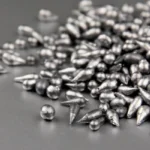
Lead is a highly toxic neurotoxin that can lead to many diseases, especially in small children and pregnant women. The consequences of exposure even at low doses, in children and their parents, can be irreversible in terms of brain, behavioural and developmental dysfunction. Adults who are exposed to lead experience cardiovascular problems such as elevated blood pressure and high blood pressure, and have deficient kidneys.
Exposure for too long can cause serious side effects, from intellectual disability in children to pregnancy complications. And it’s even caused anemia, weakened bones and kidney failure. Amid these health hazards, you should be informed about lead (Pb) contamination of drinking water and how to avoid it.
History of Lead in Plumbing

Leaking Plumbing goes back at least to Roman times when water was transported throughout the empire by lead pipes. By the 20th century, lead was everywhere – in service lines, in the conduit that ran from mains to dwellings, in solder that joined copper pipes. The malleability, hardness and anti-corrosion qualities of lead also drew people in.
But by the end of the 20th century, the perils of lead became increasingly clear, and lead in new pipes was almost completely abandoned. But old lead plumbing continues to be found in many older homes and urban structures, and can still pose a risk of lead in water supplies.
What are the sources of lead contamination that need to be identified?
Lead can enter drinking water when service lines that contain lead corrode, especially where the water has high acidity or low mineral content. The most common sources of lead in drinking water are:
- Lead service lines
- Lead solder used in plumbing
- Brass or chrome-plated brass faucets and fixtures
It’s important to note that homes built before 1986 are more likely to have lead pipes, fixtures, and solder.
How Lead Leaches into Water
When water sits for hours in lead pipes, the lead leaches into the water supply. This can be faster if the water is acidic or mineral-poor. The same is true for hot water, which encourages lead leaching better than cold water.
Chemical and temperature changes can influence the amount of lead leaching into the water. Prevention of corrosion such as pH correction and corrosion inhibitors will reduce the amount of lead leaching.
Regulations and Standards for Lead in Drinking Water
The United States has an Environmental Protection Agency (EPA) regulating the lead concentration in public drinking water under the Safe Drinking Water Act. The official drinking water action level for lead is now 15 parts per billion (ppb).
Recall that the EPA’s action level isn’t a health standard, but is capped at something water systems are able to reasonably control with corrosion. The World Health Organization (WHO) suggests a lead limit of 10 ppb for all countries.
Testing for Lead in Your Home's Water
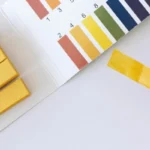
Check your home water for lead if you’re worried about it. You can either get a certified expert to take the samples from home or you can use a home testing kit. If you use a home testing kit, be sure to read the directions carefully so that you get accurate results.
You will know how much lead is in the water coming out of your faucet based on the results. If it is above the EPA action level (15 ppb), you should reduce your lead in water consumption by doing something about it.
How can lead exposure be mitigated at home?
You can do some things at home to avoid the lead hazard. To begin with, if you have lead service lines replace them. This is the most expensive, but it’s the best long-term fix. Other options can lower your risk if replacement is not readily available:
Always cook and make baby formula using cold water since the lead in hot water will be more prone to build-up.
Then run your pipes flush with the cold water tap until your water is as cold as it can be before you drink or cook with any tap water.
Think about getting a lead-free water filter. For best water quality, always clean and replace the filter device according to the manufacturer’s instructions.
Remember that boiled water won’t rid the water of lead contamination, in fact, it will make it worse.
The Process of Lead Pipe Replacement
Lastly, lead service lines replacement is the single most effective way to get rid of lead in water source. But that can be tricky and expensive. The owner must think about how much damage the line will do to their home, as a service line usually passes under the yard, driveway or building.
If you are replacing a lead service line, replace the entire line. Partial replacements will spike the lead concentration briefly, because the pipe is disturbed.
A few cities now have programs that can help homeowners cover the cost and transportation of replacing their lead service lines. Find out if your local town has such an initiative. So if you are looking to change lead pipes, make sure you find a lead service line replacement company who is experienced.
Share this on social media:
Facebook
Twitter
LinkedIn

Related Posts