The Unseen Danger: Understanding the Presence of 2,4-D in Manhattan’s Drinking Water
- Published:
- Updated: January 20, 2025
Listen to this article
Summary
2,4-D, a widely used herbicide, has been detected in Manhattan’s drinking water, posing health risks. Understanding its sources, impact, and how to mitigate contamination is essential for public health and safety.
- 2,4-D is linked to health issues and environmental harm.
- It enters water supplies through agricultural runoff, industrial waste, and residential use.
- Effective regulation, community action, and home water purification methods are crucial for protection.
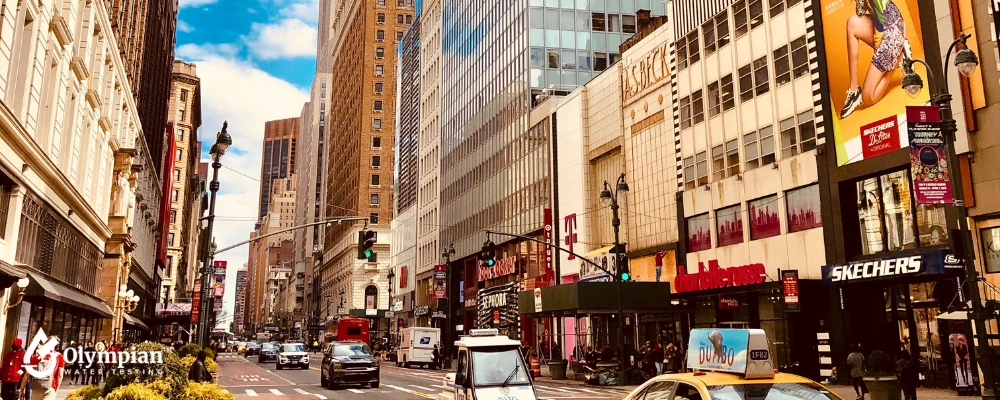
We take a glass of water out of the tap, often with a subconscious faith in its goodness. But new research has challenged the trust many Manhattanites place in their water source, leaving it vulnerable to the herbicide 2,4-D. When the city water system used to be deemed clean, it’s time to close the door and ask ourselves what we’re drinking.
What is 2,4-D and Why Should You Be Concerned?
The most ancient herbicide is 2,4-Dichlorophenoxyacetic acid (or 2,4-D). It was first produced in the 1940s and has since become an indispensable weed killer in the field, lawn and garden. But this ubiquity is not without its price. Those who were exposed to 2,4-D developed several illnesses, from hormonal dysregulation to reproductive disorders and even cancer.
Beyond the personal, the environmental consequences of 2,4-D are scary. It isn’t just toxic to weeds: aquatic life, birds and beneficial insects are all endangered by this herbicide. Once leaching into waterways, 2,4-D sets in motion a chain of ecological harm that can take years, if not decades, to fix. We know what is going on: our own health and the health of our planet are in jeopardy.
The Science Behind 2,4-D Contamination

Plants runoff, industrial effluent, and residential use are all of the ways 2,4-D gets into waterways. When it rains, 2,4-D from the treated fields and lawns flows into municipal watercourses to end up in reservoirs and groundwater aquifers that are used for drinking water. It has been shown that even very low levels of this herbicide are toxic to human health and the environment.
"Allowed concentrations" of 2,4-D in water that government officials report as "acceptable" are not the correct term. Some contaminants are "safe" under federal regulations, but the cumulative and long-term consequences of these so-called safe levels are poorly known. Science increasingly recognises that low-level exposure over the long term is harmful even.
Legislation and Regulation: Are They Doing Enough?
The federal Clean Water Act and Safe Drinking Water Act were aimed at controlling pollutants, such as herbicides like 2,4-D, in public water supply. But it can also be skewed and inadequately enforced and overseen. For instance, while the EPA has set Maximum Contaminant Level Goals (MCLGs) for many chemicals, 2,4-D is generally not closely monitored or reported.
Then there’s New York State, with its own water contamination policies. But as with federal laws, they have their loopholes and enforcement problems too. Worse yet, the legislature hasn’t risen to speed with research into 2,4-D’s health effects, leaving citizens exposed to risks.
Tracking the Source: Where is 2,4-D Coming From?
Farming still contributes the most run-off contamination of 2,4-D, but housing districts are not immune. Lawns and gardens fertilised with 2,4-D-based herbicides can also be contaminated especially in rainy seasons. Furthermore, industrial neighbourhoods producing or handling 2,4-D are part of this growing problem.
For Manhattan, those next to parks, golf courses and farm land are most at risk. Furthermore, the city’s water treatment plants do a pretty decent job of cleaning up most pollutants but aren’t set up for herbicides like 2,4-D. So we need to know the different origins of contamination and get on with it.
Manhattan: A Case Study
In several Manhattan water quality tests, 2,4-D was found to be high. Examples of risk zones are near the Hudson River and parts of Upper Manhattan. The results are troubling not only because they impact on health in the short term, but also because they affect the value of homes and the surrounding community.
Local governments and community groups are now starting to notice. Public warnings, increased monitoring, and specific water treatment are all in the works, but they are just the beginning. This problem requires more radical and sustainable solutions.
The Hidden Costs of Contamination
The 2,4-D in our water has many ramifications outside the individual health concerns. Among these are:
Higher medical expenses owing to higher rates of illness.
Environmental degradation affecting local wildlife
Taxation on cities for better water treatment and monitoring.
Contamination in other words imposes a tax on Manhattanites’ buried treasure, and it doesn’t only hurt our health but our wallets and the natural world we inhabit.
Measures Taken to Counter 2,4-D Pollution in Manhattan
The city has started taking a few measures to curb the 2,4-D contamination. This includes a better water quality monitoring program and the piloting of new water treatment systems that purge herbicides. And there have also been awareness campaigns to inculcate citizens on the need for sensible herbicide use.
But for all this there is still much more that can be done. Tech solutions can go some way to solving the problem, but they can’t do the job of more stringent legislation and public education. It’s a multifaceted problem with a multifaceted solution.
What You Can Do to Protect Yourself
There are a few in-home water filtration systems you can use to avoid the potential for 2,4-D contamination.
Activated Carbon Filters: Capable of absorbing many different contaminants.
Reverse Osmosis Systems: They will flush the herbicides and pesticides.
Distillation Units: They aren’t as prevalent, but these also purify water.
Lifestyle choices such as phasing out 2,4-D herbicides in your yard are also steps to reduce collective risks. You can defend yourself and your people.
The Road Ahead: What Needs to Be Done
It only takes positive policy to fight 2,4-D contamination. Better control of agricultural use of 2,4-D, for example; mandatory herbicide disclosure in municipal water supplies; investment in next-generation water treatment technologies.
But change does not need to be a policymakers’ affair. The effects of public activism — from going to town halls to writing to politicians — could bring these reforms to fruition much sooner. One voice matters more than a single one.
Health Risks and Environmental Impact of 2,4-D
There are some risks with 2,4-D: hormone problems, endocrine dysfunction, and cancer. It also damages aquatic ecosystems, birds and pollinating insects, in a long-term, ecological cycle. Ensuring it is being checked and reduced in the water bodies is important for public health and the environment.
Conclusion: Addressing 2,4-D Contamination in Manhattan's Drinking Water
Conclusion: 2,4-D contamination in Manhattan’s drinking water is hazardous for human and natural health. To address them in the full, there is more regulation, water treatment, and education. In fact, by using the right filters at home and pushing for policies that will make us safer water consumers in Manhattan can stay healthy and have a clean water supply. Active surveillance is required to thwart this invisible menace.
Share this on social media:
Facebook
Twitter
LinkedIn

Related Posts