The Rising Concern of VOCs in Queens’ Water Supply
- Published:
- Updated: December 16, 2024
Listen to this article
Summary
Queens faces concerns over Volatile Organic Compounds (VOCs) in its water supply:
- VOCs, often from industrial sources, pose health risks including respiratory issues and cancer.
- These compounds can persist in water despite treatment processes, raising questions about current filtration methods.
- Both state and federal regulations exist, but some argue they’re outdated and insufficient.

Purity of water is not a matter of taste, it’s about health, wellness, and community. Water quality in Queens is on the burgeoning radar as Volatile Organic Compounds (VOCs) are a problem. These unseen, and sometimes odourless, chemicals are an unseen danger to the Queens and surrounding areas. To know this is the key to saving yourself and fighting for better, healthier water.
The Basics of VOCs
Volatile Organic Compounds or VOCs are organic chemicals that easily evaporate into the atmosphere. In water, they can cause everything from asthma to cancer. VOCs are often natural but most of the time industrial products and human activity cause them, so they are especially troubling in our water supply.
The majority of VOCs aren’t toxic but may have unknown health consequences in the long term. From headaches and dizziness to liver destruction and cancer, the risks are wide. Since water is an integral element of our lives (drinking, cooking, bathing), the risk of VOCs from everywhere is one that needs to be addressed quickly.
The Science Behind VOC Contamination

Drinking Water Contaminated With VOCs From Cars (3).
VOCs can be introduced into water supplies in many ways, but by industrial effluents, illegal dumping and from the air. Because they are volatile, once they are introduced into the watershed, they will persist and propagate. VOCs linger and even grow as water flows through plants, reservoirs and pipes, and can’t be eliminated entirely.
The concentration of VOCs in water can be made even worse by certain environmental conditions. Temperature increase, for example, will make VOCs evaporate faster and increase concentrations in the atmosphere. But, then there are other substances in water – like chlorine – that can combine with VOCs to produce toxic by-products. Knowledge of these interactions is the foundation for effective VOC removal solutions.
New York's Water Treatment Processes
The water is filtered, disinfected and sometimes even UV-treated in New York, Queens and elsewhere. These processes are meant to purge contaminants such as bacteria, algae, and viruses. Yet whether these treatments actually remove VOCs is still under study and under debate.
Even if some VOCs are removed by the usual water treatment systems, it’s not completely. High-tech technologies such as activated carbon filtration and reverse osmosis work but, for both cost and complexity, aren’t used in municipal treatment facilities. And this makes you ask: Are existing treatment systems reducing enough contaminants to keep Queens’ water safe?
State and Federal Regulations on VOCs
The U.S. Environmental Protection Agency (EPA) has established regulations for the concentrations of certain VOCs that can be used in water. These limits aim to protect the public from the health hazards of VOCs that are known. But critics say that these rules are archaic and do not take account of the new science on VOC dangers.
New York state has its own water quality standards. These can be higher than federal regulations in some cases. But the trouble comes with enforcement and monitoring. As VOC exposure can be very harmful, there is an increasing need for more regulation and frequent testing in order to stay compliant.
Local Studies on VOC Levels in Queens
Recent studies of Queens’ water quality turned up some disquieting numbers. VOCs have been measured above the state and federal safety standards in some areas of some neighborhoods. This has made residents’ health issues longer-term, and makes water treatment plans questionable.
VOCs can vary from neighborhood to neighborhood, but we should all remain aware and on the lookout. Affected populations should be made aware of the risks and demand corrective action right away. The shocking results should trigger a revolution in the way we track and treat our water supply.
Case Studies: VOC Contamination Incidents
We can learn from other cities the gravity of VOC contamination. The example of Flint, Michigan is a lesson in the effects of water quality neglect. The lead – the biggest culprit in Flint – was found, but VOCs were also in the water, adding yet more disease to the equation.
Further, events in other U.S. cities and globally remind us that VOC contamination is not a regional but global phenomenon. Benzene in Wilmington, North Carolina, pesticides in Indian villages – there may be differences between the sources, but the hazards are alarmingly similar.
Consumer's Guide: How to Protect Yourself
If you suspect that your water may be contaminated with VOCs, there are several steps you can take for protection.
- Get Your Water Tested: The first step is knowing what you’re up against.
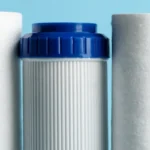
- Choose the Right Filtration System: Options include activated carbon filters, reverse osmosis systems, and distillers.
- Stay Informed: Regularly consult public water quality reports and keep up to date with local news on the subject.
Temporary measures, such as using bottled water for drinking and cooking, can also help reduce immediate exposure. However, these are not long-term solutions and can create other environmental concerns, such as plastic waste.
Community Action and Advocacy
The grass-roots movements have worked in the past to push for changes in water quality rules. Community action — be it public education or working with local government on more detailed testing — can range widely. We as a community can pressure governments to do something right away and restore the water quality.
‘We’ll need to make connections with local groups, scientists and politicians who can bring their knowhow and influence to the table. A mobilised, informed society is much more likely to result in change, both policy and action.
Share this on social media:
Facebook
Twitter
LinkedIn

Related Posts