The Bronx Battles with Chlorine in Drinking Water
- Published:
- Updated: January 20, 2025
Listen to this article
Summary
The Bronx is facing challenges with high chlorine levels in its drinking water:
- Chlorine, used as a disinfectant, can cause health and taste issues when present in excess.
- Recent tests show elevated chlorine levels in the Bronx, surpassing federal limits.
- Health impacts include irritation and respiratory problems, with long-term risks like cancer.

For many years, the Bronx has had a problem with drinking water, and especially high chlorine content. We all know what chlorine is for in water system, it is a disinfectant, helping to remove contaminating microbes so that water can be consumed. But the story becomes worrisome when the chlorine level is so high that it’s both health and taste-wise dangerous for the locals. This has caused local residents and authorities to talk and act, trying to make a balance between water safety and drinking water quality. The struggle is just one chapter in a wider story of cities struggling to manage and keep the pristine water they need.
The Science Behind Chlorinated Water
We normally disinfect our water with chlorine because it kills bacteria and other pathogens. But chlorothane doesn’t come with a silver bullet. The chemical can react with the organic compounds in the water to create toxic byproducts such as trihalomethanes, associated with diseases including cancer.
With chlorine and water together, they form a whole new chemical makeup. Some of these are benign, such as chloramine, others are more dangerous for health. What kind and quantity of by-products are used depends on a few things, such as pH and temperature of the water. This chemical relationship must be recognised in order to evaluate the dangers of chlorine water treatment systems.
Historical Context: Chlorination Through the Ages

Chlorine’s use as a water disinfectant goes back more than 100 years, when it was praised for preventing water-borne diseases such as cholera and typhoid. It was, indeed, essential to boosting public health and increasing lifespan in the early 20th century. But with the development of science, scientists also came to appreciate the environmental and health effects of use too much chlorine, and the debate about its application to water treatment.
There has been an in-between of chlorine being a life saver and a risk. Although it is amazing at killing bad microbes, its environmental impact and health implications cannot be dismissed. Decades of science have led scientists and policymakers to look for something else, or another treatment to achieve a more manageable balance.
Local Data: The Bronx Chlorine Levels
Most recently, tests showed alarming amounts of chlorine in the Bronx’s drinking water. The levels in some neighbourhoods were up to 4 milligrams per litre, nearly twice the safe federal limit. And this is a frightening trend that is not specific to one or two areas but is something that impacts many neighborhoods across the borough.
Worse still, the Bronx’s excess chlorine levels also fall far short of state requirements, which are typically higher than federal ones. This local and national regulation mismatch makes it seem critical that something urgent has to be done, and puts into question the efficacy of the current water treatment system there.
Health Impacts on the Bronx Community
Chlorine in water supplies causes a host of problems. In acute exposures, eyes and skin can be irritated, as well as respiratory illness. Children and elderly citizens are the most vulnerable, who have worsening symptoms such as asthma attack or skin diseases.
In the long term, drinking contaminated water regularly is even worse. Long-term exposure to chlorine by-products was linked to a higher risk of bladder and colon cancer, studies showed. Not only is it physical, but the constant anxiety of water contamination affects residents’ psychological stability and quality of life.
How Local Governments Are Responding
Authorities in the area have already tried several things to tackle the chlorine problem. Recent disinfections such as ozonation and UV are being tried in place of chlorination. Infrastructure is also being replaced, old pipes are being replaced and modern filtration systems are being fitted.
But the way the authorities interact with the public is badly misaligned. This is very, very bad news but the facts are not widely known or open and a lot of people here still don’t know what they are in for. Such action is encouraging, but short of solving the crisis and doubtful of its efficacy.
Voices of the Community: Real Stories from the Bronx
We have to know what’s happening to those in the hardest hit group: the Bronx. There is no one in interviews who understands or even cares about the excess chlorine. Those that are awake are irritated and in powerless, unsure of how to defend themselves and their loved ones.
Beyond the interviews, various grassroots groups are popping up in the Bronx that are trying to push for better, purer water. These local initiatives represent people’s will collectively to do something about this crisis, and are instrumental to larger movements.
Legal Aspects: The Fine Line of Water Quality Regulations
Water quality requirements are federally and stately different, and the compliance is often a minefield. The Bronx’s current chlorine disaster is another example of how it can be difficult to swing back and forth between these different rules when local conditions don’t comply with either federal or state regulations.
Some lawsuits are pending, by activists and local organisations against the municipal water companies. These cases will try to hold those in power responsible for the water quality problems. The prosecutions are critical for enforcement but long in coming, with the residents left exposed to the smog.
Alternatives to Chlorination: What Are the Options?
The solution may be to move away from chlorine water purification. There are many other options like:
UV disinfection: disinfection by ultraviolet light against microbes.
Ozonation: A treatment that mixes water with ozone to kill bacteria and other microorganisms.
Reverse osmosis: Water purified through a membrane to remove impurities from it.
These techniques aren’t without merits, but the price tag is a major hurdle. Bronx could never afford to make drastic financial commitments to upgrade its current infrastructure: it’s a question of money and cost.
How to Protect Yourself: Practical Tips for Bronx Residents
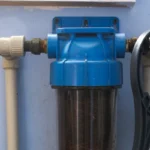
Awareness is the first line of defence. Water filters – that filter chlorine specifically – can go a long way in improving the water we drink. These include everything from activated carbon filters to reverse osmosis systems.
Another crucial protection is regular water testing. There are cheap home-testing kits for checking for all kinds of water contaminants, such as chlorine. By understanding what you’re exposed to, you’re in a position to do something about it — put in certain filters, for example, or push change locally.
Share this on social media:
Facebook
Twitter
LinkedIn

Related Posts