Why Queens Residents Need to Know About Beryllium in Drinking Water
- Published:
- Updated: January 6, 2025
Listen to this article
Summary
Living in Queens offers diverse cultural experiences but also challenges like water quality. Beryllium, a toxic metal, has been found in drinking water, posing health risks. Understanding its presence and effects is crucial.
- The Silent Danger: Beryllium, present in industrial waste, contaminates water.
- The Science Corner: Chronic Beryllium Disease can result from exposure, affecting respiratory health.
- Is the Federal Government Protecting You?: Federal regulations may not suffice; stricter local regulations are necessary.

There is a certain culture mix that comes with living in the vibrant and diverse Queens Borough. But like any community, it has problems of its own, and drinking water is one of them. One problem we’ve recently discovered is Beryllium, a metal that can end up in our water supply. Beryllium is a name we may not be familiar with, but its meaning is absolutely critical to our families’ wellbeing. The mineral when in sufficient concentration in water can be harmful to us.
The Silent Danger: What Is Beryllium?
Beryllium is a lightweight metal that naturally occurs in our environment from soil, rocks and volcanic dust. Hence it is also used extensively in the industries, like in aerospace and telecommunications, because of its superior durability and lightness. Thus, it often runs into sewage waterways, and then in drinking water.
Beryllium contamination in drinking water goes unrecognised in part due to the metal’s many uses from medicine to industry. If beryllium ends up in our waterways, it is public health emergency. You can be more empowered to do something about this deadly metal when it’s present in your water supply, so that it doesn’t put you or your family at unnecessary risk.
The Science Corner: How Beryllium Affects Your Health

Beryllium is a silent sneaker that can infiltrate your body and, of all the illnesses it causes, Chronic Beryllium Disease (CBD), an autoimmune lung disease, is one of the most common. CBD is usually onsets so slow, one does not diagnose it for years and cause irreparable lung damage. It is important to know your respiratory system’s reaction to beryllium to prevent and manage it.
People are at various degrees more or less vulnerable to beryllium, making this a much more complicated matter. Some people are just more susceptible to beryllium’s harmful side effects due to certain genes. This leaves us wondering who will suffer most, which means local actions to reduce beryllium contamination of water must be taken.
Is the Federal Government Protecting You?
The EPA prescribes safe levels of many substances in water supply, such as beryllium. But the EPA’s permissible levels might not be enough to control for local factors, or aggressive enough to avoid long-term health effects. This lands us in a void between the federal mandate and the public interest.
The state rules might be more restrictive than federal, but not always. To the residents of Queens, federal or state regulations may not be enough protection. In view of these health hazards, a case can be made for more local control of beryllium levels in drinking water.
A Local Issue: Beryllium Levels in Queens
Recently, water quality testing has found elevated beryllium in multiple Queens neighbourhoods. The dreadful results have been the subject of community meetings and public announcements from local officials. Yet the efforts to combat this have been, sadly, not quite up to par.
Some of the worst hit communities are in Flushing, Astoria and Jamaica. If you live in one of these neighbourhoods, you need to do something now. Community awareness is a prerequisite to arguing for cleaner water and more controls on beryllium levels to a level that is not dangerous.
What Does This Mean for Your Family?
It is a fact that the long-term persistence of chromium in the soil is an actual problem. Dirty land isn’t just an environmental issue: it’s a tickie.
Children and pregnant women are the most sensitive to beryllium exposure. The risk to children is neurological and learning problems. For the pregnant woman there are possible risks for miscarriage and low birth weight.
And so, too, pet owners. And animals such as humans can also be poisoned by beryllium in water – with all sorts of problems, including digestive issues and, in the most extreme cases, organ failure. In light of these risks, you should never drink water that isn’t filtered for cooking, not to mention for your pets.
ng time bomb for agriculture. Polluted soils can cause heavy metals to accumulate in vegetables and fruits, a direct health threat to the consumer.
And crops grown in chromium soil are not just poorer tasting, they can also be dangerous to eat. This is double trouble for Queens: local agriculture is compromised, and residents might be eating harmful chemicals unknowingly.
A Glass of Risk: Daily Scenarios of Beryllium Exposure
So you might say that the solution is not to drink tap water but the exposure risk is deeper than that. Use contaminated water to cook and put beryllium into your food. Even the steam from a steamy shower may have metal in it, giving you an even second entry point: inhalation.
Showering: Hot steam can have beryllium dust.
Cooking: Boiling won’t kill beryllium; filter water.
Sports and Exercises: Lakes and rivers can be polluted as well.
Be aware of these everyday experiences so you know when to water how much and, most importantly, what exposures to beryllium are risky.
The Counter Argument: Why Some Claim It's Not a Problem
Industry-supported reports maintain that beryllium is virtually unhealthful, and frequently focus on the absence of a clear association with major long-term health effects. They could also remind you that beryllium can be harmful only in jobs where exposures are much higher.
But that picture systematically understates cumulative effects of long-term, low-level exposure to beryllium, particularly among children and the elderly. One must be wary of the data and ask: who benefits from downplaying the dangers of beryllium use?
The Power of Knowledge: How to Test Your Water
If you worry about your water having beryllium, then test it first. DIY kits are also out there but won’t deliver the precision you require on this critical problem. The water testing that professionals conduct is more dependable, and the results are complete, so you know exactly what to do next.
Then there’s the information about your water test results. Once you know how much beryllium is in the solution, then you can determine what filtration system and other mitigation should be applied. If you do this regularly, say every six months or so, you’ll always know your water is quality.
Taking Charge: Ways to Reduce Your Exposure
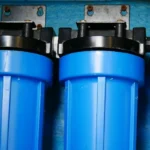
You can dramatically cut down on your exposure to beryllium by purchasing a good water filter. You want to look for filters whose focus is heavy metals and that are approved by the authority. Reverse osmosis and activated carbon filters are sometimes suggested for this.
And it’s safer when you know what to expect when you’re cooking or cleaning. Always cook with filter water and get a shower filter so you are not getting burned by the water. And if you’re a frequent restaurant-goer, avoiding tap water by drinking from a bottled bottle is a small way to limit exposure.
Grassroots Movement: How Queens Residents Can Advocate for Change
Building community awareness begins with the correct information. Community meetings, community flyers, and using social media are all great methods to educate your neighbours about beryllium in water and how to test it.
It is not only awareness that goes into successful lobbying — it is mass action. Reaching out to your local politicians, launching petitions, even going to court are ways you can fight for more regulation and better water treatment systems in Queens.
Share this on social media:
Facebook
Twitter
LinkedIn

Related Posts