Queens and the Chromium Conundrum: An In-depth Look
- Published:
- Updated: November 30, 2024
Listen to this article
Summary
In Queens, New York, the prevalence of chromium pollution poses significant environmental and health challenges. Key points include:
- Chromium’s Versatility: Widely used in various industries, chromium’s persistence in the environment contributes to contamination of air, soil, and water.
- Local Impact: Decades of industrial activity have left Queens with elevated chromium levels, affecting both residents and the environment.
- Community Response: Grassroots organizations are advocating for stricter regulations and raising awareness to address the issue effectively.

The materials that animate our lives get barely noticed in a technologically hyper-modern world. It is not a nasty metal at all: chrome is in everything from cars to cosmetics. Yet its environmental and medical effects have boiled over in places such as Queens, New York.
The Allure of Chromium: More Than Just a Shiny Metal
Not only is chromium an elegant, shiny, steel-gray metal, but it is used in several sectors. Already used for anti-corrosive reasons in the manufacturing of stainless steel, but also for dyes, wood preservatives, and even supplements.
And this ubiquity comes at a cost, to be sure. It’s the same elements that make chromium valuable, but also those that sustain it in the environment. It’s not easily dissolved, so chromium in everyday products tends to end up in the air, soil and water, where it is risky in a widespread and permanent way.
Queens: The Epicenter of a Growing Problem

Queens is an upbeat community residing in the middle of New York City and filled with cultural diversity and booming small business. And it is also, sadly, a place where the Chromium problem has taken centre-stage, with decades of industrial activities so near to houses.
One of the first things to come to mind is why Queens? The answer is in its industrial history. It was a place where manufacturing used to be, but the factories may have gone, but the legacy is toxic. Chromium levels there have become a big source of worry for locals and environmentalists.
A Tale of Two Industries: Manufacturing and Environmentalism
Manufacturing is one of the biggest users of chromium with alloys and specialty metals being produced. It’s waste from these processes, and it’s been wrongly disposed of for decades now, with devastating environmental impacts like Queens.
The environmentalists have then also stepped up in the moment, knowing they had to step in. These groups have been calling for tighter regulations and educating consumers about the health hazards of chromium. They countermeasure in an effort to minimise further environmental damage and protect human welfare.
The Invisible Offender: Chromium in the Air
Chromium from the atmosphere is an especially sneaky kind of pollution. Fine particles are inhaled, and breathing problems and risk of lung cancer are common side effects of exposure. Air quality stations in Queens have routinely read chromium levels far above the federal threshold for health-risk.
Existing laws governing airborne chromium are sadly insufficient. Norms are too frequently antiquated and unresearched, and it exposes communities. These regulations should be rewritten, new regulations based on the most up-to-date scientific evidence.
Poison in the Ground: Soil Contamination
The long-term effects of chromium in soil are a real problem. Contaminated land isn’t only a matter of the environment; it’s also an exploding agriculture time bomb. Substances in toxic soil lead to the accumulation of heavy metals in crops and fruits, and consumers are exposed to these directly.
Plants that grow in soils high in chromium can not only be less nutritious but potentially dangerous to eat. The cost to Queens of this is twofold: local farming is harmed and residents could become unknowingly toxic by eating the wrong things.
The Ripple Effects: Chromium and Waterways
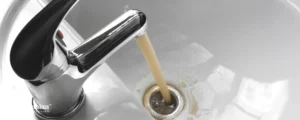
The chromium contamination of freshwater supplies in a water-constrained world is hellish. In many cases, industrial wastewater reaches rivers and lakes where it threatens aquatic life and causes environmental damage for years.
Worse, it’s wrecking marine life. Fish and other aquatic animals take up chromium, and this results in developmental problems, low fertility and higher mortality. And this has ripple effects down the food web: on predators and, in the end, humans who eat these fish.
The Human Cost: Health Impacts and Social Issues
The health implications of chromium exposure in Queens can’t be overstated. Chromium in the air caused asthma, skin and even lung cancer. It’s not a health emergency, it’s a human rights emergency, one thatdisproportionately hits marginalised groups.
And the social consequences are not limited to bodily health. Queens has a "chromium divide" between the wealthy, who can afford to leave the worst-hit neighbourhoods, and the people who can’t. That separation is only further highlighting existing social inequality and it looms long over the future of the community.
Navigating the Minefield: Laws and Regulations
Legislation is the most important nudge in solving the Chromium puzzle. Federal regulations on chromium exposure – particularly for residences – are not strict enough and specific enough to address the problem. Reminders of harsher, scientific criteria have been rebuffed by bureaucratic complacency.
Local laws are varied, a smattering of shields and backdoors. Community groups and activists find themselves lost in a legal system, one where laws are outmoded or unworkable. The call for legislative alignment and stricter regulation is clear.
The Front Lines: Grassroots Movements and Activism
Amid this rising crisis, local organizations in Queens have taken the lead. They have multiple counter-measures against the chromium problem, and these are:
Public Education Drives: Education drives that educate people about the threats and what they can do to safeguard themselves.
Prosecution: Suing polluting companies and lobbying for regulation.
Local Clean-ups: Local cleanups to remove chromium from the area itself.
These institutions are the community’s bloody existence, offering temporary respite and long-term solutions for tackling chromium pollution.
Future Outlook: Solutions and Innovations on the Horizon
The tide is starting to turn though, with improvements in chromium filtering and disposal. Such innovations offer some glimpses of the potential for chromium removal from air and water, and could reshape the clean-up game.
Politics is another hope. Now that we’re more aware of the harms of chromium, the burden on policymakers is on to reform current laws. These two measures, technical and legislative, must work in tandem if any transformation is to take place.
Share this on social media:
Facebook
Twitter
LinkedIn

Related Posts