Cyanide Contamination in Drinking Water: Case Studies and Lessons Learned
- Published:
- Updated: November 29, 2024
Listen to this article
Summary
Cyanide contamination in drinking water poses severe health risks and environmental repercussions. Learn from historical cases, understand testing methods, and explore regulatory gaps to safeguard water quality effectively.
- Historical incidents like the Michigan chemical plant disaster highlight the catastrophic consequences of cyanide contamination.
- Immediate health effects of cyanide exposure range from acute poisoning to long-term neurological issues.
- Testing methods like gas chromatography are crucial for detection, but gaps in monitoring can lead to lapses in safety.

You open a glass of water expecting only purity and refreshment. But what if inside that unassuming glass was something toxic that could be bad for your health or even life? And we’re talking about cyanide, which is a very poisonous chemical that can, in certain circumstances, poison water. Knowing about cyanide contamination, its history, its impacts, and what can be done about it is not just the job of scientists and regulators; it’s our jobs.
The Chemistry of Cyanide
A compound made of carbon and nitrogen is called cyanide. It’s natural, but it can also be an effect of some industrial processes. You don’t want it in your water, first because cyanide can be a toxic chemical, even at trace concentrations. Cyanide typically gets into water because of waste disposal or spills, unlike lead or arsenic that could come from the natural environment.
It is essential to treatment and prevention to know what makes cyanide different from other pollutants. Cyanide is less stable than other contaminants, and it will behave differently in different filters. This means that conventional water treatment might not do a better job of neutralizing cyanide, and so specialized methods must be devised for treating it.
Historical Cases of Cyanide Contamination

In 1973, a chemical plant in Michigan pumped into local waters an untold amount of cyanide. The short-term effects were catastrophic for aquatic organisms, and severe long-term health effects on the populace. This is a gruesome glimpse of what could happen when industrial effluent goes unchecked.
The other case in point was in Asia, where the illegal disposal of industrial waste created widespread cyanide contamination of several rivers. Not only were local communities affected by acute disease, but ecosystems that they used for fishing and horticulture were also destroyed. These cases demonstrate how severe and broad-spectrum cyanide contamination can be.
Immediate Health Effects of Cyanide Exposure
Acute poisoning is the most immediate and extreme effect of exposure to cyanide. By inhaling water laced with high concentrations of cyanide, you’ll experience dizziness, headaches and even death. The clock is ticking for treating cyanide poisoning, and you need to get help right away.
Beyond these obvious physical manifestations, there are other less visible psychiatric effects. Cyanide is also psychoactive in excess, leading to anxiety, mania and other psychological problems. These are a few of the mental health symptoms that are less obvious but can have a huge impact on a person’s life.
Long-Term Impact on Communities
But cyanide exposure doesn’t end with the physical symptoms. There can also be chronic health problems such as chronic brain and organ impairment. Such chronic illness often means continuous treatment, taxing public resources and personal finances.
But the effect is not just physical. An area where water is polluted is economic bleak from job and productivity loss. There’s also the stigma of being a "polluted community," and this impacts a community member’s mental health and prospects.
Testing for Cyanide: How Do We Know It's There?
Cyanide contamination is usually diagnosed by chemical analysis — gas chromatography or mass spectrometry. Such tests are sensitive enough to detect cyanide concentrations, and important for regular water-quality analysis.
Yet some testing has not caught contamination early enough. Failures to detect are often fatal, whether due to inadequate monitoring or test-manufacturing faults. That means rigorous regular testing and continual upgrading of detection technologies.
Government Regulations: Are They Enough?
There are federal limits for cyanide concentration in tap water. Yet enforcement and monitoring of these laws is less than stellar, with the result of insufficient public safety. Regulators have a tight budget and insufficient staff, and their performance suffers.
What’s more, there can be some lag between federal and local laws. Local government can’t afford to have a strong regulatory body in place or it simply isn’t qualified to enforce the standards, and there will be inadequate safety. Such differences underscore the need for consistency in regulations and more effective cross-agency coordination.
Consumer-Driven Solutions: What Can You Do?
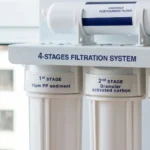
You’re not powerless against water pollution. Filtering systems that get rid of cyanide and other contaminants can work. Look it up and see which one works for you, and consider which contaminants you’re most worried about.
And there can be some major local action that can go a long way. Local gatherings to inform people, campaigning for stronger regulations, and having water tested on a regular basis in your area are things you can do. You have legal rights as well if there is contamination so you have to know what you’re up against.
Lessons Learned from Past Mistakes
Many clean-up projects for cyanide contamination have been started throughout the years. Here are some key takeaways:
Acceptance of Improved Filtration Technologies: Expansion into activated carbon and other sophisticated filters to remove cyanide.
Modifications of Policies: Some states have succeeded in strictening industrial waste disposal laws.
Increased Public Awareness: With the public awareness comes quicker incident reporting and spill containment.
And yet there are some cautionary tales that we shouldn’t take for granted. We need more research and public education to avert future catastrophes.
Share this on social media:
Facebook
Twitter
LinkedIn

Related Posts