Hidden Freshwater Treasures of Mauritius
- Published:
- Updated: November 29, 2024
Listen to this article
Summary
Discover the hidden freshwater treasures of Mauritius with these highlights:
- Grand River South East: Mauritius’ largest river showcases the island’s vibrant ecology and culminates in a breathtaking waterfall.
- Lakes of Curepipe: Remnants of the island’s volcanic past, Trou aux Cerfs and Grand Bassin offer serene vistas and spiritual significance.
- Tamarind Falls: Tucked away in the wilderness, Tamarind Falls mesmerizes with its seven cascading stages and untouched beauty.

Mauritius is an island in the blue of the Indian Ocean, but there is more to it than beaches and natural beauty. Under its surface there are freshwater treasures, to be discovered and enjoyed. From mystical waterfalls that flow over forest floor to untouched underground aquifers, the island’s secret aquifers and springs are both the secret of long-term water security and a window into the island’s fascinating hydrology.
Mauritius: A Brief Overview
There is more to Mauritius, the pearl in the Indian Ocean, than pristine shores and blue seas. This island state is very diverse, from green mountains and plains to coral reefs and beautiful freshwater ecosystems. Mauritius is also rich in cultural heritage and culture aside from the natural beauty of the place.
But Mauritius is not just a coast, and the island of freshwater is rich in treasures to be found. These marine gems, scattered across the island, are specialised ecosystems with diverse biodiversity within them. They make a magical story about nature’s bounty and resilience together.
The Grand River South East: A Bountiful River

It winds magnificently across the land of the island.’ The Grand River South East is Mauritius’ biggest river. It is swarming with life and is bordered by trees, a mesmerising glimpse of the island’s ecologies. Not a river but an elegy for water and land, plants and wildlife.
The river’s flow here comes to a stunning waterfall into the turquoise lagoon below. The falls themselves owe something to the river’s strength and inertia, gnawing at basalt rock as it went along. The Grand River South East really is proof of the age-old grandeur of Mauritius’ freshwater ecosystems.
The Lakes of Curepipe: Crater Lakes with a Story
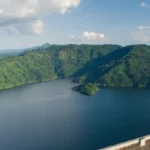
The crater lakes are the sites of an island’s volcanic ignominy, and they sit just outside the town of Curepipe. The two major lakes – Trou aux Cerfs and Grand Bassin – both have a story to tell. Trou aux Cerfs is a lava field, but today there’s a quiet watery crater and a forest full of colour.
Grand Bassin, however, Ganga Talao isn’t just a lake – it’s a religious Hindu centre visited by tourists from around the island and beyond. These crater lakes, full of life, provide a portal into the island’s history and support the spiritual and ecological life of the present.
Tamarind Falls: A Hidden Gem
Tamarind Falls or Sept Cascades is a place in the backcountry, that’s for sure. The waters cascade down seven waterfalls that, as the name suggests, produce a chorus of noise and a vision in itself. This hidden waterfall is a green heaven for the untamed, home to many species of plants and animals.
But even so, Tamarind Falls is one of the most beautiful places in Mauritius. It’s an unmatched mixture of unspoiled splendour, waterfall melodies and biodiversity, a place where you have a chance to experience nature at its purest.
Black River Gorges National Park: A Freshwater Paradise
The island of Mauritius has its own national park – the Black River Gorges National Park – that attests to its ongoing effort to protect its nature and biodiversity. As the park is divided between various rivers, it offers an abundance of freshwater habitat.
In the park’s lush forests, falls such as the Alexandra and Chamarel Falls drop in full beauty. The rivers and waterfalls do more than give pleasure: they are source of life, supporting the park’s lush biotas and a refuge for local wildlife. Black River Gorges National Park shows the depth of Mauritius’ freshwater ecosystems and their biodiversity.
Blue Bay Marine Park: Freshwater Meets the Sea
At Blue Bay Marine Park, freshwater rivers flow into the ocean and form a special landscape inhabited by a plethora of aquatic life. Mangroves where there are many bird species to coral reefs rife with marine colourful life: the park is a biodiverse place. This encounter between freshwater and seawater systems is a great chance to see these disparate ecosystems interconnected.
This is a watery oasis where you can learn about the underwater world and its beauty. A snorkelling or glass-bottom boat tour gives a taste of the marine diversity that inhabits this park. The Blue Bay Marine Park is a beautiful example of how freshwater and saltwater habitats can come together to form an exceptional biodiversity paradise.
What are some effective strategies for conserving freshwater ecosystems in Mauritius?
We can learn a lot from the freshwater gems of Mauritius when we appreciate them and learn to take care of them. These ecosystems harbour numerous species, many of which are island-endemic and essential to the island’s special biota.
The different programmes for preserving these valuable ecosystems range from community-based to state policies. For example:
Creating protected areas like the Black River Gorges National Park to protect habitats.
Establishing conservation programmes to rehabilitate and preserve endemic species and habitats.
Promote eco-tourism and eco-tourism responsible tourism.
It is up to us as tourists to be part of these conservation efforts by adhering to local protocols and making our footprints as small as possible in these fragile ecosystems.
Rochester Falls: Where History Meets Nature
The enigmatical round rocky flank of Rochester Falls is another hidden gem of Mauritius. The falls are full of legend and tradition, the constant water a hushed recorder of the island’s past. The waterfall’s jarring geology – the result of slow erosion of basalt sediment – is an experience to behold.
Rochester Falls is not just a scenic destination but a sanctuary for some local animals and plants. Its vegetation, fed by the fall’s waters, is populated with many species that are endangered, making this an eco-reservoir as well as a biological mecca.
The Importance of Freshwater Conservation in Mauritius
Watershed protection is the key to Mauritius’ unique ecosystems and its biodiversity. It is a matter of laws, public participation and sustainable management to conserve these natural assets. More protected areas, sustainable agriculture, and greater awareness among the public of the significance of freshwater ecosystems are priorities. Mauritius will be better off with these treasures preserved so that its beauty will last and the natural world is healthy.
Conclusion: Embracing Mauritius' Freshwater Wonders
Mauritius’ buried freshwater gems, from the great Grand River South East to the crater lakes and Tamarind Falls, are glimpses into the island’s complex, rich ecosystems. Such freshwater sources are not just rich in local biodiversity, but also cultural and recreational resources. They are essential for sustaining the island’s ecology, so that generations in future can experience and benefit from them.
Share this on social media:
Facebook
Twitter
LinkedIn

Related Posts